It was the Korean Lunar New Year Seollal just a week ago. As the holiday wrapped up, I found myself getting surprisingly nostalgic. It has been about three years since I returned from Japan. Before that, I spent 4.5 years in Japan and 6 years in Australia. Spending the majority of my 20s and early 30s living overseas meant I missed out on many family gatherings.
I have probably changed a lot since I first left Korea about 15 years ago. Now, I am nearly 40 years old, raising a multicultural family. My African wife and I are living in our modern Korean apartment in Hwasung with our little daughter, who was born premature but is growing and doing wonderfully every single day.
Living in a completely different city from Changwon, where I was born and raised, makes me realize how much everything has changed. I am not entirely sure if it is society that has changed entirely, or if my own feelings about major Korean holidays like Seollal and Chuseok have just naturally evolved with age. However, the way I felt about these holidays as a child is vastly different from how I feel now as a father.
If you are an expat living in Korea, you probably view the holidays as a great time to travel or rest.But I would like to share what the Korean Lunar New Year Seollal traditions were actually like when I was a kid. Let me take you in a time machine back to the Korean countryside in the 1990s.
The Excitement Building Up in the Countryside
I grew up in the countryside of Changwon. In the 90s, Korea was developing at breakneck speed. People finally had enough food, so we no longer lived the myth of our grandparents’ generation—where people supposedly climbed mountains to dig up roots for soup just to survive. My mother always told me they made soup back then simply to share a scarce amount of rice among hungry siblings.
The Transformation of the Local “Jumbang” (Store)
As a big holiday approached, the first thing I would notice was the display at the local supermarket. Since I lived in the countryside, there was only one tiny supermarket in town. Usually, the elders gathered there to gossip, share food like steamed corn, sweet potatoes, and rice cakes, or play Hwatu (Korean flower cards).
The store opened depending on the owner’s mood. If the store was closed, we had to drive twenty minutes to the city, which was nothing like the convenience of having massive modern supermarkets such as Easy Buy in Bongdam right around the corner today.
But as the holiday got closer, that tiny supermarket transformed. The owners would display big toys, firecrackers, and toy guns out front—things we usually could not afford on a normal day. The shop owners were smart; they knew that kids would soon be getting Sebaetdon (allowance money) from their relatives.
Starting three or four nights before the holiday, I could hear the sounds of firecrackers echoing and smell gunpowder around town. That was the ultimate signal that the holiday was right around the corner.
Holiday Entertainment Before Smartphones
I was always thrilled as the day approached because I would get to see all my cousins, uncles, and aunties in one place. I am not sure if I would feel that exact same heart-pounding excitement meeting them now, but back then, it was the most anticipated moment of the entire year.
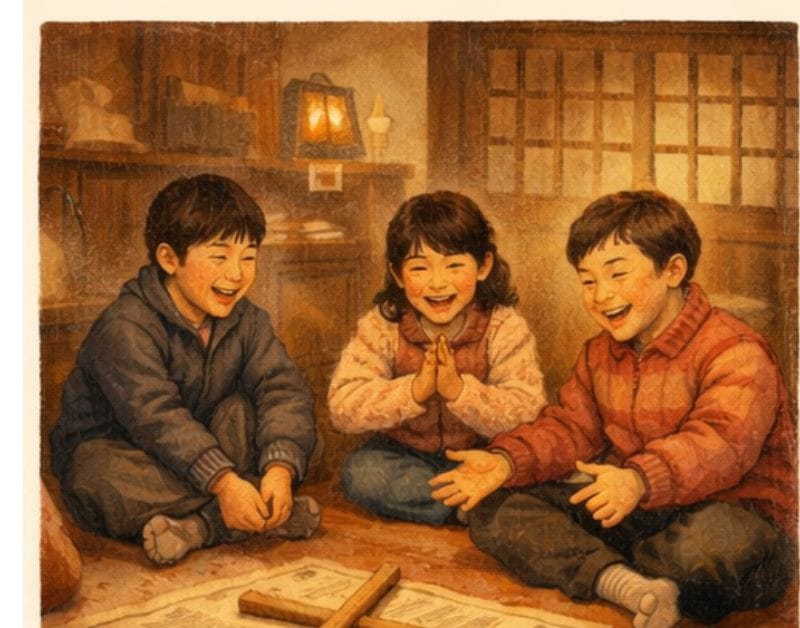
Traditional Games and Late-Night Movies
Just sitting on the floor and talking about school life with my cousins felt incredibly special. Many of the games we played, like Yunnori, are still introduced today by organizations such as the Korea Tourism Organization.
TV networks (KBS, MBC, SBS) also went all out with special holiday programming. They would broadcast popular movies that had just left theaters. Jackie Chan and Jet Li were absolute staples for martial arts films, while action movies like the Terminator series or Sylvester Stallone films were huge late-night hits for the whole family to watch together.

Because we didn’t have smartphones or the internet, the only way to check the TV schedule was through the physical newspaper. Every newspaper had a special multi-page spread strictly for the holiday broadcast schedules, and I would circle the movies I wanted to watch with a pen.
The Pre-Holiday Ritual: New Clothes and the Public Bathhouse
The holidays were also a rare time for parents to open their wallets. Since everyone in the extended family was gathering, kids had a chance to get new clothes or shoes. A week before the holiday, my mom would take me to the market to pick out an outfit.
The Unforgettable Mogyoktang Experience
The absolute last weekend before the holiday was strictly reserved for a trip to the public bathhouse. My cousin, who lived about 30 minutes away by bus, would often visit, and we would head to the bathhouse together.
Being four years older, he always taught me how to do things. We rigorously scrubbed each other’s backs and played in the cold water pool. We tried not to make too much noise because, back in the 90s, older men would freely yell at and discipline any kids who lacked public manners, whether they knew them or not. Parents actually appreciated this, viewing it as the village helping to raise the child.
I deeply miss the smell of the grilled chicken skewers sold right outside the bathhouse entrance. After getting completely scrubbed down, we would grab a classic Korean banana-flavored milk and chicken skewers. It was the absolute best feeling.
The Actual Holiday: Ancestral Rites and Freezing Feet
On the actual public holiday, everyone gathered at my grandfather’s house. The house was not big enough to accommodate everyone, so we would drag large folding tables out of the storage room or garage and set them up wherever there was open space. Seating was strictly based on hierarchy: women had their own table in the kitchen area, kids had theirs in a corner, and the grandparents, uncles, and my father shared the main table.
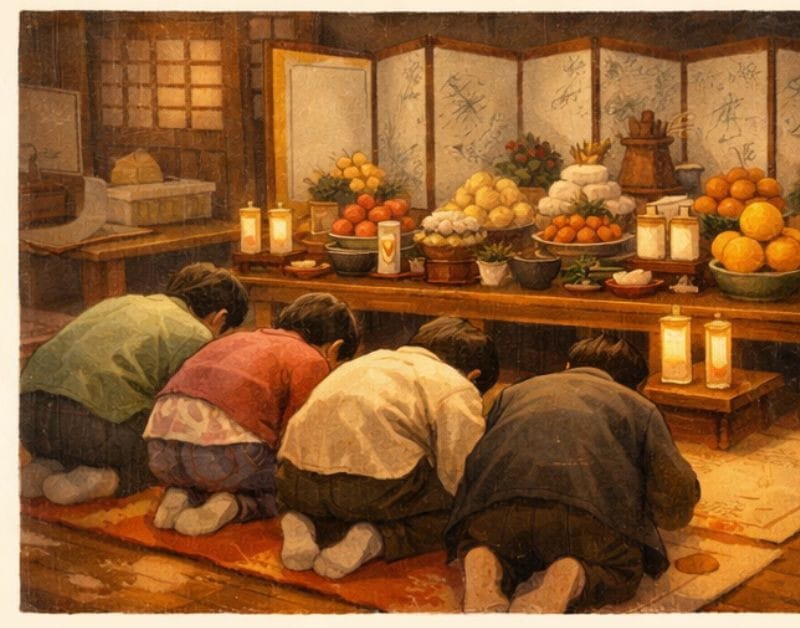
Performing Jesa (Charye) in the Cold
Since Seollal falls in late January or February, it was always freezing cold. Yet, we had to perform the ancestral rites (Jesa or Charye) outside on the maru (porch). The food and folding screens were set up inside the living room, but we left the sliding doors wide open and placed a thin carpet outside on the ground for people to perform the deep bows facing the table.
We believed our ancestors’ spirits visited us on these big holidays, so we prepared food and drinks to serve them. The hardest part was that my feet would be absolutely freezing since we had to bow without shoes. I would wear double or triple layers of socks, but the winter chill always seeped through.
Hiking to the Graves
After the ancestral rites were finished, we went hiking. But it wasn’t just a leisure hike; we were visiting our ancestors’ graves (Seongmyo). We carried leftover ritual food and Soju up the mountain. It was always fun to hike with the family, though some graves were located incredibly deep in the mountains. I often wondered how they ever managed to carry the heavy wooden coffins up there in the past. My father would always boast that he was young and strong back then and could carry anything.

Once the hiking was done, the official events were over. We still had plenty of leftover food to eat together. Some family members had to leave early for a long drive / train / inter city bus back to Seoul or to visit their maternal relatives. It must be very difficult in the past without booking the train seats conveniently online like today. They never left empty-handed; my grandmother always packed food for them in black plastic bags. As the sound of firecrackers faded around the neighborhood, the holiday came to a quiet end.
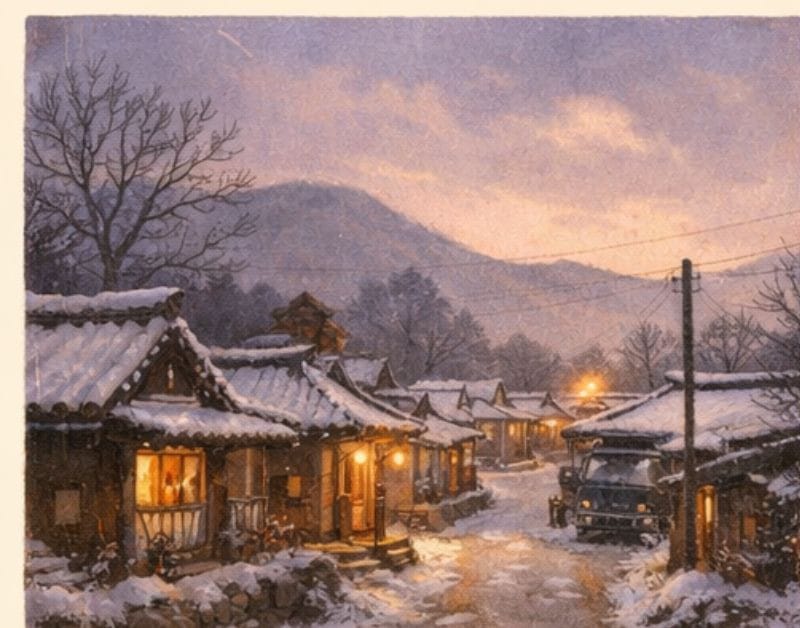
Looking to the Future
Today, I have two nieces and nephews from my two sisters. The size of our family gatherings has gotten much smaller. We no longer perform elaborate ancestral rites, and we no longer hike to the graves in the mountains. My parents simply say we should just go with the flow and follow modern trends to make it easier for the younger generation. I am now the adult handing out allowance money, rather than the excited kid receiving it. It is the exact same holiday on the calendar, but it feels like a completely different day.
However, a big holiday always reminds you of your family first. That sentiment remains completely unchanged. I wonder how my daughter will feel about Seollal and Chuseok as she grows up in a modern, multicultural household. Seeing her grow makes me hope she experiences the same deep sense of family connection that we feel during the warm, meat-filled gatherings we enjoy at authentic South African spots like Braai Republic with my wife’s family.
If you were in Korea during the recent holiday, I hope you had a wonderful time resting and thought warmly of your family back home. I also hope you are actively creating your own new holiday traditions here in Korea with the friends and chosen family you have made.
Frequently Asked Questions (FAQ)
1. Do Koreans still perform ancestral rites on Seollal today? While many families still observe Charye (ancestral rites), a growing number of modern Korean families are choosing to simplify the process, order pre-made food, or skip the rites entirely to reduce holiday stress.
2. What traditional food is eaten during the Korean Lunar New Year? The most important dish is Tteokguk (rice cake soup). Eating a bowl of this clear broth with sliced rice cakes symbolizes gaining one year of age and starting the year with a clean, pure mind.
3. What is the allowance money given to kids called? It is called Sebaetdon. Children perform a deep formal bow called Sebae to their elders, wishing them health and good fortune, and in return, they receive crisp bills in envelopes.
4. Are shops closed during Seollal? In the 1990s, almost everything closed. Today, while many small family-owned businesses close, large supermarkets, convenience stores, and cinemas often remain open, making it a popular time for modern families to go out and relax.
Learn survival Korean
Speak enough Korean to handle daily life
1:1 online Korean lessons focused on practical, real-life situations — not textbook grammar. Book a session with a native Korean speaker who understands expat life.
Book a Korean lesson →