Everything was packed and ready to go. My work colleague had agreed to lend me the company’s Porter truck for the day after I’d sorted the rental contract on our new jeonse apartment in Hwaseong, and I was feeling quietly pleased with myself. Then my phone rang. It was my mother.
“You can’t move on that day,” she said. “It’s not a 손 없는 날 (son eopneun nal) — a day without evil spirits.”
I’d heard the term a handful of times growing up in Korea, but had never paid it any attention. I’d spent years living abroad and, frankly, I don’t believe in superstitions. My mother, on the other hand, claims she doesn’t believe in them either — but you wouldn’t know it from how she behaves. That phone call introduced me to one of the more colourful layers of moving culture in Korea, and the Son Eopneun Nal moving superstition turned out to have a very real impact — not on my luck, but on my wallet.
📌 Quick Summary:
Moving in Korea is never just about boxes and trucks. This post covers the cultural tradition of Son Eopneun Nal (auspicious moving dates), how I pulled off a DIY move by borrowing a work truck, how we cut costs on appliances and internet through smart bundling, and why new house syndrome cleaning is worth taking seriously when you move into a brand-new apartment.
What Is Son Eopneun Nal — and Why Does It Matter?
손 없는 날 (son eopneun nal) literally means “a day without hands” — and those “hands” refer to evil spirits that roam the four cardinal directions on specific days of the lunar calendar. The idea is that these spirits move around daily, harassing people and causing bad luck. On days when the last digit of the lunar date is 9 or 0, the spirits are said to be absent. No spirits, no interference. Perfect for moving.

The tradition has no scientific basis — it’s a folk belief, and the cultural backdrop of Korean daily life is full of these kinds of observances. But “no scientific basis” doesn’t mean it has no real-world consequences. Because so many people still plan their moves around these dates, Son Eopneun Nal days fill up fast — and moving companies charge a premium of 20–30% on those dates. According to moving industry data, a full-pack move for a 1-tonne load that costs around ₩500,000 on a regular day can jump to ₩600,000 on a Son Eopneun Nal date. Book late and that gap widens further. The advice from moving companies is to lock in your booking two to three months ahead if you want one of these dates.
For reference, the 2026 Son Eopneun Nal dates are as follows:
| Month | Auspicious Moving Dates (2026) |
|---|---|
| January | 7, 8, 17, 18, 27, 28 |
| February | 6, 7, 16, 25, 26 |
| March | 7, 8, 17, 18, 27, 28 |
| April | 6, 7, 16, 25, 26 |
| May | 5, 6, 15, 16, 25, 26 |
| June | 4, 5, 14, 23, 24 |
| July | 3, 4, 13, 22, 23 |
| August | 1, 2, 11, 12, 21, 22, 31 |
| September | 1, 10, 19, 20, 29, 30 |
| October | 9, 10, 19, 20, 29, 30 |
| November | 8, 17, 18, 27, 28 |
| December | 7, 8, 17, 18, 27, 28 |
Note that weekend dates often attract an additional surcharge on top of the Son Eopneun Nal premium — so a weekend auspicious date can push costs even higher.

📍 Son Eopneun Nal Cost Comparison
Moving costs by truck size (all prices in ₩10,000 units):
| Load Size | Full Pack (Auspicious) | Half Pack (Auspicious) | Full Pack (Regular) | Half Pack (Regular) |
|---|---|---|---|---|
| 1 tonne | 60 | 40 | 50 | 30 |
| 2.5 tonne | 110 | 90 | 100 | 80 |
| 5 tonne | 150 | 130 | 130 | 110 |
| 6 tonne | 160 | 140 | 150 | 130 |
| 7.5 tonne | 210 | 190 | 190 | 170 |
| 10 tonne | 270 | 230 | 250 | 210 |
Exact pricing varies by schedule, crew size, vehicle type, distance, and booking time. Source: Ajeongtang Moving Industry data.
What I Actually Did — For My Mother’s Peace of Mind
My date didn’t align with Son Eopneun Nal. I wasn’t going to change it. I don’t believe the spirits care when I move, and neither, I’d argue, should anyone else. But here’s the thing — I wasn’t worried about myself. I was worried about my mother worrying about me. There’s a difference.
Moving in Korea and Not Sure Where to Start?
Whether it’s finding auspicious moving dates, understanding Korean tenancy contracts, or sorting out the paperwork for your new place — Jin can help you figure it out.
Ask Jin
So a day before the move, I quietly went over to the new apartment and did what my mother had told me to do for moving on an inauspicious day. I brought red bean (팥, pat) and scattered it in the corners of each room — red bean is believed to carry positive energy that drives out negative spirits. Then I tucked a rice cooker full of rice into a corner of the kitchen — a gesture of respect to the house spirit, asking for prosperity in the new home. The idea is that the spirits think the household has already arrived, so by the actual moving day, everything is spiritually settled. I was muttering the whole time. But I did it. Partly for my mother. Partly because, look — you never know.
💡 Pro Tip:
If you can’t move on a Son Eopneun Nal date and feel uneasy about it, the three traditional remedies are: sprinkle salt at the four corners of the home or at the entrance (to purify the space), scatter red bean or red bean foods throughout the rooms, or place a rice-filled rice cooker in the centre of the kitchen as an offering for good fortune.
DIY Moving Tips Korea: How I Kept the Cost Near Zero
Moving between a furnished officetel — where the washing machine, fridge, TV, and internet were all included — and a jeonse apartment where you bring everything yourself is a bigger logistical jump than it sounds. But we didn’t have a huge amount of stuff, because we’d been living lean. So rather than hire a moving company at all, I asked my then-employer if I could borrow the company’s work Porter truck for one day. They said yes. Total moving vehicle cost: nothing.

Before the move, I did a proper cull of what we owned. I used the 빼기 (ppaegi) large-item disposal service to get rid of an old mattress — you can find out how that works in our waste disposal post. Anything still in decent condition, including a small rice cooker we no longer needed, went onto 당근마켓 (Danggeun Market, literally “Carrot Market”), Korea’s secondhand marketplace app. That old rice cooker sold within a day.
One thing worth knowing if you do hire a company: moving costs in Korea are calculated by volume, not weight. A bulky duvet takes up more space in the truck than a heavy monitor. Bulky but light items — bedding, cushions, bags — are worth transporting yourself in your own car rather than adding them to the quoted load.
DIY Moving Checklist — Things to Sort Before Moving Day
- Identify and dispose of large items early (mattresses, old furniture) via 빼기 or similar services
- Sell anything usable on 당근마켓 to reduce load and recoup some cash
- Transport bulky lightweight items (bedding, cushions) yourself — truck quotes go by volume
- If borrowing a vehicle, confirm insurance and return time with the lender
- Have your new address registered ahead of time if required for utility contracts
Bundling Internet and Phone in Korea: A Simple Way to Save
Moving into the new apartment also meant setting up internet from scratch — something the officetel had handled automatically. My wife had just switched her mobile phone to LG U+, so we bundled the home internet onto the same provider. The discount wasn’t enormous, but for two services we were paying for anyway, it made sense to consolidate. If your household has two or more phones or you’re already with a provider, it’s worth asking directly about a combination discount (결합 할인, gyeolhap hallin) — most of the major carriers offer them.

For appliances, we went a different route entirely — the LG subscription service, which I’ve covered separately in another post. Rather than buy a washing machine and refrigerator outright, we subscribed. It made sense given that we were in a new place and didn’t want to commit large capital to appliances we might not need in the same form a few years down the line.
New House Syndrome Cleaning Korea: Why I Paid Extra for the First Clean
Our new apartment was brand new. First tenants. Nobody had ever lived there before us. That sounds appealing — and it mostly is — but it also means the air inside the building is filled with volatile organic compounds from construction materials: adhesives, paints, sealants, synthetic flooring. In Korea, this is known as 새집 증후군 (saejip jeunghugun) — “new house syndrome” — and it’s a real concern, not just a marketing concept for cleaning companies.

I booked a specialist new house syndrome cleaning service through Soomgo — an app that connects you with local service professionals across dozens of categories. Three cleaners arrived: a Korean team leader and two others who I suspect were Thai, though I didn’t ask. Watching them work, I found myself thinking back to my own time in Australia, when I barely spoke enough English to find any job other than cleaning. I cleaned pubs, schools, gyms, restaurants, dormitories — you name it. Those years taught me that cleaning work is hard, honest, and underappreciated. When the team finished, I tipped them in US dollars — the only small notes I had on me. It felt like the right thing to do.
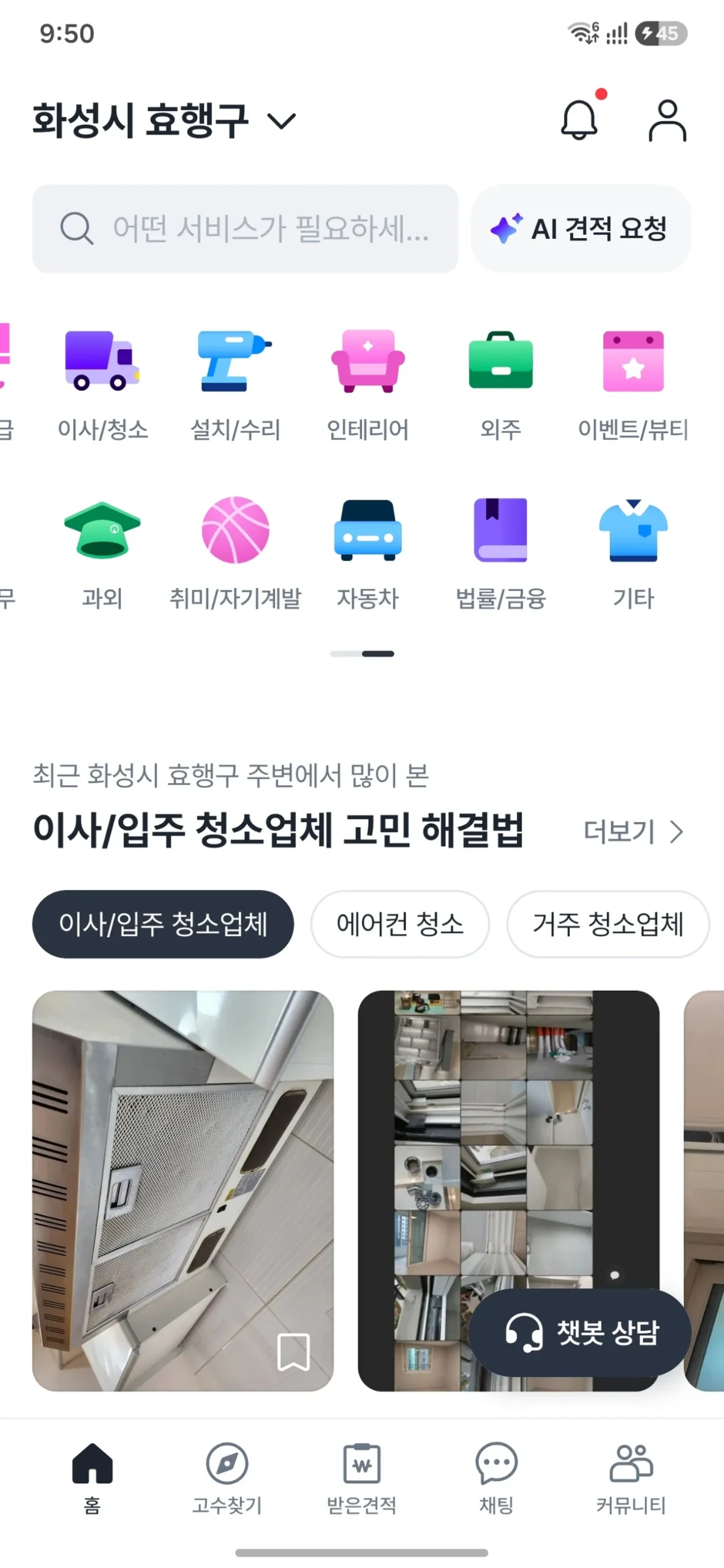
A few things worth knowing about the new house cleaning specifically: the specialist version costs more than a standard post-move clean, and there are different tiers depending on what methods are used. Some services heat the apartment to a high temperature to accelerate the off-gassing of chemicals, then ventilate aggressively. Others use steam or chemical treatments to break down residues on surfaces. The more intensive the process, the higher the cost — and the longer it takes. If you’re moving into a brand-new build, I’d recommend getting at least two or three quotes through Soomgo and asking each provider exactly what their process involves before you commit.
The Soomgo App for Expats in Korea — Beyond Moving
The name “Soomgo” (숨고) comes from 숨어있는 고수 — “hidden masters.” The idea is that there are skilled professionals out there who aren’t easily found through mainstream channels, and this app surfaces them. My cleaning booking was the first time I used it, but it won’t be the last. I’ve since been looking into booking a make-up artist for a family photo shoot — the studio we found doesn’t include a make-up service, so I’m going to find someone through Soomgo for that too.

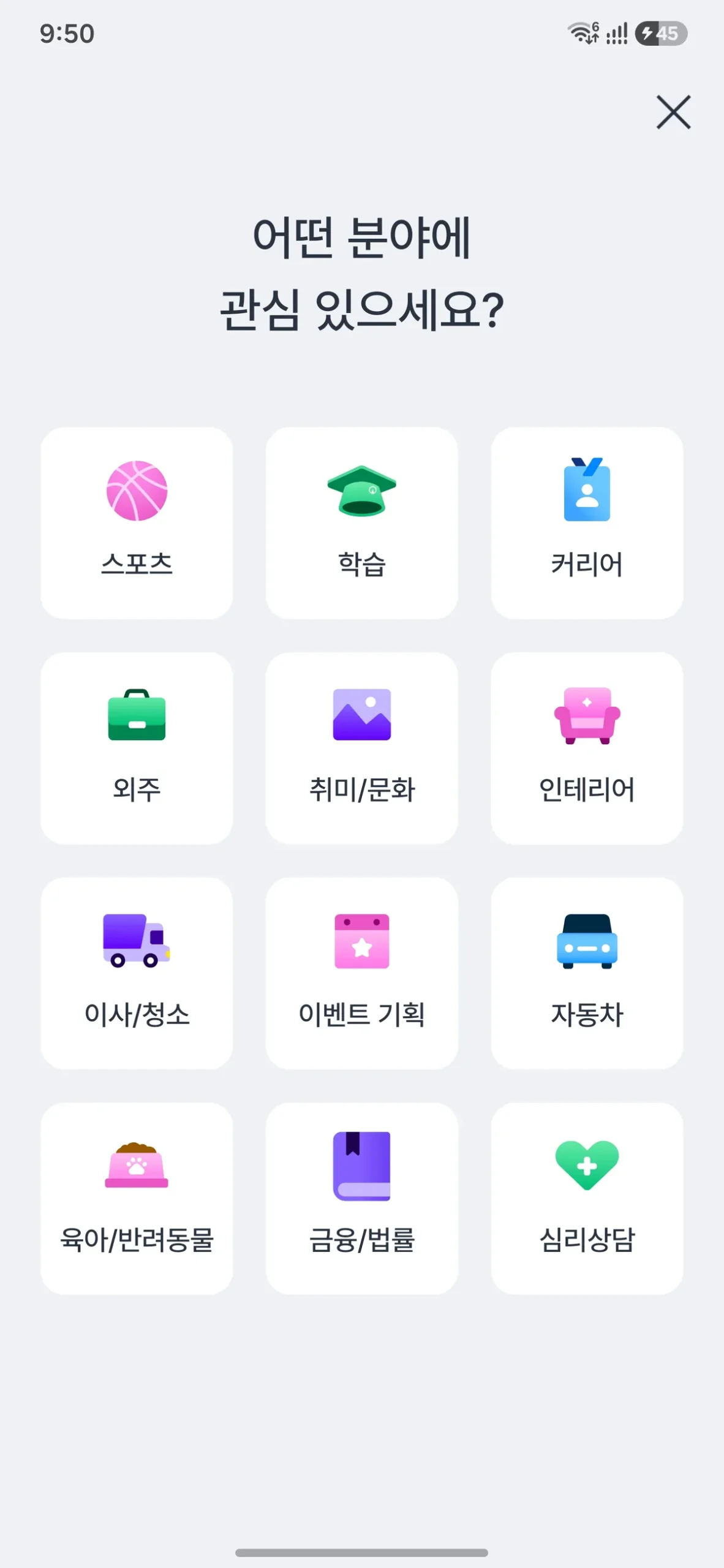
For expats especially, the breadth of services on the platform is genuinely useful. Language tutoring, swimming lessons, pest control, wallpaper installation, AC unit installation — if you need a specialist and don’t know where to start, Soomgo is worth checking first. The interface is in Korean, but most of the request forms are structured enough that you can navigate them with a translation app.
⚠️ Don’t Confuse Son Eopneun Nal with Public Holidays
Son Eopneun Nal dates fall on lunar calendar cycles, not the standard Korean public holiday calendar — so a date that looks clear on your work calendar may still carry a premium because it’s auspicious for moving. Always cross-check before booking a moving company.
Moving is stressful no matter where you do it. In Korea, it comes with a cultural layer that I — someone who grew up here — had essentially forgotten about after years abroad. The Son Eopneun Nal conversation with my mother, the red bean in the corners, the rice cooker planted in the kitchen the night before — none of that was on my original to-do list. But it’s part of the story now. And honestly? The move went fine. Whether that’s because of the spirits, the careful planning, or the borrowed Porter truck, I’ll leave for you to decide.
Frequently Asked Questions
What is Son Eopneun Nal and why does it affect moving costs?
Son Eopneun Nal (손 없는 날) means “a day without evil spirits” in Korean — specifically, days when the last digit of the lunar date is 9 or 0. Because many Koreans prefer to move on these auspicious dates, demand from moving companies spikes significantly. This Son Eopneun Nal moving superstition drives prices up by 20–30% compared to regular days, so a ₩500,000 move can easily cost ₩600,000 or more.
Do I have to move on a Son Eopneun Nal date?
No — there is no obligation to move on a Son Eopneun Nal date. The tradition is a folk belief with no scientific basis, and many people move on regular days without any issue. If you or your family feel uneasy about moving on an inauspicious date, traditional remedies include sprinkling salt at the entrance, scattering red bean (팥) through the rooms, or placing a rice-filled rice cooker in the kitchen as an offering for good fortune.
How far in advance should I book a moving company for a Son Eopneun Nal date?
Industry advice is to book two to three months ahead if you want to secure a specific Son Eopneun Nal date. These dates fill up quickly, and the closer to the date you book, the more expensive the service becomes. Weekend Son Eopneun Nal dates carry an additional surcharge on top of the auspicious day premium.
What is new house syndrome cleaning in Korea?
새집 증후군 (saejip jeunghugun), or “new house syndrome,” refers to the volatile organic compounds released by construction materials — adhesives, paints, sealants, and synthetic flooring — in newly built apartments. Specialist cleaning services address this by using heat, steam, or chemical treatments to accelerate off-gassing and then ventilate the space. It costs more than a standard post-move clean, but is worth considering if you are the first tenant in a brand-new build.
Is the Soomgo app usable by expats who don’t read Korean?
The Soomgo app interface is in Korean, but the request forms are structured and straightforward enough that most users can navigate them with a translation app. The platform connects you with local professionals across a wide range of services — cleaning, tutoring, pest control, AC installation, make-up, and more — making it genuinely useful for expats in Korea who need a specialist but don’t know where to look.
Before you celebrate your move with Son Eopneun Nal traditions, make sure you’ve documented your move-out condition thoroughly—it’s your best defense if your landlord later disputes your 월세 deposit return.