That line — “I’ll return it when the next tenant moves in” — is not a legal reason to delay your deposit. It’s a stalling tactic. And if you’re a foreigner in Korea hearing it for the first time, the instinct is often to accept it, because you assume you don’t know the rules well enough to push back. You do. Korean monthly rent deposit problems are more solvable than most expats realise, and the system is genuinely fair — if you know how to use it.
I’ll say it plainly: you should not give up and hand over your money just because you’re a foreigner. Korea’s rental contracts are relatively short and leave room for negotiation when disputes arise. The landlord is legally obligated to return your 월세 (wol-se) — monthly rent — deposit in full, as long as you haven’t caused damage beyond normal wear and tear. The burden of proof for any deduction sits with them, not you. If they can’t produce receipts or estimates, the deduction is invalid. That’s the law. Now let’s talk about how to actually enforce it.
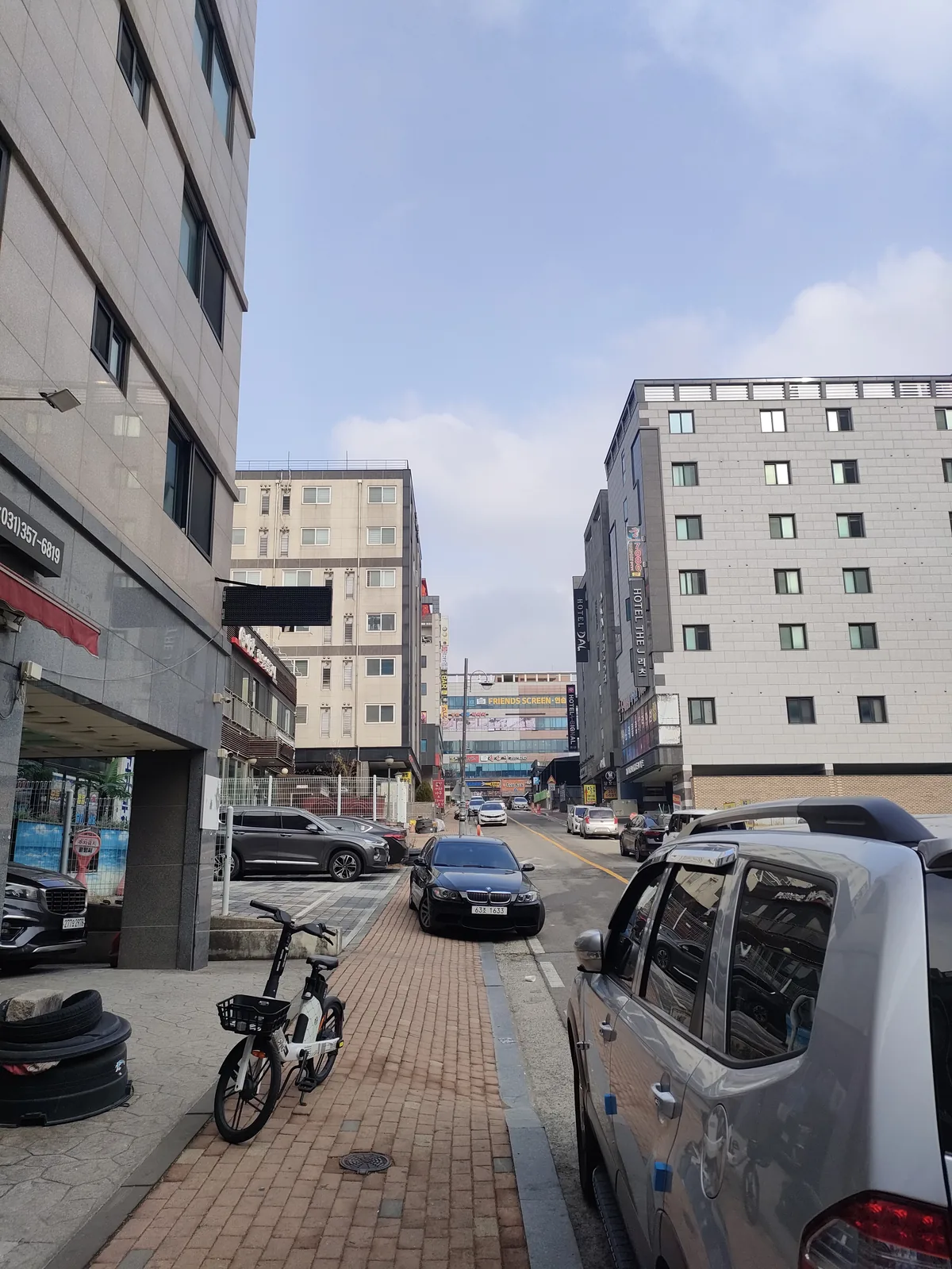
If your Korean landlord refuses to return your 월세 deposit: (1) do NOT change your address or fully vacate until you’ve applied for a leasehold registration order; (2) send certified mail demanding payment; (3) for deposits under 10 million won where your lease has already ended, consider stopping rent and refusing to vacate as leverage; (4) for larger deposits, escalate through payment order and small claims court. Evidence from move-in day is your most powerful asset — full stop.
What to Do First When Your Landlord Refuses to Return Your Deposit
Before anything else, do not change your registered address and do not completely empty the property. This is the single mistake that costs expats their legal footing. Your 대항력 (daehangnyeok) — the right to oppose third-party claims and retain your priority over the property — depends on you maintaining occupancy and your resident registration at that address. The moment you transfer out (전출, jeonchul), that protection dissolves. If you’ve already moved your furniture out, keep some luggage there. It counts.
Once you’ve secured your position, have a direct conversation with your landlord in writing — not by phone. KakaoTalk is fine. You want a record of every exchange: what they claimed, what you responded, and when. If they’re citing cleaning or repair costs, ask them to produce receipts or official estimates. Verbal agreements about deductions are nearly impossible to prove later, and landlords know this. Don’t accept anything without documentation.
At this stage, I’d also strongly recommend revisiting your original lease and understanding your rental contract and legal protections in detail — particularly any 특약 (teugnyak) special provisions that may specify conditions for deductions. If the deduction wasn’t written into the contract, it almost certainly can’t stand.
The Evidence That Actually Wins Deposit Disputes
Evidence of the before-state saves you. I learned this the hard way in Japan — charged for natural mirror scaling, the kind of wear that happens to any mirror over time, simply because I had no photos proving it existed when I moved in. I don’t want you making the same mistake here. That cost me money I didn’t need to lose.
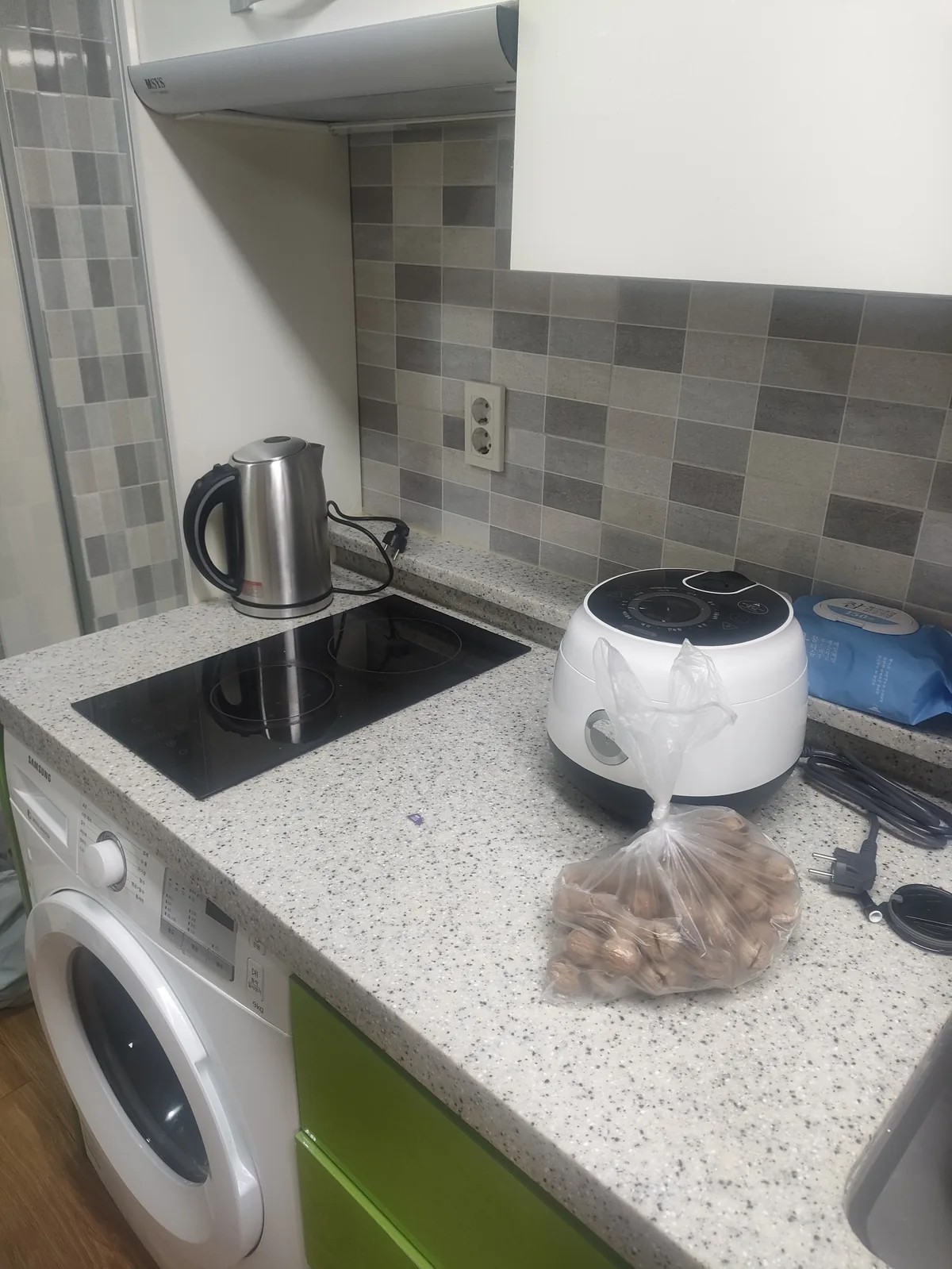
Move-in photos are non-negotiable. Take them on your very first day, from the same angles in every room, and store them somewhere you won’t lose them. Photograph walls, floors, fixtures, appliances — anything that could later be described as “damage.” These photos are your baseline. Everything the landlord claims happened during your tenancy gets measured against them.
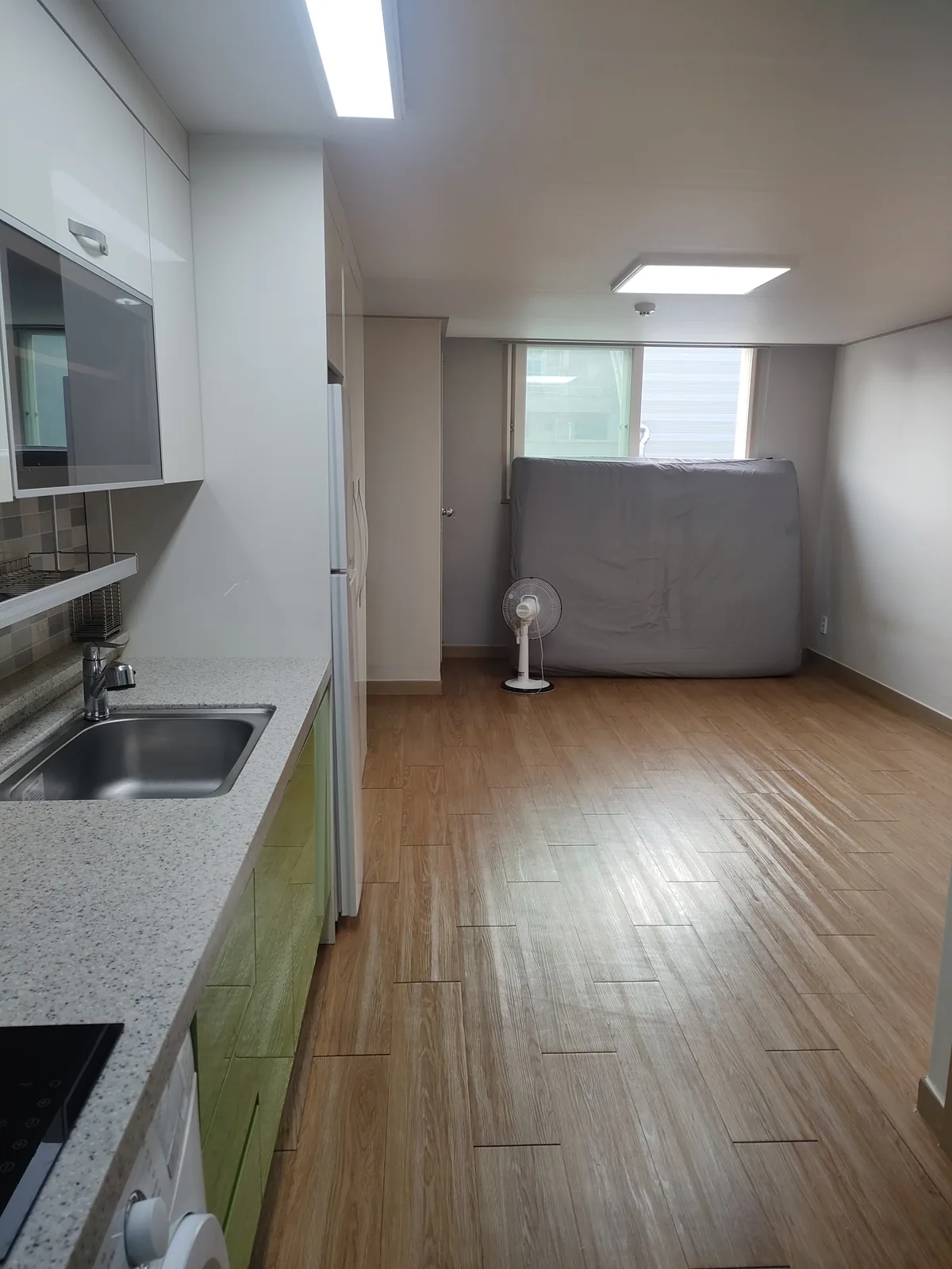
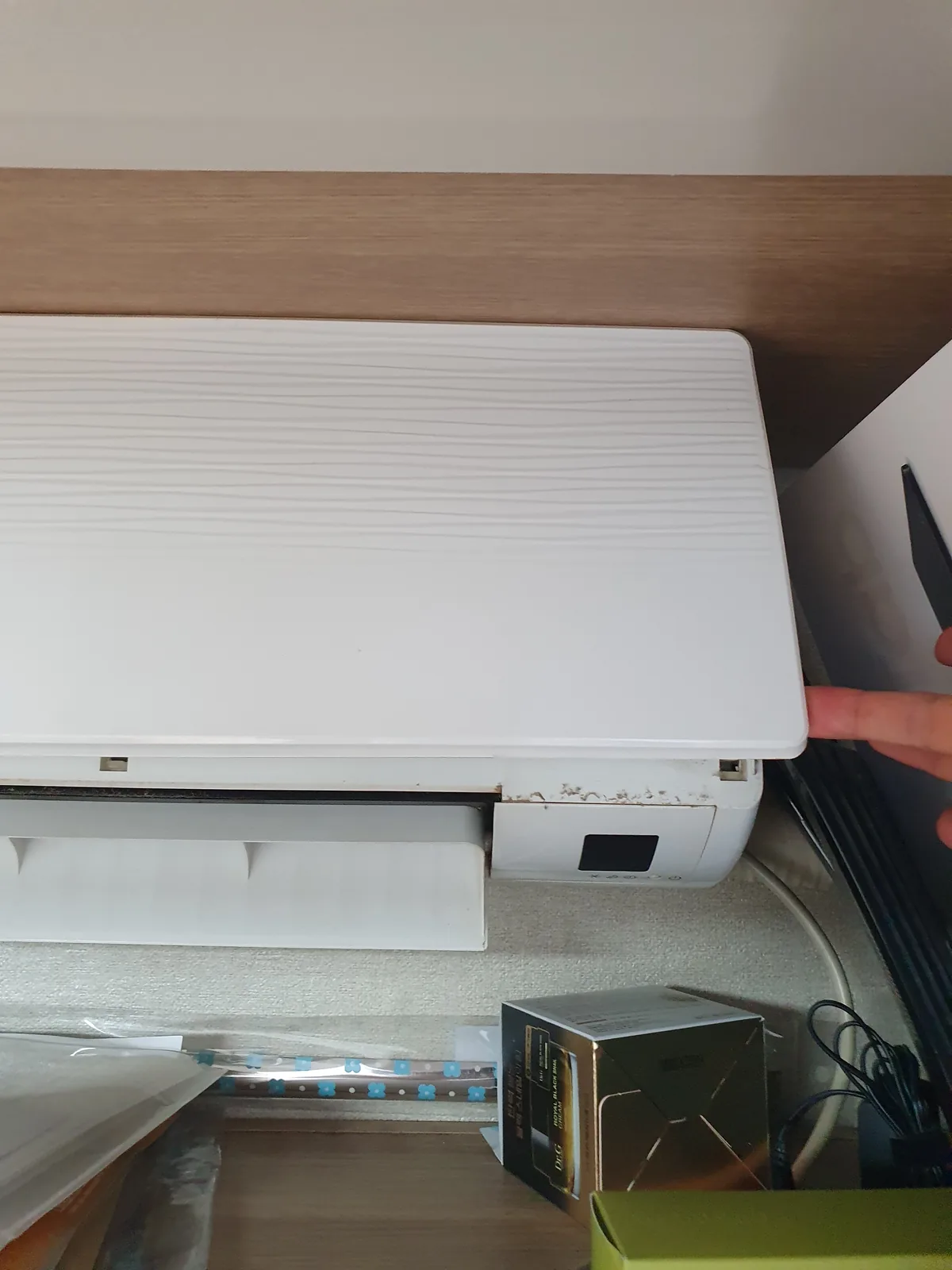
Here’s what that looks like in practice. When I moved into my 월세 officetel, I photographed the entire room from the same angle — kitchen, living area, every corner. I photographed the air conditioner, which already had mould around the vents when I arrived. I photographed every appliance in the condition it was in on day one. None of that was my fault. All of it could have been charged to me if I hadn’t documented it.

That mould on the air conditioner is a perfect example of why you do this. A landlord who wanted to dispute it would need to prove it appeared during my tenancy — and they can’t, because I have a timestamped photo from move-in day. The same logic applies to every pre-existing scratch, stain, or worn fixture in your place.
Worried About Your Deposit in Korea?
If you’re facing a landlord dispute or just want to make sure you’re protected from day one, Jin can help you figure out your next move — in plain English.
Evidence Checklist — Build This From Day One
- Original signed lease contract
- Deposit transfer history (bank records)
- Utility bills — especially if claiming the long-term repair fund back
- Written notice to landlord of your intention to terminate (sent at least 1 month before expiry)
- Move-in photos and move-out photos from the same angles
- Screenshots of all KakaoTalk and text exchanges about deductions or delays
- Record of when you returned the keys and when you removed your belongings
More evidence never hurts. The KakaoTalk records in particular are underestimated — they create a timestamped, uneditable paper trail that courts and mediators find credible. Screenshot everything, even messages that seem unimportant at the time.
One more thing: if you paid a long-term repair fund (장기수선충당금, janggi suseon chungdanggeum) as part of your monthly management fees, that money is legally the landlord’s responsibility — not yours. You can reclaim it on move-out, with utility bills as proof of what you paid. Many expats don’t know this and walk away leaving money on the table.
Can You Move Out? What Actually Happens to Your Rights
This is the question I hear most from expats in this situation, and the answer has an important nuance: yes, you can move your address — but only after you’ve applied for a 임차권 등기명령 (imchagwon deunggi myeongnyeong), a leasehold registration order.
This order, filed through the courts, registers your tenant rights directly onto the property’s official registry. Once it’s recorded, your 대항력 and 우선변제권 (useon byeolje-gwon — priority repayment right) survive even after you’ve transferred your address and stopped living there. You effectively lock in your legal position before you leave. Without it, moving out is a gamble you’re likely to lose.
Drafting the leasehold registration order is genuinely difficult to do alone. Get a 법무사 (beomusa — legal transcriber) or lawyer to help you file it. The cost is manageable and far less than losing the deposit.
⚠️ Don’t Change Your Address First
Transferring your resident registration before your deposit is returned — without a leasehold registration order in place — strips you of your legal protection entirely. Once you’ve lost 대항력, you lose your priority claim if the property is ever auctioned. File the order first, then move.
The Legal Escalation Path — Step by Step
Korea’s escalation process is clear and, for most 월세 deposit amounts, cheaper and faster than expats expect. Here’s how it works in practice.
- 내용증명 (naeyong jeungmyeong) — Certified Mail: This is your first formal move. Send a certified letter through any post office demanding the return of your deposit by a specific date, with the full amount and your account details clearly stated. The post office certifies the contents and delivery — it’s a timestamped, legally recognised demand. Cost: a few thousand won. You need three copies: one for the landlord, one kept at the post office, one for you. The post office stores the record for three years. One timing trap to watch: certified mail only extends your statute of limitations by six months — not indefinitely. You must file a lawsuit within those six months or the extension lapses. Don’t treat certified mail as a pause button.
- 주택임대차분쟁조정위원회 — Housing Lease Dispute Mediation: Before going to court, this free mediation service is worth trying. Access it through the Korea Legal Aid Corporation. For straightforward disputes it can resolve things without any court involvement — if the landlord agrees to participate, you may have your answer in weeks rather than months. No lawyer required, and it costs nothing.
- 지급명령 (jigeum myeongnyeong) — Payment Order: If certified mail and mediation get no response, apply to the court for a payment order. This is a court-issued directive requiring the landlord to pay. If they don’t object within two weeks, it becomes enforceable — you can move to compulsory execution without a full trial. No lawyer required, costs are minimal (stamp duty and service fees only). If the landlord does object, the case automatically escalates to a formal lawsuit.
- 소액사건심판 (soaek sageon simpan) — Small Claims Court: For deposits of 30 million won or less, this is the streamlined court procedure. It typically wraps up in a single hearing, and if you win, you recover the full deposit principal plus approximately 12% annual interest from the date of judgment. You can handle this without a lawyer, though having all your evidence organised helps considerably.
For deposits above 30 million won — or if the landlord is contesting aggressively — you’re looking at a full 보증금 반환소송 (bojeunggeum banhwan sosong — deposit return lawsuit). That’s lawyer territory, and I’d recommend consulting a 법무사 or attorney rather than navigating it alone.
The Smarter Move for Small Deposits
Here’s the piece of advice most guides leave out: for deposits under roughly 10 million won, skipping the courts entirely is often the better strategy. Stop paying rent and refuse to vacate.
Wait — isn’t that risky? No. Here’s why. The landlord withheld your deposit first. That’s the legal breach. Once they’ve done that, they’ve lost the moral and legal high ground needed to evict you for non-payment. They can’t take you to court for not paying rent when they haven’t returned money they legally owe you. The pressure runs both ways — and it runs faster and cheaper than any legal process. In practice, many landlords settle quickly once they realise the tenant isn’t going anywhere.
One critical condition: this only works after your lease term has already ended. If you’re trying to exit mid-contract, the landlord has no legal obligation to return the deposit on your timeline — and stopping rent mid-contract puts you in the wrong. This strategy is for tenants who’ve fulfilled their contract, are at move-out, and are being stalled. If you’re mid-contract and want to leave early, that’s a different situation and you should get legal advice first.
This also only works cleanly if you genuinely haven’t caused damage. If there’s a legitimate dispute about the condition of the property, the calculation changes and you should get legal advice before withholding rent.
How to Prevent This Before It Starts
Preventative measures are worth ten times the effort of a dispute. Before signing any lease in Korea, there are a few things I’d consider non-negotiable.
Get everything in writing in the contract’s 특약 section. Verbal promises about what will and won’t be deducted are worthless in a dispute. If the landlord agrees that normal wear and tear won’t be charged, write it in. If there’s a specific condition in the apartment you want excluded from future claims, note it with photos on move-in day and reference it in the contract.
Finally, if you want a financial safety net, look into deposit guarantee insurance (전세보증금반환보증, jeonse bojeunggeum banhwan bojeung). It’s available for 월세 arrangements too, not just 전세 (jeonse) — the full-deposit rental model many expats incorrectly start with. If the landlord defaults, the guarantee institution pays out your deposit. Conditions apply based on the property’s mortgage situation and deposit-to-value ratio, so check eligibility before signing.
If you’re deciding between rental types in the first place, I’d recommend reading my earlier piece on the 월세 vs. 전세 choice — starting with 월세 and a smaller deposit is almost always safer for new expats, and this guide is exactly why.
And when you’re ready to document your move-out condition properly, treat the photos with the same discipline you used on move-in day. Same angles, same rooms, timestamped. That documentation is what closes the loop on a clean, dispute-free deposit return.
The Korean system is fair. It’s workable. But it only works in your favour if you document from day one, hold your ground when you’re in the right, and understand that your legal leverage as a tenant is real — even as a foreigner. The landlord who withholds your deposit has already made the first illegal move. That puts them on the back foot, not you.
This guide reflects general Korean tenant law principles as of mid-2026 and is intended as practical orientation, not legal advice. For deposits over 10 million won or complex disputes, consult a 법무사 (beomusa) or qualified lawyer.
Frequently Asked Questions
What should I do first if my Korean landlord refuses to return my monthly rent deposit?
Do not change your registered address or completely empty the property. Your legal protections — 대항력 (right to oppose third-party claims) and 우선변제권 (priority repayment right) — depend on you maintaining occupancy and resident registration at that address. Once your position is secure, communicate with your landlord in writing via KakaoTalk or text to create a documented record of every exchange.
Can I move out and change my address if my Korean landlord hasn’t returned my security deposit?
Yes, but only after you’ve filed a 임차권 등기명령 (leasehold registration order) through the courts. This order registers your tenant rights directly onto the property’s official registry, meaning your legal protections survive even after you’ve transferred your address. Without it, moving out strips you of your priority claim — including if the building is ever auctioned. Get a 법무사 (legal transcriber) to help you file it.
What evidence do I need to support a Korean monthly rent deposit claim?
The single most important evidence is move-in photos taken from the same angles in every room on your very first day. Beyond that, keep your original lease, bank records of the deposit transfer, utility bills (for the long-term repair fund claim), written termination notice to your landlord, screenshots of all KakaoTalk and text exchanges, and a record of when you returned keys and removed belongings. More evidence is always better.
What are my legal options if direct negotiation fails?
Korea’s escalation path runs from certified mail (내용증명) — a cheap, post-office-certified demand letter — to free mediation through the Housing Lease Dispute Mediation Committee, then to a court payment order (지급명령), and finally to small claims court (소액사건심판) for deposits of 30 million won or less. For deposits above that threshold, or if the landlord contests aggressively, a full deposit return lawsuit (보증금 반환소송) with legal representation is the appropriate route. For deposits under 10 million won where your lease has already ended, stopping rent and refusing to vacate is often faster and more effective than any court process.