Here’s the honest truth about working in Korea as a foreigner: the legal protections are real, they apply to you regardless of your passport, and — in my experience across multiple countries — they’re stronger than most people assume. What catches foreigners off guard isn’t weak law. It’s not knowing the rules exist, walking into the wrong visa situation, or signing a contract they can’t read. Korean labor law for foreign workers is genuinely robust — but only if you understand what you’re entitled to and advocate for yourself.
📌 Quick Summary:
Korea’s Labor Standards Act and Minimum Wage Act apply equally to all workers on Korean soil — regardless of nationality or visa type. The bigger risks are visa confusion, Korean-only contracts, and not knowing your deduction rights. Get your visa type right, get your contract in your language, and Korea is a genuinely safe place to build a career.
The Law Applies Equally — Full Stop
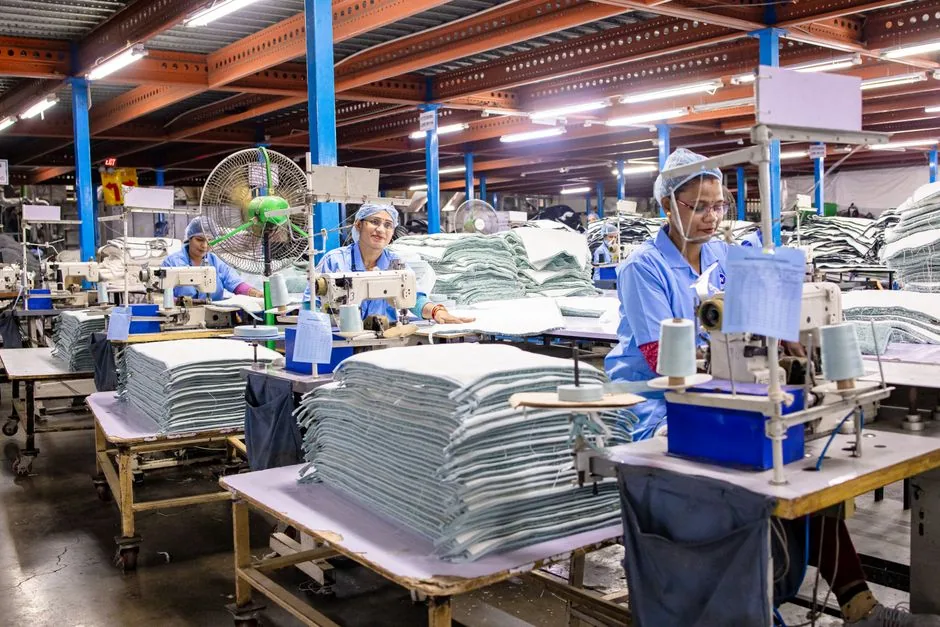
Korea’s labor system runs on a principle called 속지주의 원칙 (sokji-juui wonchik) — the territorial principle. It means that every labor protection under the Labor Standards Act and Minimum Wage Act applies to everyone working within Korean territory, full stop. Your nationality is irrelevant. Your visa type doesn’t change this baseline. Whether you hold an E-9 visa working a manufacturing line in Ansan or an F-6 spouse visa doing office work in Seoul, the minimum wage floor is identical, and the employer cannot legally go below it. According to the Ministry of Employment and Labor, this equal application principle has been consistently upheld across all worker categories.
I’d put it plainly: if an employer won’t pay you minimum wage, report them and find somewhere else. That company will give you trouble eventually anyway. The law is on your side — but you have to know it’s there.
One misconception I hear often is that labor law is a Korean-worker benefit that foreigners can only access in theory. That’s wrong. Foreign workers — including those on restrictive E-9 permits — have successfully filed complaints with labor authorities and received back pay. The system works when you use it. Before you make any move, though, understanding the administrative steps after resigning from a job or changing employers matters enormously depending on your visa type.

Work Visa Types in Korea: They Are Not Interchangeable
This is where I see the most confusion. Foreigners arrive thinking “I have a work visa” as if it’s a single category. It’s not — and the differences between visa types determine almost everything: which industries you can work in, whether you can change jobs freely, and whether your legal right to stay in Korea depends on your employer or your marriage. I can’t emphasize this enough. Know your visa type and know what it allows.
Not Sure Which Visa Type Applies to You?
Visa confusion is one of the biggest risks for foreign workers in Korea. If you’re unsure which category you’re in, what you’re allowed to do, or how your status affects your rights — get clarity before it becomes a problem.
Ask Jin
Here’s a practical breakdown of the main employment visa categories you’ll encounter:
- E-9 (비전문취업 — bi-jeonmun chwieop — Non-professional Employment): The core Employment Permit System visa. You must stay with your employer unless specific exceptions apply (such as the employer closing or withholding wages). Your job and your legal stay are directly linked. Allowed industries include manufacturing, construction, agriculture, and certain services — for manufacturing, generally businesses with fewer than 300 employees, though exceptions exist.
- H-2 (방문취업 — bangmun chwieop — Working Visit): Available to ethnic Koreans from China and six former Soviet nations (including Uzbekistan and Kazakhstan) aged 18 or older. In contrast to E-9, H-2 uses a negative-list approach — you can work in most industries except a designated exclusion list. As of February 2026, new H-2 visas are no longer being issued; existing holders can remain for their current period, but the system is being consolidated into F-4. Always verify your current eligibility through Hi Korea Immigration.
- F-4 (재외동포 — jae-oe dongpo — Overseas Korean): For foreign nationals of Korean descent — typically children or grandchildren of former Korean citizens. Broader job access than H-2, renewable indefinitely, and far more flexible for career movement.
- F-6 (결혼이민 — gyeolhon imin — Marriage Immigrant): If you’re married to a Korean national, this visa is what you’ll likely hold. It’s a fundamentally different situation from E-9 or H-2: your legal right to stay in Korea is determined by your marriage, not your job. You can change employers, take a break, or leave the workforce entirely without losing status. That flexibility is significant, and it’s something many foreign workers discover only after they’ve spent years on a job-locked visa.
- F-5 (영주 — yeongju — Permanent Resident): After meeting residency and qualification requirements, you can apply for permanent residence. At this point you’re treated essentially the same as a Korean national for employment purposes — near-full industry access and freedom of movement between jobs.
The practical stakes here are real. On an E-9 visa, losing your job can mean losing your legal stay. On an F-6, it doesn’t. Understanding the difference before you arrive — or before you change your situation — is foundational.
The Employment Permit System: How EPS Actually Works
The 고용허가제 (go-yong heogaje — Employment Permit System), administered through HRD Korea, is the formal mechanism that brings non-professional foreign workers into Korea under the E-9 visa. It exists because Korean small and medium-sized businesses genuinely can’t fill certain positions domestically — and the government designed a structured, regulated pipeline to address that shortage while protecting local hiring opportunities.
Before an employer can hire through EPS, they must first demonstrate they couldn’t find a Korean worker. This involves posting the position through the government’s official employment portal and waiting for a qualifying period — only after that process fails can the employer proceed with a foreign hire application. It’s a protective mechanism, not bureaucratic overhead.
Once hired, the E-9 visa timeline works as follows: the initial stay is three years. If the same employer requests an extension and the worker qualifies, an additional one year and ten months is added — bringing the first stint to four years and ten months. After that, if the employer qualifies for a re-entry exception, the worker can return home for one month and re-enter for another four years and ten months. The maximum total time a foreign worker can spend in Korea under this system is approximately nine years and eight months (verify current figures against official government sources, as these rules can be updated). It’s a significant commitment for both sides.
💡 Pro Tip:
If you’re unsure whether your employer is using the correct EPS process or whether your job change is legally permitted under your visa, contact a foreign worker support center. They have multilingual translation lines. Don’t guess on legal matters — the consequences of a misstep can affect your entire right to stay.
Minimum Wage and Your Contract: Know Your Rights Before You Sign
Minimum wage in Korea is non-negotiable for any worker, regardless of visa status. Full stop. The figure changes annually — check the current rate on the Ministry of Employment and Labor website — but no employer can legally pay below it, and no contract clause can override it.
The contract itself is where things go wrong for many foreign workers. Here’s what the law requires and what you should insist on:
- Insist on a contract you can actually read. If you’re coming in under the Employment Permit System (E-9 or H-2), the law is explicit: your employer must give you the government standard contract translated into your own language, and skipping it carries a fine of up to 5 million won. For other visa types — F-6 spouse, F-4, or a professional E-7 — there’s no statutory translation requirement, but the principle still holds: never sign a Korean-only document you can’t read. Get it translated, or get someone you trust to walk you through it first. An employer who pressures you to sign something you don’t understand is showing you how they’ll operate later — and that’s true regardless of your visa.
- Wage deductions for housing and meals are allowed — but with strict conditions. Employers can deduct accommodation and food costs from your wages, but only with written consent in your language, and that consent must be renewed every single year. This annual re-confirmation requirement exists specifically because foreign workers may not understand Korean norms or may feel unable to push back. If an employer is deducting these costs without annual written confirmation in a language you understand, that’s a violation.

Two pension points worth real money, and most foreigners miss both. First, the Korean side: if you pay into the national pension (국민연금 — gungmin yeongeum — National Pension) while working here and then leave Korea for good, many nationalities can claim a lump-sum refund (반환일시금 — banhwan ilsigeum — lump-sum refund) of what you contributed plus interest — whether you qualify depends on whether your country has a reciprocity arrangement with Korea, so check before assuming it’s gone. Second, the other direction: if you worked in a country that has a social security treaty with Korea, you may be able to reclaim what you paid there. I did exactly that with both Australia and Japan after moving back — enough to put toward a 전세 (jeonse — lump-sum housing deposit). Don’t leave it on the table either way: dig up your contribution records and follow the official process. And while you’re sorting out money around an employment change, your health insurance options for foreign workers are worth understanding early too.
Red Flags to Know Before You Arrive

Korea is a genuinely good place to work — the labor protections are real, foreign workers who demonstrate ability get recognized on merit, and the structured environment suits people who want clarity about their rights. But the foundation has to be right before anything else matters.
My strongest advice:
- Don’t board the plane without a signed contract. Language barriers and the fear of being stranded without status are real pressures once you arrive. Confirm your employment and visa sponsorship in writing, in advance.
- If a company won’t give you a contract in your language, walk away. This isn’t a minor oversight — it’s a signal about how that employer operates.
- Understand exactly which visa you hold and what it allows. E-9 ties your legal stay to your employer. F-6 doesn’t. F-5 gives you near-parity with Korean nationals. These are not interchangeable situations.
- Make sure you’re working in a secured environment where you’re treated the same as Korean workers. That should be the baseline expectation — and the law backs you on it.
Work hard, treat your team well, and build your skills. Those things are universal. But get the legal foundation right first. Your rights in Korea are genuinely there — make sure you use them.
Frequently Asked Questions
Do foreign workers in Korea get the same minimum wage and labor protections as Korean employees?
Yes — absolutely. Korean labor law for foreign workers is grounded in the territorial principle (속지주의 원칙), which means the Labor Standards Act and Minimum Wage Act apply to every worker on Korean soil regardless of nationality or visa type. If an employer refuses to pay the legal minimum wage, you have the right to file a complaint with the labor authorities — and the system works when you use it.
What are the main visa types for working in Korea, and which one applies to me?
The main employment visa categories are E-9 (non-professional employment under the EPS system), H-2 (working visit for ethnic Koreans — note: no new H-2 visas are being issued as of 2026), F-4 (overseas Korean descendants), F-6 (married to a Korean national), and F-5 (permanent resident). Each has very different rules on which industries you can work in, whether you can change jobs, and how your legal stay is determined. Treating “work visa” as a single category is one of the most common and costly mistakes foreigners make.
Is my employer allowed to deduct housing or meal costs from my wages?
Yes, deductions for accommodation and meals are permitted — but only under strict legal conditions. The employer must obtain your written consent in your own language, and that consent must be re-confirmed every year. If an employer is making these deductions without annual written confirmation in a language you understand, that is a legal violation. Never sign a deduction consent form you cannot read.
How long can I stay and work in Korea under the Employment Permit System (E-9 visa)?
The initial E-9 stay is three years. If your employer requests an extension and you qualify, a further one year and ten months is added — totalling four years and ten months for the first stint. If the re-entry exception applies, you can return home briefly and re-enter for another four years and ten months, bringing the maximum to approximately nine years and eight months. Always verify current figures with official government sources, as these rules can be updated.
What should I do if my employer refuses to provide a contract in my language?
It depends on your visa. For Employment Permit System workers (E-9 and H-2), a translated standard contract is a legal obligation — employers who hand over a Korean-only document face a fine of up to 5 million won. For other visa types (F-6, F-4, E-7), translation isn’t legally mandated, but the rule of thumb is identical: never sign a contract you can’t read. Get it translated, or have someone you trust explain it first. If you’re unsure of your rights or already in a dispute, contact a foreign worker support center in Korea — they offer multilingual assistance so you’re not guessing on legal matters.
If I worked or paid into a pension before, can I get those contributions back?
Often, yes — in two directions. If you pay into Korea’s national pension (국민연금) and later leave Korea permanently, many nationalities can claim a lump-sum refund (반환일시금) of contributions plus interest, depending on whether their country has a reciprocity arrangement with Korea. And if you previously worked in a country that has a social security treaty with Korea, you may be able to reclaim what you paid there. Either can be a substantial amount, so check your eligibility and keep your contribution records — don’t assume the money is gone.