
📌 Quick Summary:
Practical car maintenance in Korea doesn’t require a garage or fluent Korean. It requires knowing two things most expats skip: tire age matters as much as tread depth, and your local 정비소 (jeong-bi-so) — auto repair shop — is more accessible than you think. This guide covers the essentials: the 100-won coin trick, engine oil basics, seasonal tire swaps, and the exact Korean phrases to get help.
I took my second-hand car in for a routine oil change. The mechanic looked at the tires and stopped. He told me they had never been replaced — not once — in ten years. The mileage was only 42,000km, so neither I nor a car-savvy coworker who had checked the car when I bought it had flagged anything. Low mileage, decent tread. We both assumed fine. We were wrong. Getting a grip on car maintenance in Korea is non-negotiable when you’re driving in Korea as an expat — especially outside central Seoul in places like Hwaseong or Pyeongtaek, where a car isn’t a convenience, it’s the only option.
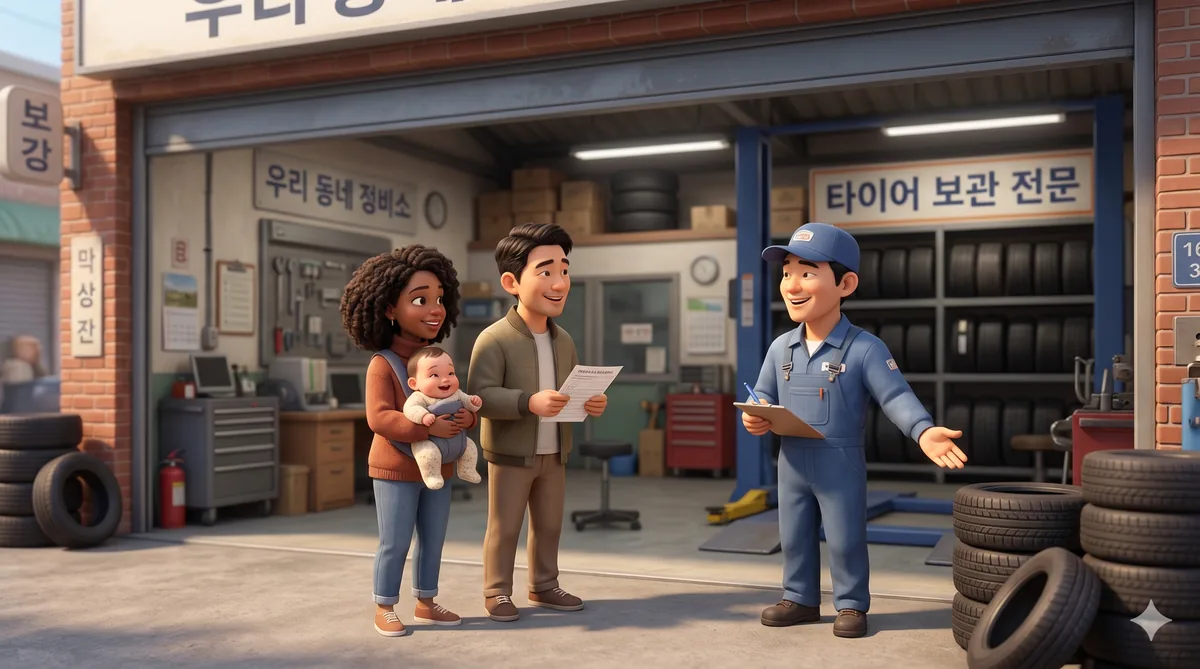
The Mileage Trap: Why Low Numbers Can Still Mean Danger
This is the mistake most expats make when buying a second-hand car in Korea. They check the odometer, see a reasonable number, and assume the tires are proportionally okay. Mileage and tire condition are not the same thing.
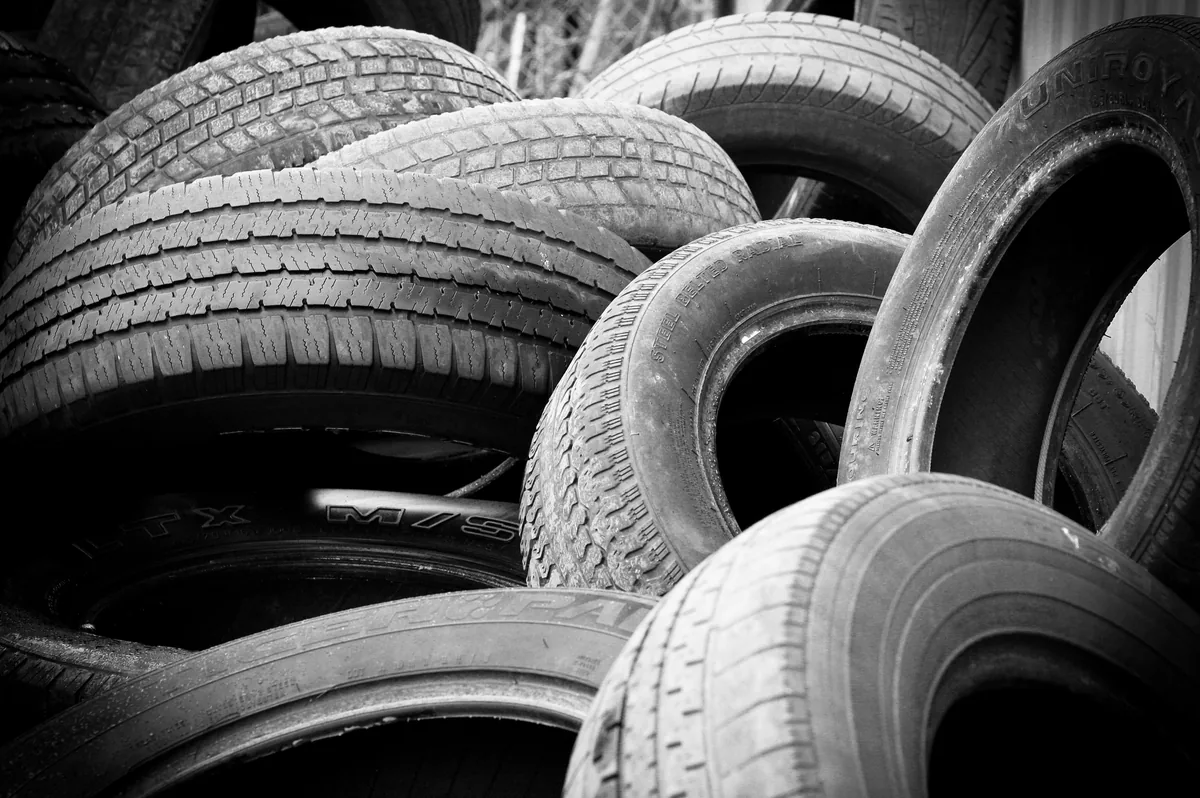
Rubber degrades over time regardless of how much the car is used. Heat, cold, UV exposure, and simple aging create internal structural damage — micro-fractures and weakened sidewalls — that you genuinely cannot see from the outside. A tire can look perfectly fine and still be compromised. According to the Korea Road Traffic Authority (KoROAD), tire condition is one of the leading factors in preventable road incidents in Korea.
The general rule: replace tires every 3–4 years or every 40,000–50,000km, whichever comes first. When buying a second-hand car, ask directly about the tire replacement date — and negotiate the price if they’re old. I didn’t. I paid full price and immediately needed four new tires.
💡 Pro Tip:
Every tire has a DOT code stamped on the sidewall. The last four digits tell you the week and year of manufacture — “2319” means the 23rd week of 2019. Check this before committing to any second-hand car purchase.
The 100-Won Tire Trick (Featuring Admiral Yi Sun-sin)
I heard this on a Korean radio program from an automotive professor, and it genuinely stuck with me. It works because it’s so specific and so local.
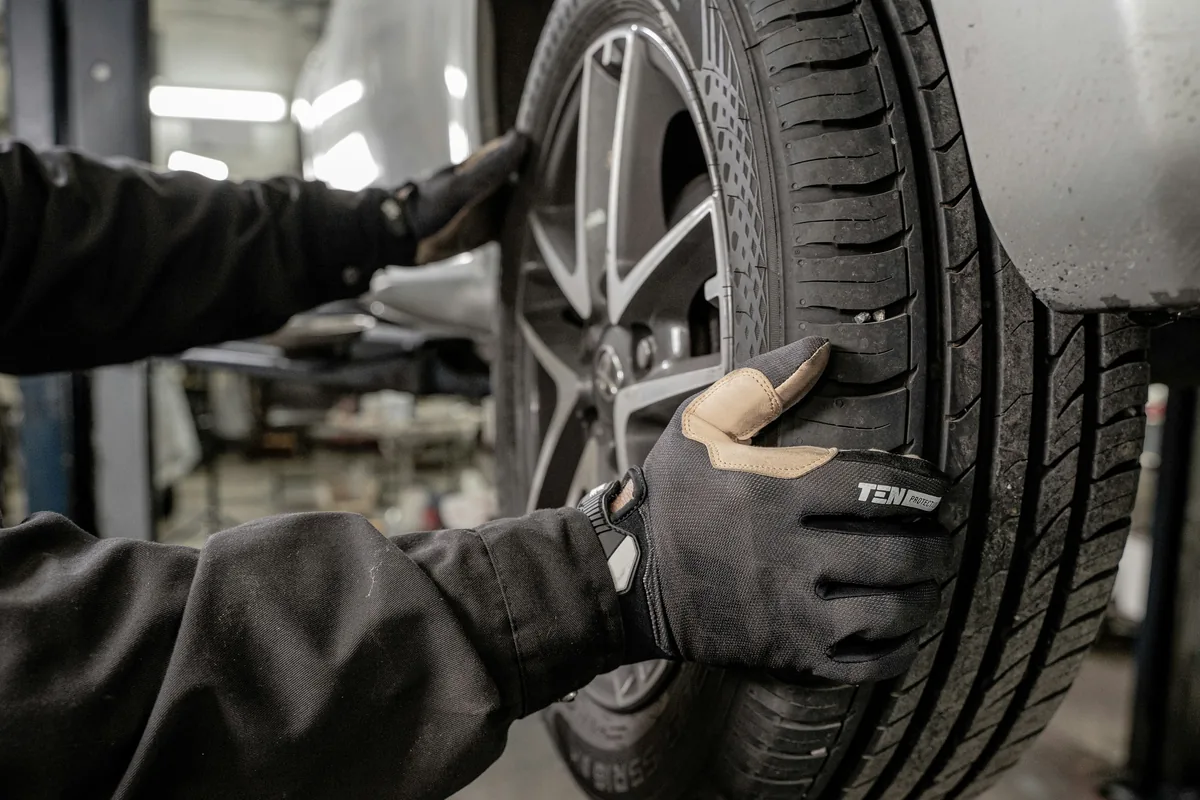
Take a 100-won coin — the one with Admiral Yi Sun-sin (이순신 장군), Korea’s greatest naval hero, on the face. Turn it upside down and insert it into the tire tread groove. Then check:
- If the top of his traditional hat (갓) is hidden: Your tread depth is sufficient. You’re safe.
- If the top of his hat is visible: The tread is worn down too far. Replace the tires.
Admiral Yi once repelled a Japanese naval invasion using tactics nobody saw coming. Now his face on a coin helps keep Korean drivers safe on the road. Keep one in the glovebox and run this check every few months.
Proper tire maintenance becomes non-negotiable during Korea’s winter months, especially given the extreme braking distance increases on slush roads—a danger explored thoroughly in our complete guide to winter driving hazards and safety precautions in Korea.
💡 Pro Tip:
After the coin check, confirm with a professional using the phrase “타이어 마모 상태 좀 봐주세요” (ta-i-eo ma-mo sang-tae jom bwa-ju-se-yo) — “please check the tire wear condition.” Any local 정비소 will do this in thirty seconds.
Seasonal Tires vs. All-Season: What Expats Actually Do
Korea has real winters. Not Australian winters — actual snow, black ice, and temperatures that drop well below freezing, particularly inland from Seoul. My wife, who grew up in South Africa, had never driven in snow before moving here. Her approach to bad road conditions is simple: just don’t drive. Smart, but not always possible. If you want an honest picture of what driving in Korea actually looks like, the road conditions alone make a strong case for taking tire condition seriously.
The professional advice is to swap to winter tires when temperatures consistently drop below 7–10°C. Running summer or all-season tires in the cold hardens the rubber, reduces grip even on dry roads, increases fuel consumption, and destroys the tread faster. With over 25 million registered vehicles on Korean roads according to the Ministry of Land, Infrastructure and Transport (MOLIT), proper seasonal maintenance is not a minor issue.
The practical problem for apartment-dwelling expats: where do you store the off-season set? Most Korean apartments have no private garage storage. Here are your two real options:
- 타이어 보관 (ta-i-eo bo-gwan) — Tire Keeping / Tire Storage Service. Almost all local tire shops offer this for a small seasonal fee. They store your off-season tires until you need them swapped back. Ask at your nearest 정비소 (jeong-bi-so).
- All-season tires — The practical alternative if you want to skip the swap entirely. A compromise in extreme cold, but they eliminate the storage problem. This is what I personally use.
If you can only afford two new tires right now, prioritize the drive axle — the front axle on about 95% of standard cars in Korea. Maximum safety improvement per won spent.
Not sure how to explain what you need at a local Korean tire shop? JustAskJin can help you bridge the language gap before your visit — get in touch here.
Engine Oil Basics: The One Rule You Cannot Skip
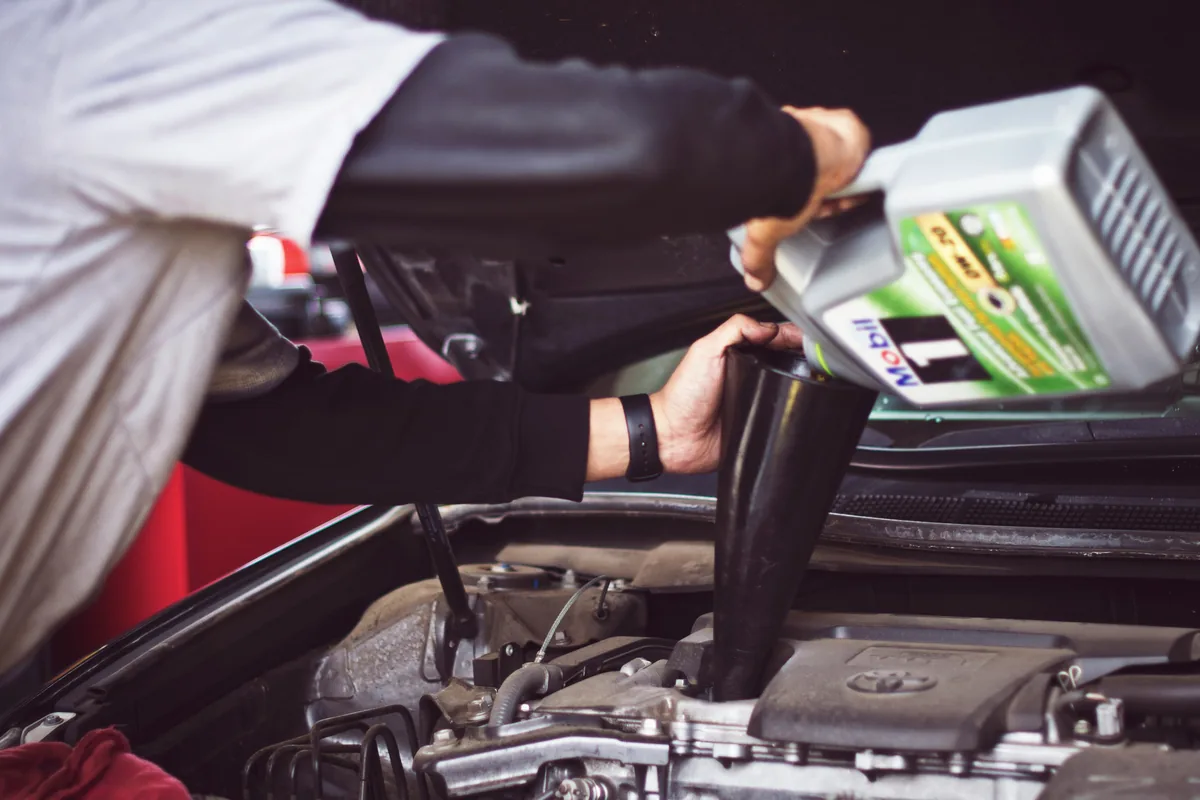
I’ll be honest — I don’t check the dipstick between services as often as I probably should. But there is one rule I never break: oil change every 7,000km, no exceptions. Pick a firm interval and stick to it. That discipline matters more than anything else.
When you do check the oil yourself, follow these steps:
- Park on flat ground — the underground parking of your apartment complex works perfectly.
- Wait 5–10 minutes after turning the engine off. The oil needs to settle back into the pan.
- Pull the dipstick, wipe it clean, reinsert fully, then pull again.
- The oil level should sit slightly above the midpoint between the ‘F’ (Full) and ‘E’ (Empty) marks.
- Rub a small amount between your fingers. Gritty texture means debris has entered the engine — get to a mechanic immediately.
- Milky or cloudy oil indicates a coolant leak. Do not drive the car. Have it towed.
Since our daughter arrived, I also check the car seat is properly secured before every drive. If you have children in the car, keeping your child safe in the car starts well before you turn the key — and a well-maintained engine is part of that foundation.
💡 Pro Tip:
Trust your senses. If your car makes a sound or produces a smell it didn’t make before, treat that as the starting point of a problem — not background noise to ignore. Korean automotive professionals are clear on this: unusual sounds and smells are early warnings, not coincidences.
Korean Mechanic Phrases That Actually Get Results
Most local mechanics outside central Seoul — in Hwaseong, Pyeongtaek, Osan — do not speak English. This isn’t a complaint, it’s just the reality of living outside the expat bubble. Having two or three phrases ready means the difference between getting exactly what you need and standing in the shop hoping someone guesses correctly.
Save these to your phone before your first visit:
- 엔진 오일 확인해 주세요 (en-jin o-il hwa-gin-hae ju-se-yo) — “Please check the engine oil.”
- 타이어 마모 상태 좀 봐주세요 (ta-i-eo ma-mo sang-tae jom bwa-ju-se-yo) — “Please check the tire wear condition.”
- 타이어 보관 서비스 있나요? (ta-i-eo bo-gwan seo-bi-seu in-na-yo?) — “Do you have a tire storage service?”
- Search 정비소 (jeong-bi-so) on Naver Maps to find the nearest auto repair shop to your apartment.
One more thing worth knowing: if you’re buying a second-hand car, a good mechanic can tell more from looking at the tires and pulling the dipstick than from anything on the paperwork. Ask them to check both before you commit.

❓ Frequently Asked Questions
When is the best time to switch from winter to summer tires in Korea?
Switch when temperatures consistently stay between 10–20°C — usually mid-March to April in most parts of Korea. Keeping winter tires on past this point wears down the softer rubber faster and noticeably reduces fuel efficiency. Don’t wait for it to feel warm; the tread is already paying the price before you notice.
How do I use a 100-won coin to check my tire tread depth?
Insert the coin upside down into the tire tread groove with Admiral Yi Sun-sin’s hat pointing inward. If the top of his hat disappears into the groove, your tread depth is safe. If the hat is visible above the groove, the tread is dangerously worn and the tires need replacing. This is one of the most practical car maintenance tips in Korea because the coin is in virtually every Korean wallet.
How does the tire storage service (타이어 보관) work for expats in apartments?
Most local tire shops and repair garages in Korea offer 타이어 보관 (tire keeping) as a standard service. You drop off your off-season tires, pay a small storage fee, and collect them when the season changes. It solves the biggest practical barrier for expats without private garage space. Ask at your nearest 정비소 using the phrase: “타이어 보관 서비스 있나요?”
How do I check engine oil levels correctly?
Park on flat ground and wait 5–10 minutes after switching the engine off. Pull the dipstick, wipe it clean, reinsert, then pull again. The oil should sit slightly above the midpoint between the F and E marks. Gritty oil means debris in the engine — visit a mechanic immediately. Milky or cloudy oil signals a coolant leak — do not drive, have the car towed.
What Korean phrases do I need at a local auto repair shop?
Three phrases cover most situations: “엔진 오일 확인해 주세요” (please check the engine oil), “타이어 마모 상태 좀 봐주세요” (please check tire wear condition), and “타이어 보관 서비스 있나요?” (do you have tire storage?). Save them to your phone before your first visit. Most mechanics outside central Seoul work in Korean only, and these phrases will get you exactly the service you need.
Stuck at the mechanic with no Korean?
Explaining a car problem to a local garage when you don’t speak Korean is genuinely stressful — especially when something sounds or smells wrong and you can’t describe it. JustAskJin can help you communicate the issue, ask the right questions, and make sure you understand what you’re being told before you pay.
Get Help With Your Mechanic Visit