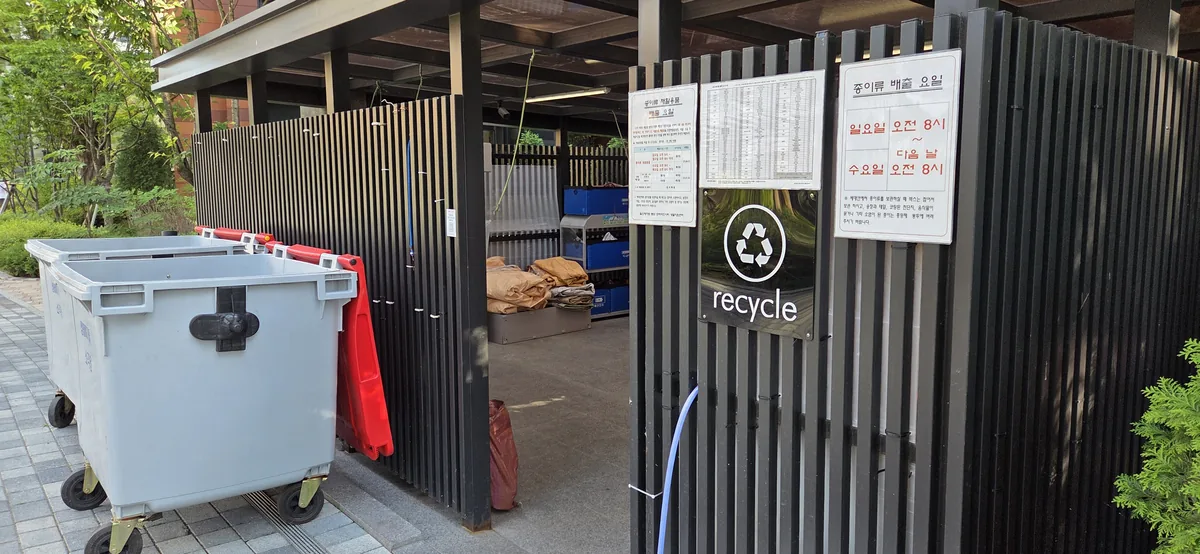
Every time I stand at our apartment’s recycling station in Hwaseong, bags in hand, I run a quiet mental checklist. Is this label off? Is that container clean enough? The waste separation system here never stopped me in my tracks — but it has kept me second-guessing myself, almost every single collection day.
That feeling surprised me. I lived in Tokyo for years, where they also run a 종량제봉투 (jongnyangje bongtu) — paid volume-based waste bag system and strict recycling separation. When I first moved there, my rubbish was rejected more than once. I’d go down to the collection point, see my bag sitting uncollected, and carry it back upstairs to fix the problem. I didn’t want to be the foreigner who ignored the rules. Now I’m back in my own country, in Gyeonggi-do, and that same instinct still drives me. Not because I’m afraid of a fine, but because getting it right matters — for the people doing the work, not just for me.
If you’re an expat trying to decode waste separation in Gyeonggi-do, this guide covers everything: what goes in which bag, how to use the Ppaegi app for bulky items, the recycling rules that catch people out, special waste disposal, and yes — the fines for getting it wrong. Consider it your practical Gyeonggi-do waste separation guide, written from the recycling station up. And if you’re still finding your feet with everyday admin in the region, Gyeonggi Provincial Office resources are a good place to bookmark too.
📌 Quick Summary:
In Gyeonggi-do, general waste goes in paid 종량제봉투 (jongnyangje bongtu) bags bought locally. Recyclables — PET bottles, cardboard, cans — go out separated and clean. Bulky items need the Ppaegi app or a trip to the community center. Special waste (medicine, batteries, oil, fluorescent lights) has dedicated drop-off bins. Fines for getting it wrong can reach 300,000 KRW.
Jongnyangje Bongtu Rules for Foreigners: The Bag System Explained
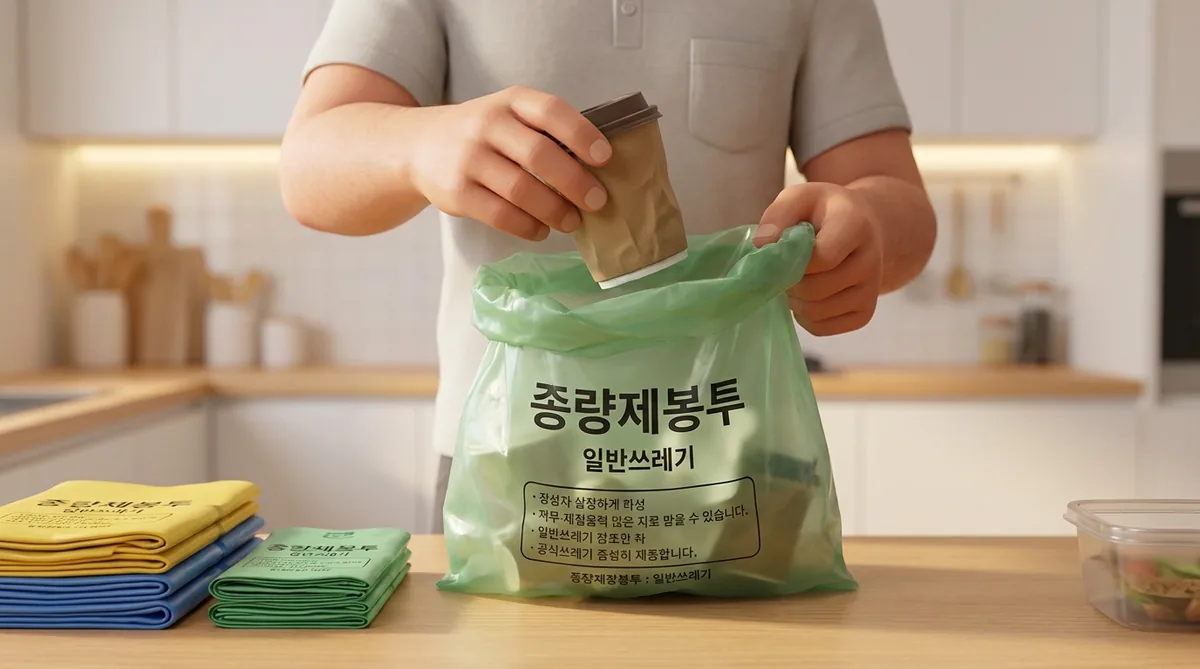
The foundation of Korea’s waste system is simple but strict: you cannot put general household rubbish in just any bag. You must use an official 종량제봉투 (jongnyangje bongtu) — a designated, paid waste bag that is specific to your city or district. In Hwaseong, that means a bag printed with Hwaseong City’s branding. A bag from the next city over won’t be accepted.
You’ll find them at convenience stores (CU, GS25, 7-Eleven), supermarkets, and large marts throughout Hwaseong. They come in multiple sizes — typically 5L, 10L, 20L, 30L, and 50L — and the price scales with the size. For a single person or couple, a box of 10L or 20L bags usually covers daily use. Buy them before you run out; there’s no workaround on collection day.
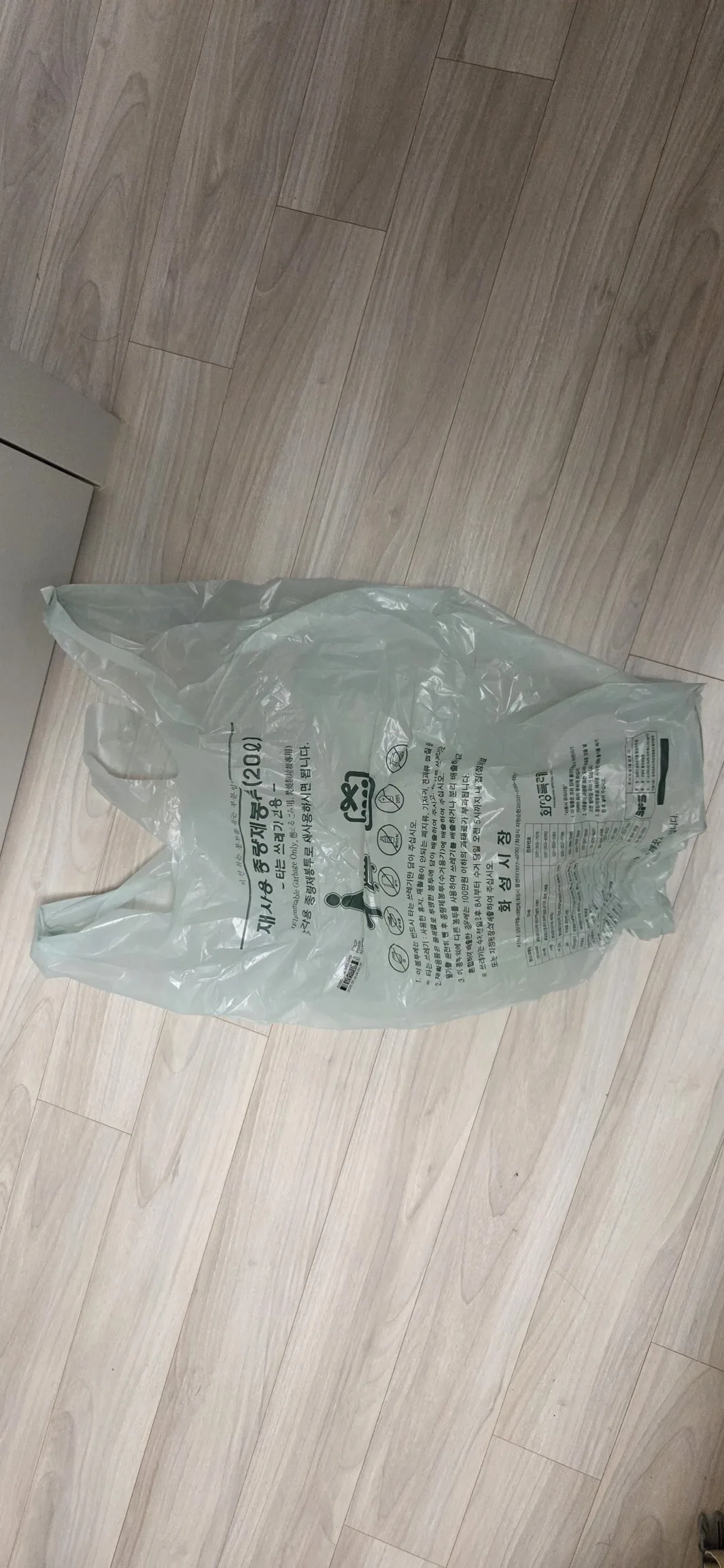
What goes in the bag is just as important as which bag you use. General waste only — not recyclables, not food waste, not hazardous items. Mixing these is where most people get caught. Pottery and ceramic dishes are non-combustible and can’t go in a standard jongnyangje bongtu at all; they need separate disposal. The same goes for rubber gloves, slippers, straws, and CDs — items you might instinctively toss in a general bin, but which don’t belong here. A common misconception worth knowing: plastics and cans must never go into your general waste bag, even if they seem too small to recycle separately. They always go in the recycling stream.
PET Bottle Recycling Korea Rules — and the Cardboard Trap
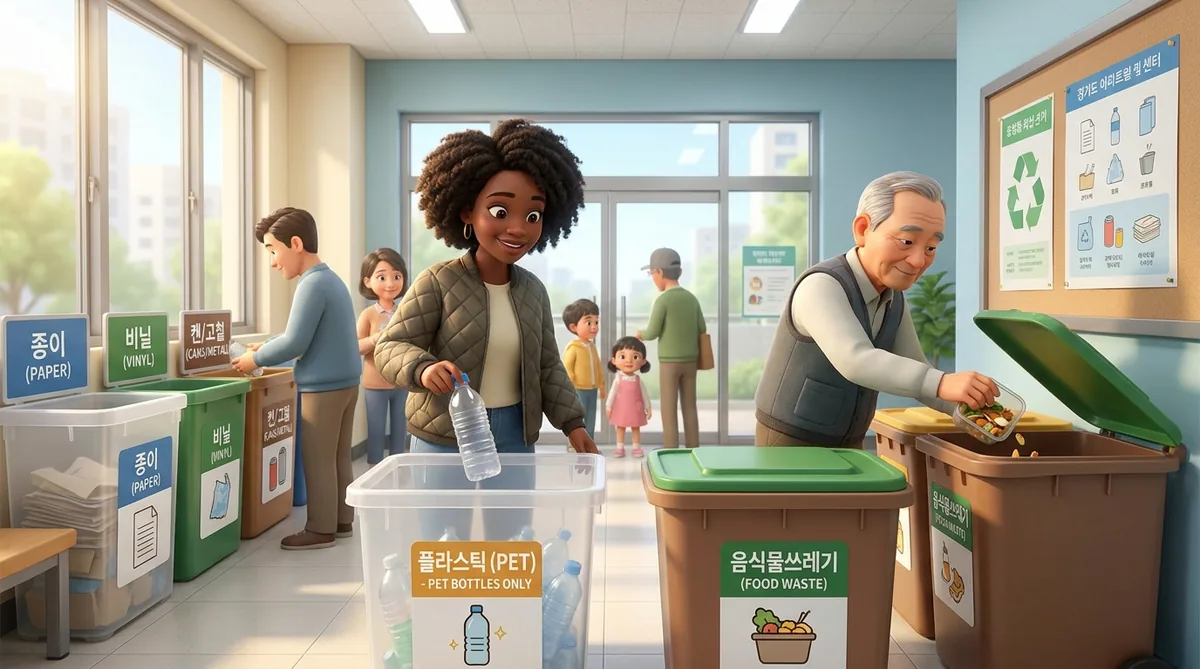
This is exactly where I pause longest. I’m holding a finished water bottle, and I’m running through the checklist: Is the label off? Is the cap separate? Is it actually clean? These aren’t paranoid questions — they’re the right ones.
Got Questions About Daily Life in Korea?
Waste separation, recycling rules, local apps — navigating everyday life in Gyeonggi-do throws up surprises. If you’re stuck on something, Jin can help you figure it out.
Ask JinFor PET bottles, Korea’s recycling rules require you to:
- Empty and rinse the bottle thoroughly — no residue inside.
- Remove the label if it’s made of a different material to the bottle (most shrink-wrap labels are). Peel it off and place it in the plastic recycling stream separately.
- Crush the bottle flat to save space, then replace the cap before putting it out — the cap goes with the bottle, not separately.
- Place in the clear/transparent PET recycling bin, separate from coloured plastics.
Cardboard is where I’ve seen neighbours cut corners — tossing boxes out with address labels and packing tape still on them. The rules say to remove both before recycling. In practice, the collectors won’t necessarily reject a box with tape on it, but it creates extra sorting labour downstream. My approach is simple: the ten seconds it takes me to peel the tape is ten seconds saved by the person doing the actual work. Remove the tape, remove the address label, flatten the box, and tie the stack together.
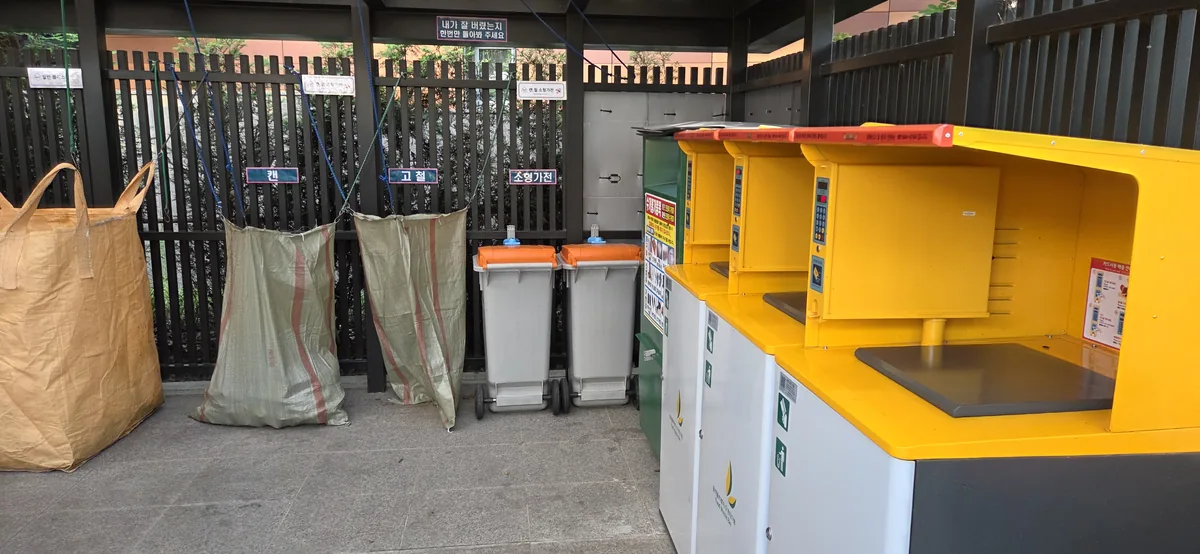
Food waste is its own category entirely — and the dividing line isn’t “organic” vs “non-organic.” Korea’s food waste stream feeds an industrial composting and animal feed process, which means anything that can’t be processed in that system goes in your general waste bag, even if it came off a plant. Chicken bones, fish bones, shellfish shells, fruit stones (peach, apricot), walnut shells, onion skins, garlic stems, corn husks, and teabags all go in the jongnyangje bongtu — not the food waste bin. Banana peels, apple peels, and citrus rinds, on the other hand, are food waste. That distinction trips up almost every expat who moves here from a Western country.
💡 Pro Tip:
When in doubt about a food item, ask: could an animal eat and digest this safely? Bones, shells, and hard seeds say no. Soft fruit peels say yes. That mental check covers about 90% of edge cases.
Korea Bulky Waste Disposal App: How Ppaegi Works in Hwaseong
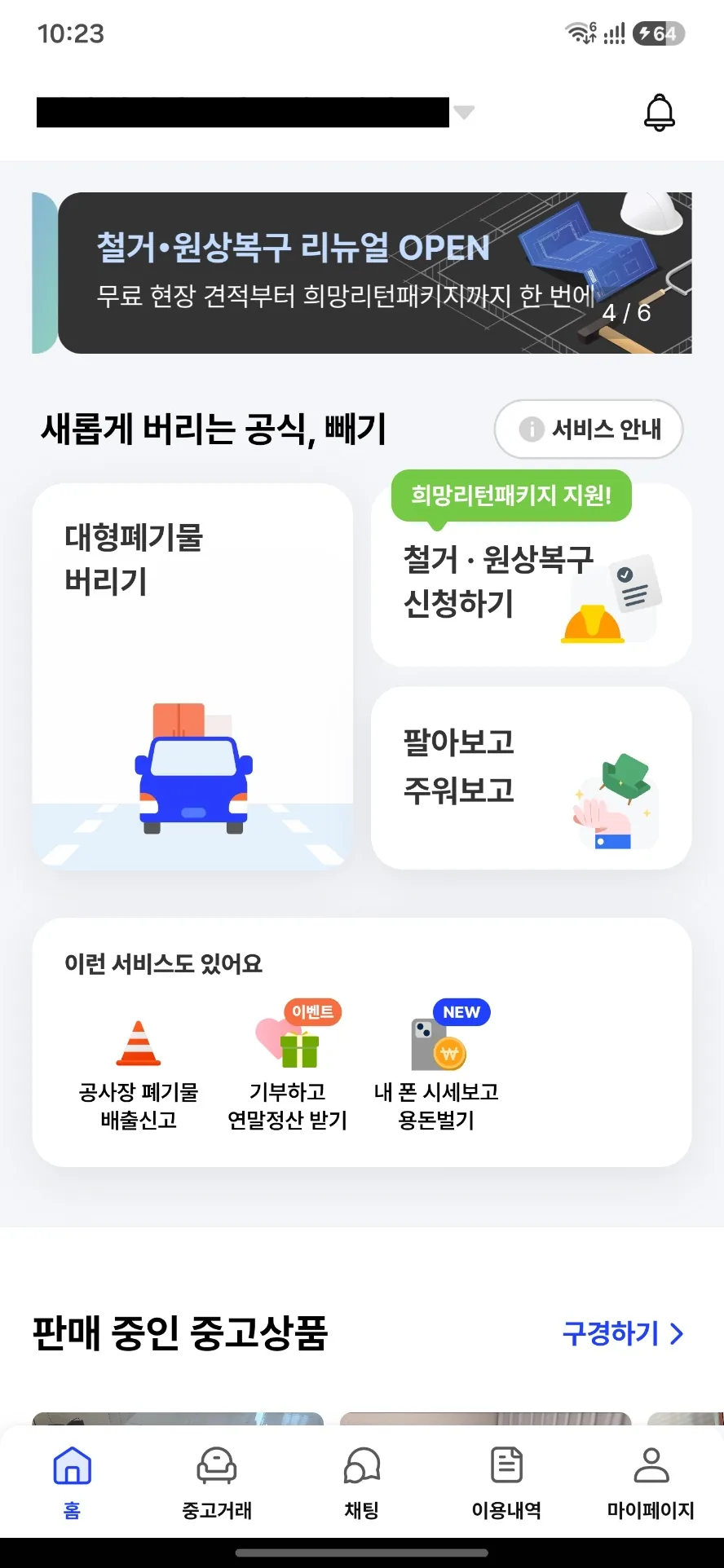
Before I discovered the Ppaegi app, the process of disposing of a large item — an old piece of furniture, a heavy blanket, anything that won’t fit in a standard bag — seemed like it required a trip to the community center during business hours. Ppaegi changes that entirely. It’s a private app that integrates with Hwaseong City’s large waste system, and it handles everything from your phone.
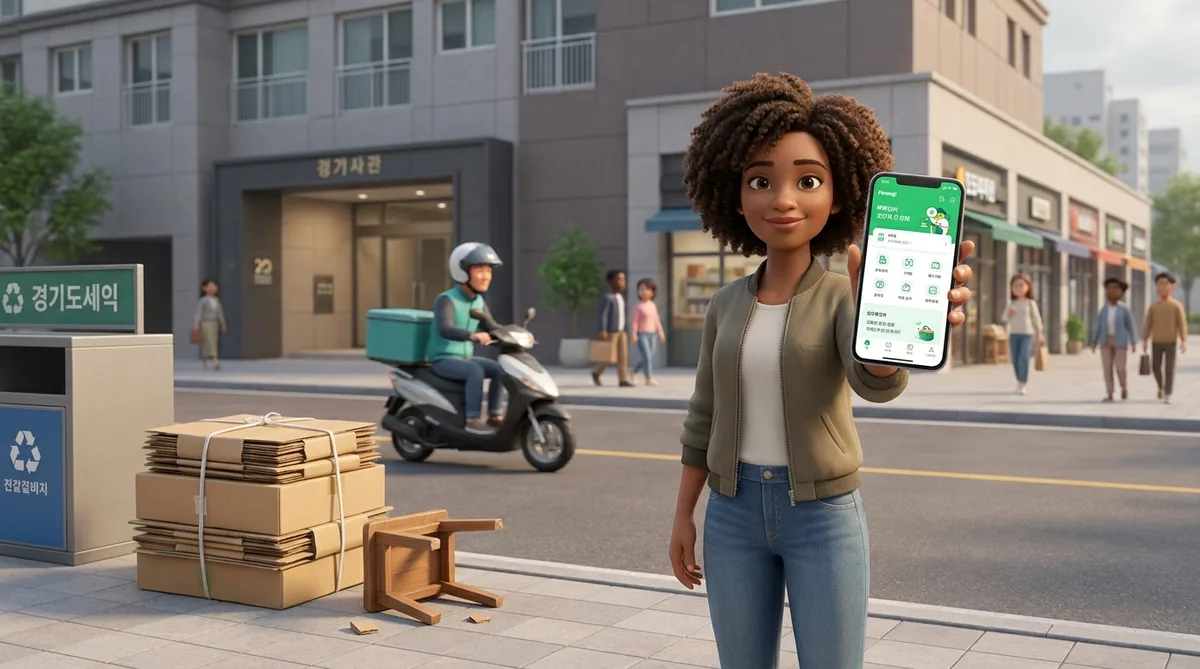
Here’s how to use it:
- Download the Ppaegi (빼기) app from the Google Play Store or Apple App Store — search for “빼기”.
- Register for an account. The app is in Korean, so if you need help navigating the registration screen, the JustAskJin translation tool can walk you through it field by field.
- Select your item category and take or upload a photo of what you’re disposing of.
- Pay the processing fee through the app. The fee varies by item — a chair might be a couple of thousand won, a sofa significantly more.
- You’ll receive a reservation number. Write it clearly on a piece of paper and tape it to the item.
- Place the item in the designated spot — if you’re in an apartment complex, specify the exact location (building entrance, parking level, etc.) in the app notes.
- Leave it out. Collection happens according to the schedule Ppaegi confirms in the app.
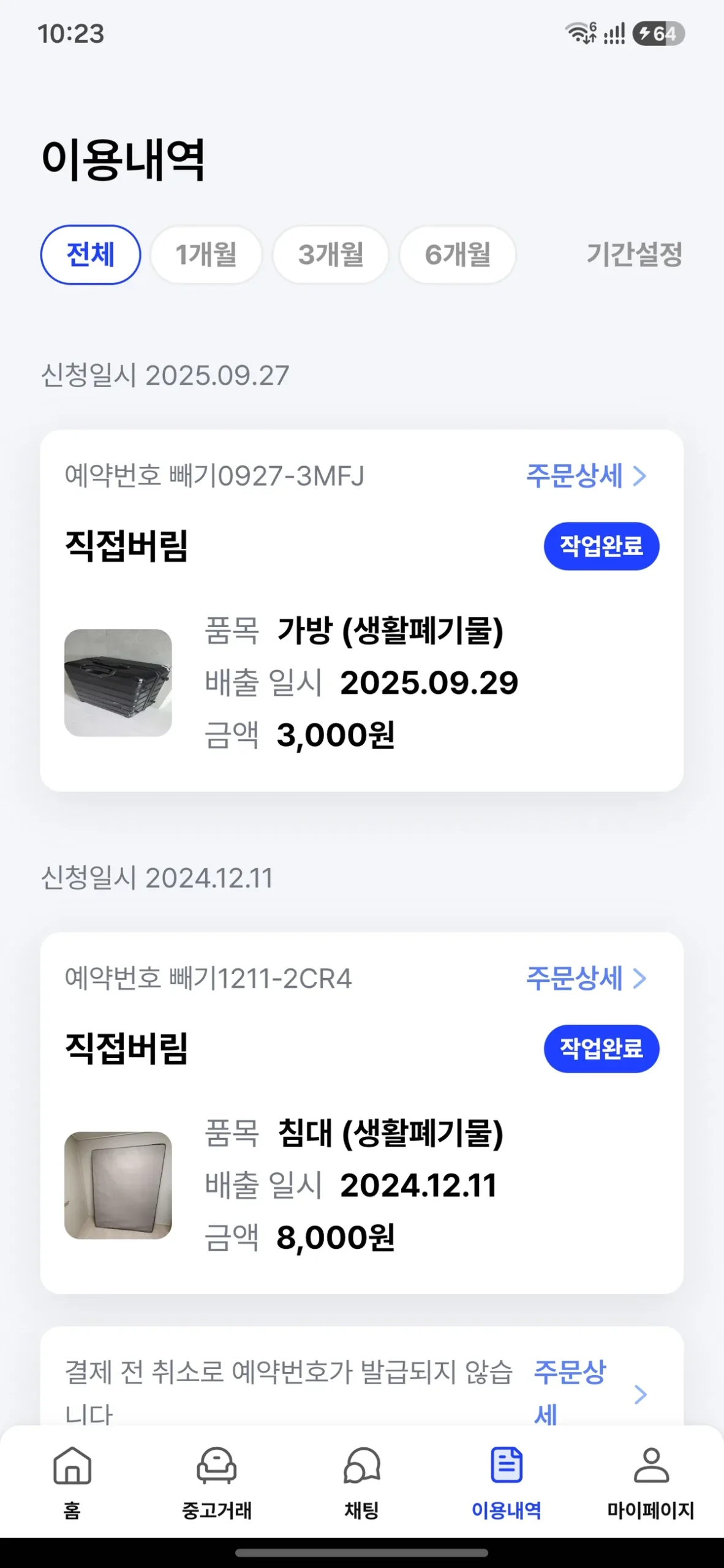
The app offers two service tiers. Direct disposal (직접버림) is the standard option — you get your reservation number and put the item out yourself. Descend and collect (내려드림) is the premium tier, where a partner comes to your home and physically carries the item out for you. That service costs more, but for a large item on an upper floor, it’s worth considering.
Used home appliances — televisions, washing machines, refrigerators — have a separate, free collection service operated by the Korea Electronics Recycling Cooperative. Call 1599-0903 or visit www.15990903.or.kr to book. The booking line is weeday only; trucks run weekdays + Saturday. Note that PCs and audio systems are collected as a set (main unit plus monitor), and small appliances require a minimum of five items per collection request.
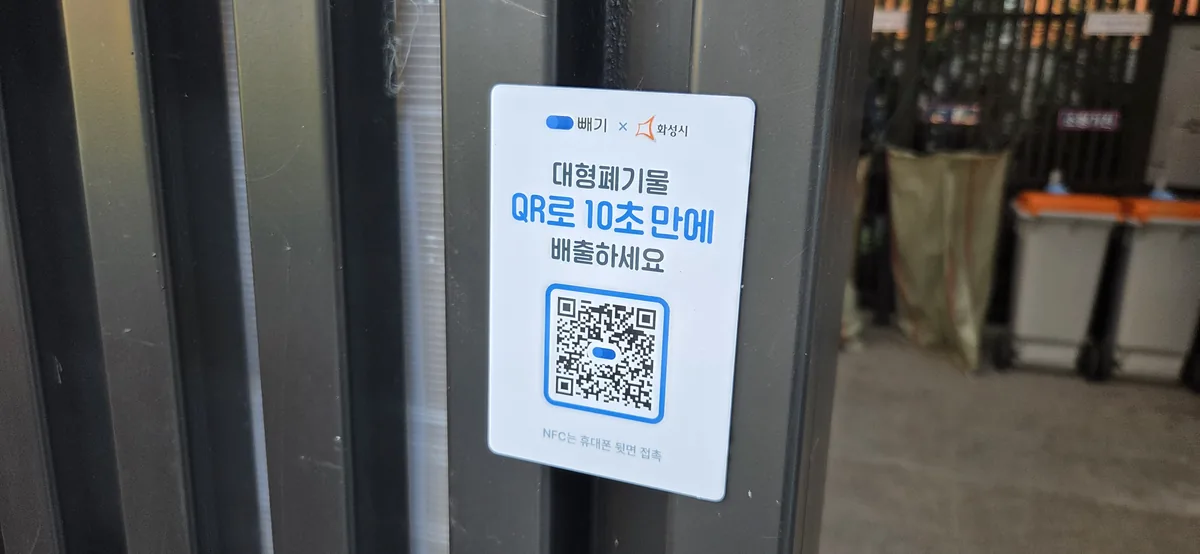
Around Hwaseong you’ll also see building notices pointing residents to the app with a QR code — a quick way to download it and check that your complex is covered.
Korea Special Waste Disposal Guide: Medicine, Batteries, Oil, and Lights
Four categories of waste need special handling in Gyeonggi-do, and none of them go in your standard bag or recycling bins. Getting these wrong isn’t just a fine risk — some of these items cause real environmental damage if disposed of incorrectly.
Special Waste: Where Each Item Goes
- Used medicine: Never pour liquid medicine down the sink or toilet — it pollutes the water supply. Drop off at collection bins located at pharmacies, community centers (주민센터, jumin senteo), or public health centers (보건소, bogeon-so).
- Used batteries: Dedicated collection bins in apartment recycling areas or at community centers. Do not place in general waste.
- Used cooking oil: Pour into a dedicated collection bin if your complex has one. If not, take it to your nearest community center.
- Fluorescent lights (intact): Use the dedicated fluorescent light collection bin at your recycling station.
- Broken fluorescent lights: Wrap carefully in newspaper first to prevent injury, then place in a landfill-specific jongnyangje bongtu (매립용 종량제 봉투, maengnyipyong jongnyangje bongtu) — not a standard waste bag and not a recycling bin.
The fluorescent light rule catches people out because there are two different situations: an intact spent bulb goes to the dedicated bin, while a broken one — where the mercury risk makes bin disposal unsafe — gets wrapped and goes in the landfill-specific bag. They look like the same problem, but they’re handled differently.
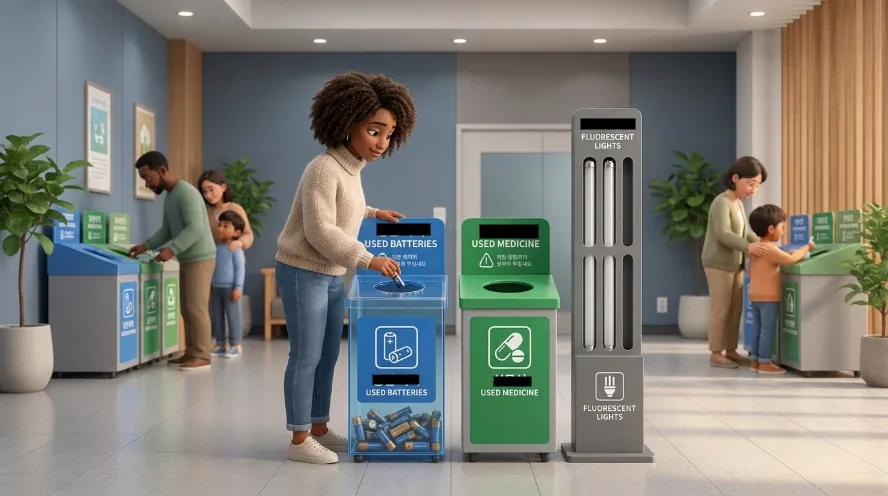
If you’re unsure where your nearest special waste drop-off points are, the 내손안의 분리배출 (nae son anui bunli baechul — My Hands Recycling App) is free on both iOS and Android. Search “내손안의 분리배출” in your app store. It lets you look up disposal methods by item type and find local collection points — genuinely useful when you’re standing there holding something and not sure where it goes.
Fines and Consequences for Improper Disposal
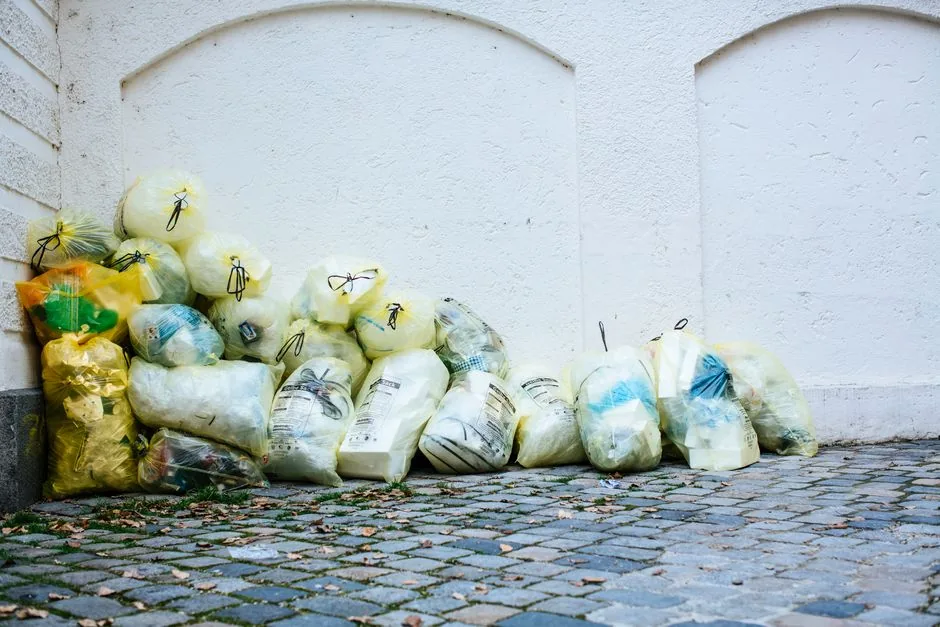
The fines are real, and they’re not trivial. According to Hwaseong City’s environmental guidelines, improper waste disposal in Gyeonggi-do can result in fines and the actual amount varies by violation type and local ordinance. Mixing recyclables into your general waste bag, putting food waste in the wrong stream, or dumping a large item without a sticker or reservation number are the most common triggers.
⚠️ How violations get traced back to you
Collectors conduct random bag checks. If your bag contains personal information — a delivery receipt, an address label, a utility bill — that’s enough to identify you and issue a fine on the spot. Remove personal details from all waste before disposal.
Large item dumping without going through the proper process carries the steepest penalties — up to 1,000,000 KRW in some jurisdictions. If you’re managing daily expenses carefully while settling into life here, those fines sting twice as hard; pairing good waste habits with managing daily expenses in Gyeonggi-do through local tools makes the whole picture more sustainable.
My approach has always been the same one I developed in Tokyo: check your rubbish area after collection. If something was left behind, take it back, find out why, and fix it. Not because someone is watching. Because doing it right is just the standard worth holding yourself to — wherever you’re living.
Frequently Asked Questions
How does the Ppaegi app work for bulky waste disposal in Gyeonggi-do?
Download the Ppaegi (빼기) app, register an account, select your item, upload a photo, and pay the processing fee. You’ll receive a reservation number to tape onto the item before leaving it in the designated spot. Hwaseong City is a supported area, so the service works directly through the app without a trip to the community center.
What are jongnyangje bongtu bags and where can I buy them in Hwaseong?
Jongnyangje bongtu (종량제봉투) are official paid waste bags specific to each city — in Hwaseong, they carry Hwaseong City branding and cannot be substituted with bags from another district. You can buy them at convenience stores (CU, GS25, 7-Eleven), supermarkets, and large marts in sizes from 5L to 50L. Only general waste goes in them — not recyclables, food waste, or hazardous items.
What are the PET bottle recycling rules in Korea — do I need to remove the label and cap?
Yes — for PET bottle recycling in Korea, you must empty and rinse the bottle, remove the shrink-wrap label (it goes separately into plastics recycling), crush the bottle flat, then replace the cap before putting it in the clear PET recycling bin. The cap stays with the bottle; the label does not. Placing a PET bottle with its label on into a general waste bag is a common violation.
How do I dispose of special waste like medicine, batteries, and cooking oil in Gyeonggi-do?
None of these go in standard waste bags or regular recycling bins. Used medicine goes to collection bins at pharmacies, community centers, or public health centers. Batteries go in dedicated bins at apartment recycling areas or community centers. Cooking oil goes in a dedicated bin on-site or at your nearest community center. The free app 내손안의 분리배출 can help you locate the nearest drop-off point for any item.
What fines can I face for improper waste disposal in Gyeonggi-do?
Fines for improper waste disposal in Gyeonggi-do such as mixing recyclables into general waste or putting food waste in the wrong stream. Large item dumping without a proper reservation or sticker can carry penalties of up to 1,000,000 KRW. Collectors perform random bag checks and can trace violations back to individuals via personal details found inside bags.