Living in the outskirts of Gyeonggi-do, specifically in Hwaseong, totally changed my perspective on transportation. Back when I lived in Japan, the train system was my lifeline. Even when my wife and I first moved to Korea, we relied heavily on buses. But once our newborn baby arrived, carrying a stroller and diaper bags on public transit became an exhausting daily marathon. We desperately needed our own set of wheels, which led me down the rabbit hole of buying a used car in Korea. If you are a foreigner wondering about driving in Korea with an international license or exchanging your permit, getting the paperwork sorted is only half the battle. Finding a reliable vehicle without getting ripped off is the real challenge.
I was initially terrified of the Korean used car market. You hear horror stories about hidden fees, fake listings, and pushy salesmen. However, after doing extensive research and eventually buying my car from a dealer in Suwon, I realized that with the right preparation, it is a straightforward process. Let me share my honest, first-hand experience and break down everything you need to know, from inspecting the car to getting massive discounts on your Korean auto insurance.
Karrot Market vs. Suwon Dealerships
When you start looking for a used car in Korea, you generally have two paths: direct transactions through apps like Danggeun (Karrot Market) or going through a professional dealership. Direct transactions are becoming incredibly popular because you can skip the dealer fees and negotiate directly with the owner. It sounds great on paper, but as an expat, I felt the risk was too high. There are cases where the person selling the car isn’t the actual owner on the registration, or worse, they are trying to pass off a rental car as a personal vehicle.
Because I wanted peace of mind, I chose to go through a dealer in Suwon, which is basically the mecca of used cars in South Korea. A Korean friend introduced me to a reputable dealer there. Even though I had to pay a bit more in upfront fees, the legal protection and the massive inventory made it worth the trip.
Before you even step foot on a lot, you must check the official CarHistory database. For a small fee of about 770 KRW, this government-backed site pulls insurance records to show you any reported accidents, flood damage, or total loss history. It is the most powerful tool you have to verify a seller’s claims.
Inspecting the Vehicle: Sights, Sounds, and Smells
When I arrived at the massive outdoor lot in Suwon, the sheer scale of the place was overwhelming. Rows upon rows of cars gleamed under the midday sun. My dealer walked me over to the mid-sized SUV I had my eye on. It was exactly what we needed for the baby’s gear.
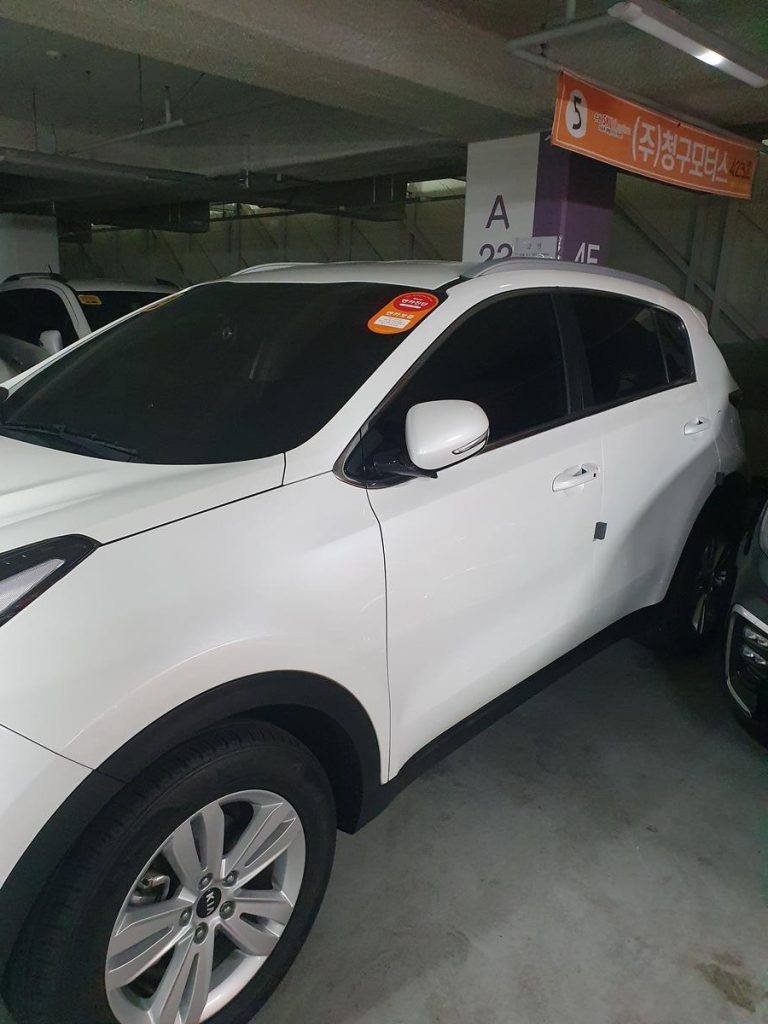
Standing next to the vehicle on the warm paved surface, I ran my hand along the side profile, checking for any uneven paint jobs or misaligned panels that might indicate an unreported fender-bender. The bright white paint reflected the sunlight, and the tires still had a good amount of tread left. I made sure to check the exact physical condition against the online listing.
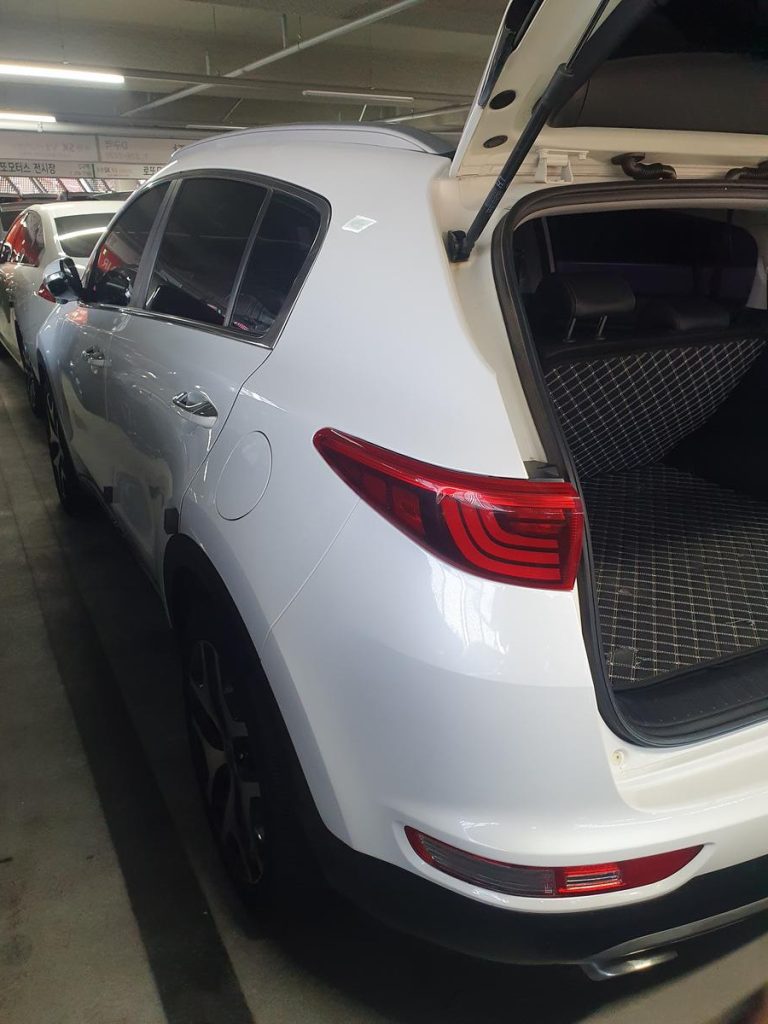
Next, we moved to the back. I popped open the heavy rear trunk, listening for the smooth hiss of the hydraulic struts. The carpeted trunk area smelled lightly of chemical cleaner, a sign that the dealer had properly detailed it. I specifically looked at the rear bumper and taillights, tracing my fingers over the plastic to ensure there were no hairline cracks. If you plan on camping or hauling a lot of baby supplies, verifying the actual trunk space in person is absolutely crucial.
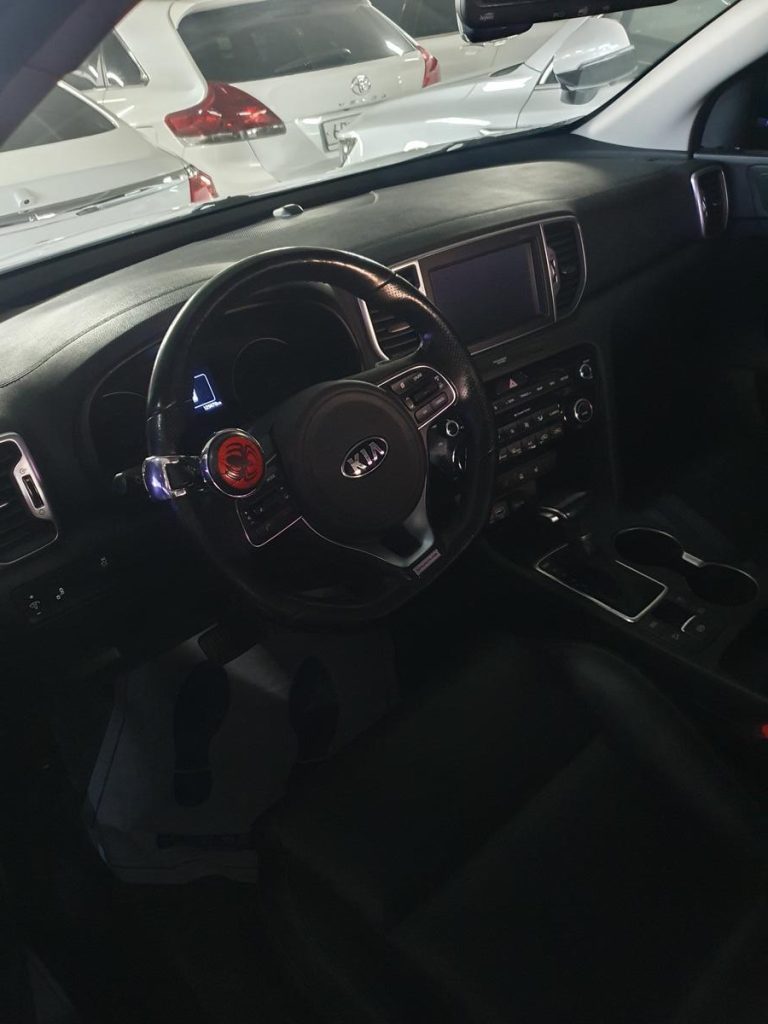
Finally, I slid into the driver’s seat. The leather felt cool, and the interior had that distinct “used but well-maintained” scent. Gripping the steering wheel, I checked the dashboard lights, the center console buttons, and the condition of the front seats. It is so easy to overlook small interior damages in photos, but sitting inside, you can feel if the seat mechanisms are smooth and if the air conditioning blows cold and odor-free.
Understanding Korean Dealer Fees and Financing
If you buy from a dealer in the Seoul, Gyeonggi, or Incheon area, there is a standardized dealer fee (매도비) of exactly 440,000 KRW. Do not let anyone charge you more for this specific administrative fee. Additionally, there is a mandatory performance liability insurance fee (성능 책임 보험료) that varies depending on the car’s age and type. This insurance is legally required and protects you for 30 days or 2,000 km in case the engine or transmission blows up right after you buy it.
For financing, I used a Capital loan. I will be completely transparent here: because I was worried about my initial cash flow, I took on a loan with a rather high interest rate. If you have the cash, pay upfront. If you must finance, try to get a loan from a tier-1 bank (like Kookmin or Shinhan) rather than the secondary Capital lenders the dealers push, as the interest rates are much friendlier for foreigners with good credit.
My Big Insurance Mistake (And How to Avoid It)
Once you agree on the price, you cannot legally drive the car off the lot without insurance. The dealer will usually have an insurance agent on standby to help you sign a temporary or 1-year contract right there at the desk.
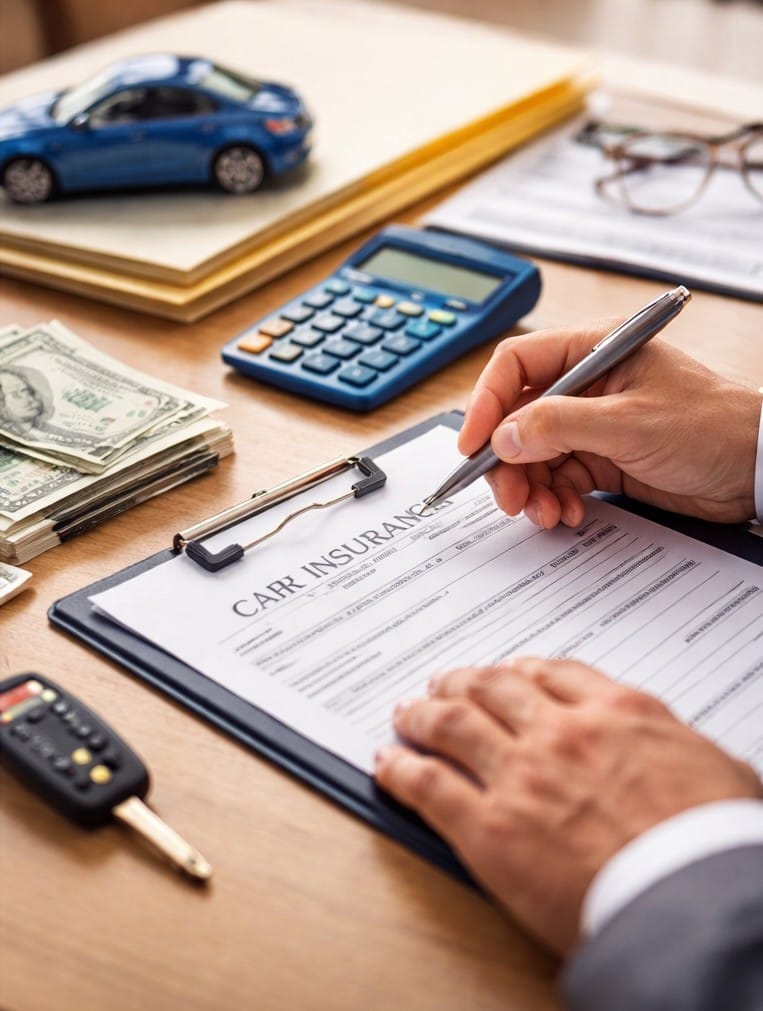
I sat in the cramped, brightly lit office, feeling the scratch of the pen against the crisp printed paper as I signed my name on the insurance contract. I felt a mix of relief and anxiety. However, I made a massive mistake. I signed up for a one-week temporary insurance policy just to get the car home, intending to research cheaper options online later. Life got busy, I forgot to renew it, and a week later, I was slapped with a government fine for driving an uninsured vehicle. Do not make my mistake. Korean law is incredibly strict about continuous insurance coverage.
To get the best rates, skip the agents and use “Direct Insurance” (다이렉트 보험) online. You can calculate quotes directly on your phone or PC without paying agent commissions. Keep in mind that your insurance period must align perfectly with your expiration dates to avoid fines.
Hacking Your Insurance Premium for Massive Discounts
Korean auto insurance companies offer fantastic discounts if you can prove you are a safe, low-risk driver. Here are the top three ways I slashed my premium:
- The Black Box (Dashcam) Discount: If your car has a dashcam installed, you get an automatic discount.
- The Baby Discount: Having a newborn or being pregnant grants you a significant “family/child” discount. Since we just had our baby, I submitted our family registry and saved a lot. (By the way, if you need to travel with your new baby, check out my guide on how to take a DIY baby passport photo in Korea).
- Safety Features: Lane assist, forward collision warning, and surround-view cameras all lower your risk profile.
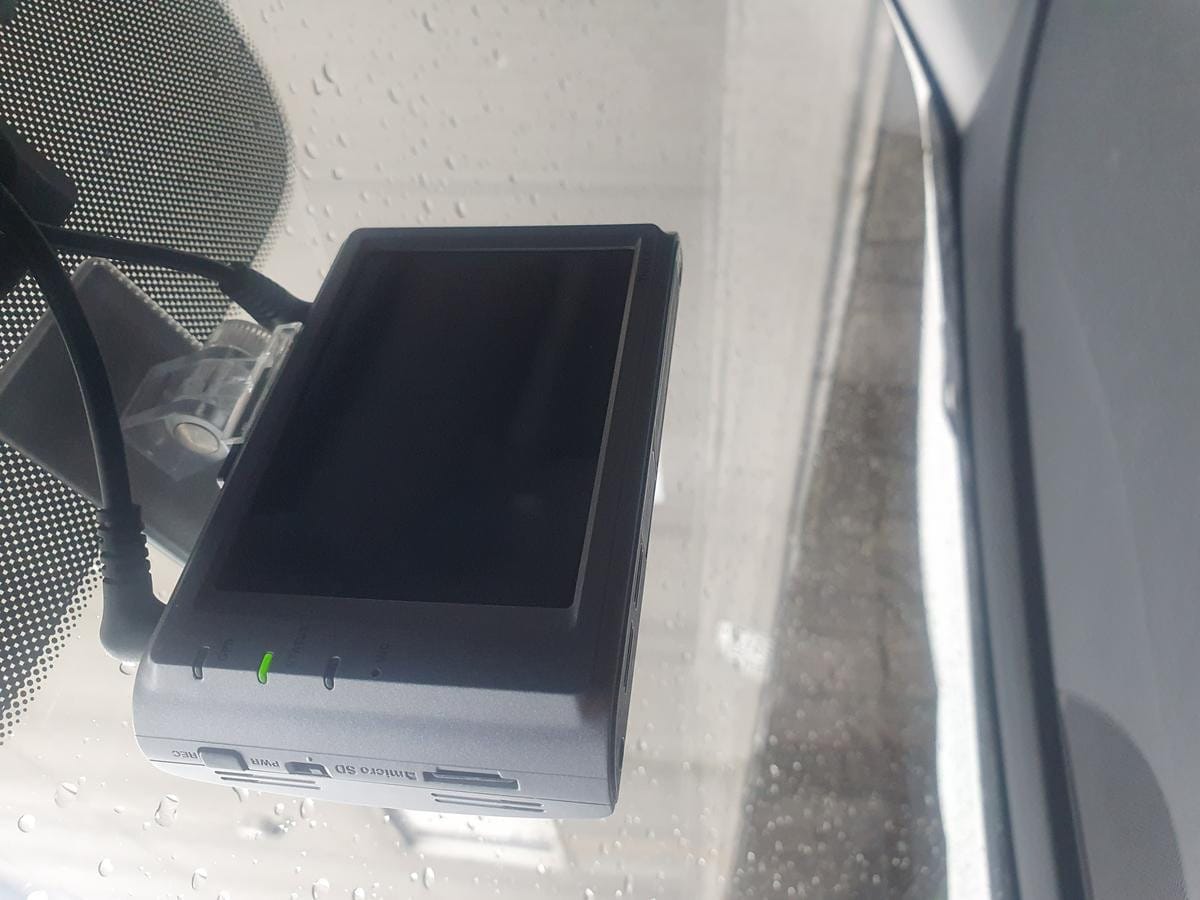
When I inspected my car, I was thrilled to see a small digital camera device neatly mounted on the inside of the windshield behind the rearview mirror. This little black box not only provided crucial video evidence in case of an accident but immediately qualified me for the dashcam discount.
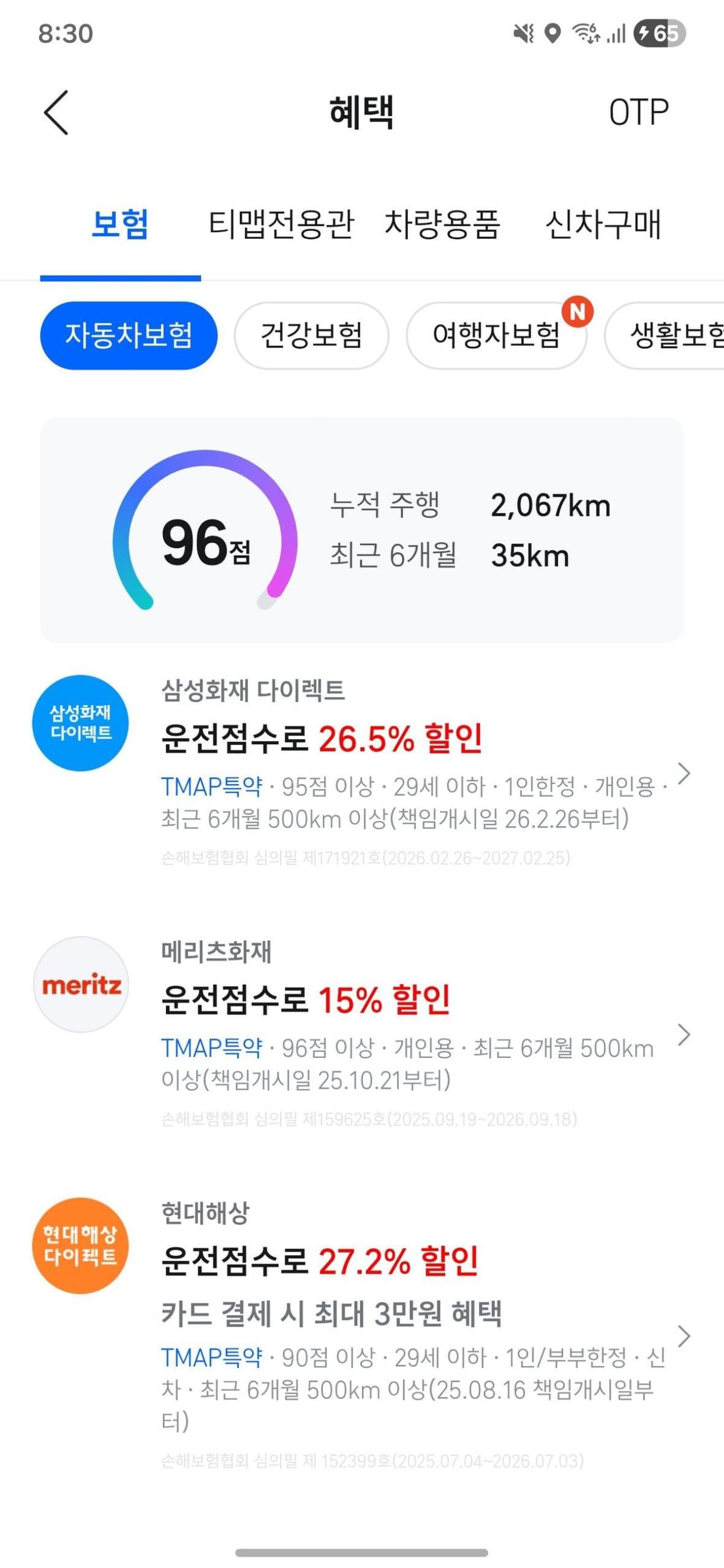
But the absolute best tip I can give you is the TMAP Safe Driving Discount. TMAP is the most popular navigation app in Korea. The app tracks your driving habits—acceleration, braking, and speeding—and assigns you a numerical score. Looking at the smartphone screen displaying the navigation interface with my high driving score felt like winning a video game. If your score is over a certain threshold (usually 70 or 80), insurance companies will slash your premium by up to 10-15%. Always use TMAP when driving!
The Handshake and the Open Road
After all the paperwork was sorted, the fees were paid, and the direct insurance was successfully registered, it was time to finalize the deal.
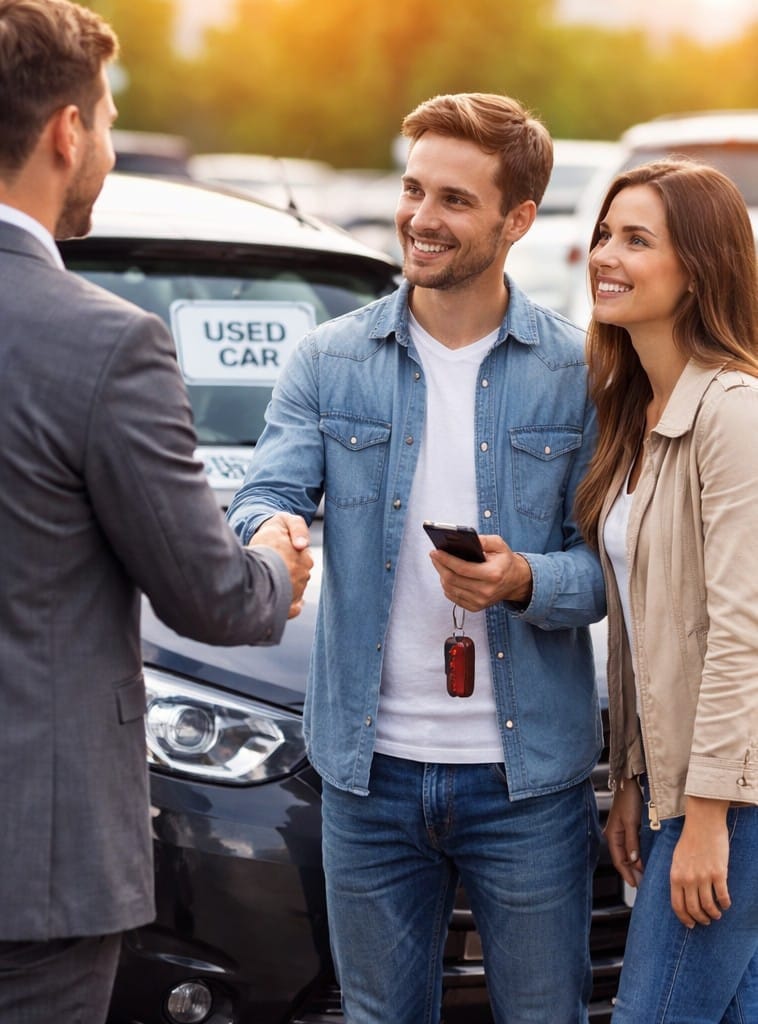
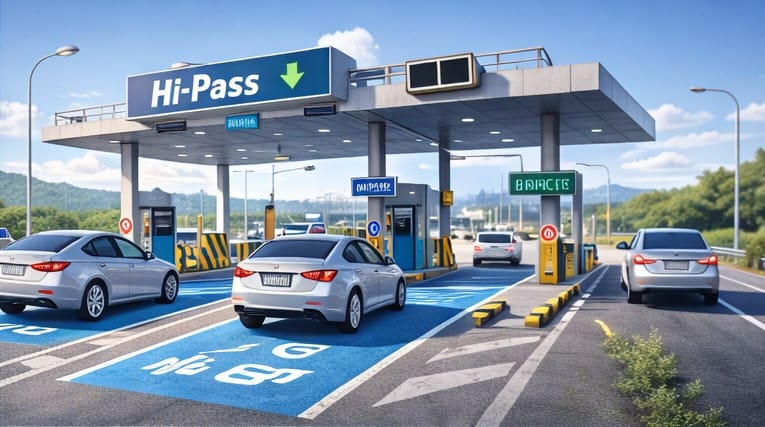
Standing in the slightly blurred, busy hallway of the dealership, I firmly shook hands with the dealer. It was a moment of genuine relief. The transaction was clean, and despite my initial fears of the used car market, being well-researched had protected me from any major pitfalls. Before leaving, I made sure my highway toll system was ready to go. If you are doing this for the first time, I highly recommend reading up on how to buy and set up a Korean Hi-Pass card so you don’t get stuck at the toll booths on your way home.
Looking back, taking the plunge and buying that used car was the best decision for our family. Yes, it comes with maintenance costs—I’ve already had to replace the tires, change the engine oil regularly, and even do a minor transmission repair—but the freedom it provides is priceless. We can now drive to beautiful cafes in Pyeongtaek or take the baby to the coast without stressing over bus schedules. If you are an expat in Korea feeling trapped by public transit, I strongly encourage you to do your CarHistory homework, download TMAP, and confidently hit the used car market. The open roads of Gyeonggi-do are waiting for you!
If you are looking for a complete overview of navigating the roads here, check out my Complete Guide to Driving in Korea for Expats.
Arriving in Korea soon?
Don’t navigate your first day alone
I meet you at Incheon or Gimpo airport and guide you through everything — SIM card, T-money, transport, and getting to your accommodation. Personal support from $180.
Book arrival support →