When my wife and I first settled into our new life in Hwaseong, South Korea, we quickly realized that relying solely on public transport wouldn’t cut it. While living in central Seoul means you rarely need to touch a steering wheel, residing in the outer suburban areas is a completely different story. To truly explore the beautiful Gyeonggi-do province and commute comfortably, we decided to purchase a used car. The freedom was immediate, but so was a brand-new point of confusion: navigating the Korean highway toll system. Fortunately, driving here is quite orderly, which aligns with my broader experiences of understanding why Korea is a high-trust society, but the technical aspects of the toll gates initially left me scratching my head.
Having previously lived and worked in Japan and Australia, I was familiar with electronic toll collection systems. In Japan, the ETC (Electronic Toll Collection) card is an absolute necessity for anyone doing serious driving. When I got behind the wheel in Korea, my brother-in-law graciously gave me a crash course on the Korean equivalent: the Hi-Pass (하이패스) system. If you are an expat or a long-term visitor planning to drive in South Korea, getting a Hi-Pass card is not just a luxury; it is the ultimate stress-saver. In this guide, I will walk you through exactly how to get one, set it up, and breeze through toll gates without a second thought.
What is the South Korean Hi-Pass System?
The Hi-Pass system is South Korea’s automated electronic toll collection system, operated by the Korea Expressway Corporation. Much like the E-ZPass in the United States or the ETC in Japan, it allows drivers to pass through highway toll gates without needing to stop and pay with cash or a physical credit card. A wireless terminal installed inside your vehicle reads a specialized smart card as you drive through designated blue lanes at toll plazas.
One of the first things I noticed, especially compared to my time in Japan, is just how affordable the highway tolls are in South Korea. While a cross-country drive in Japan can easily cost a small fortune in ETC fees, Korean expressway tolls are incredibly reasonable. Furthermore, using a Hi-Pass card often grants you slight discounts during certain off-peak hours or for eco-friendly vehicles. If you plan on taking weekend road trips down to Busan or just driving out to a massive local spot like the Prefer cafe in Pyeongtaek, the Hi-Pass card will make your journey completely seamless.
Where to Buy Your Hi-Pass Card
When my brother-in-law first told me I needed a card, I assumed it would require a tedious visit to a government office or a bank with a stack of alien registration documents. I was pleasantly surprised by how accessible it actually is. You have several convenient options for purchasing the physical card.
The most accessible option for most expats is to simply walk into a major convenience store. GS25, CU, and 7-Eleven often carry them behind the counter. Alternatively, if you are already on the highway and realize you need one, you can purchase a card at the information desks of most official highway rest areas (휴게소). Finally, if you prefer the ultimate convenience of Korean delivery, you can order one directly from Coupang, and it will arrive at your door the very next day.
I clearly remember the day I got my card. I was standing in my apartment, holding the crisp, blue piece of plastic. The surface was smooth, and looking at the smart chip embedded in the front, I felt a small sense of accomplishment. I held the blue Hi-Pass automatic recharge card against the white and gray tiled background of our kitchen, ready to tackle the next step of my Korean driving journey.
Tips for Buying: Pre-paid vs. Auto-Recharge
- Standard Pre-paid Cards: You load a specific amount of cash onto the card at a convenience store or highway rest area. When it runs out, you must manually top it up. This is okay for short-term visitors, but tedious for residents.
- Auto-Recharge Cards (자동충전카드): This is what I strongly recommend. You link the card to a bank account or credit card. When the balance drops below a certain threshold, it automatically recharges itself.
How to Register Your Card Online
Once you have the physical card, you cannot just stick it in your car and start driving. It must be registered to your name and linked to a payment method if you are using the auto-recharge feature. This requires visiting the official Hi-Pass website or downloading their mobile application.
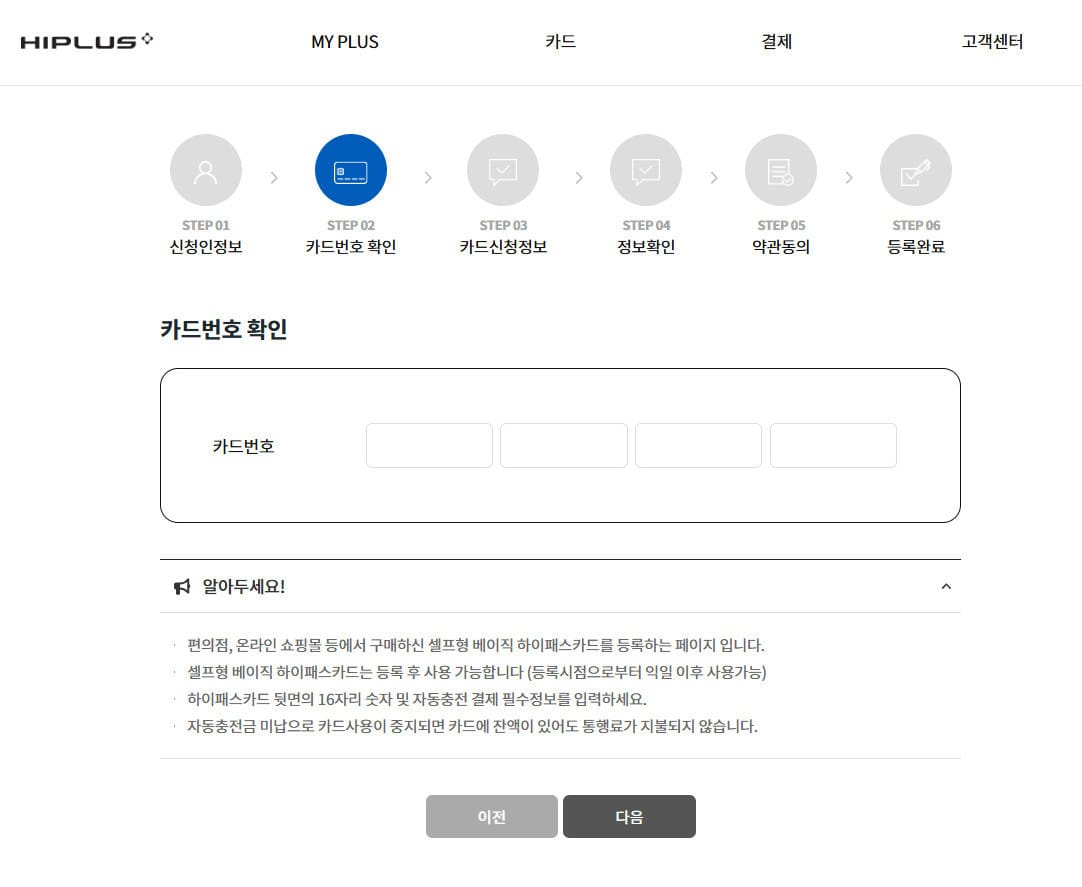
Every Hi-Pass card has a unique 16-digit identification number printed on it. This number is your golden key. I navigated through the mobile app interface, carefully typing in my details. The screen displayed my card’s registration status and basic balance information in a clean, digital format. It was a bit intimidating at first because the apps are entirely in Korean, but using a translation app on a secondary device helped immensely.
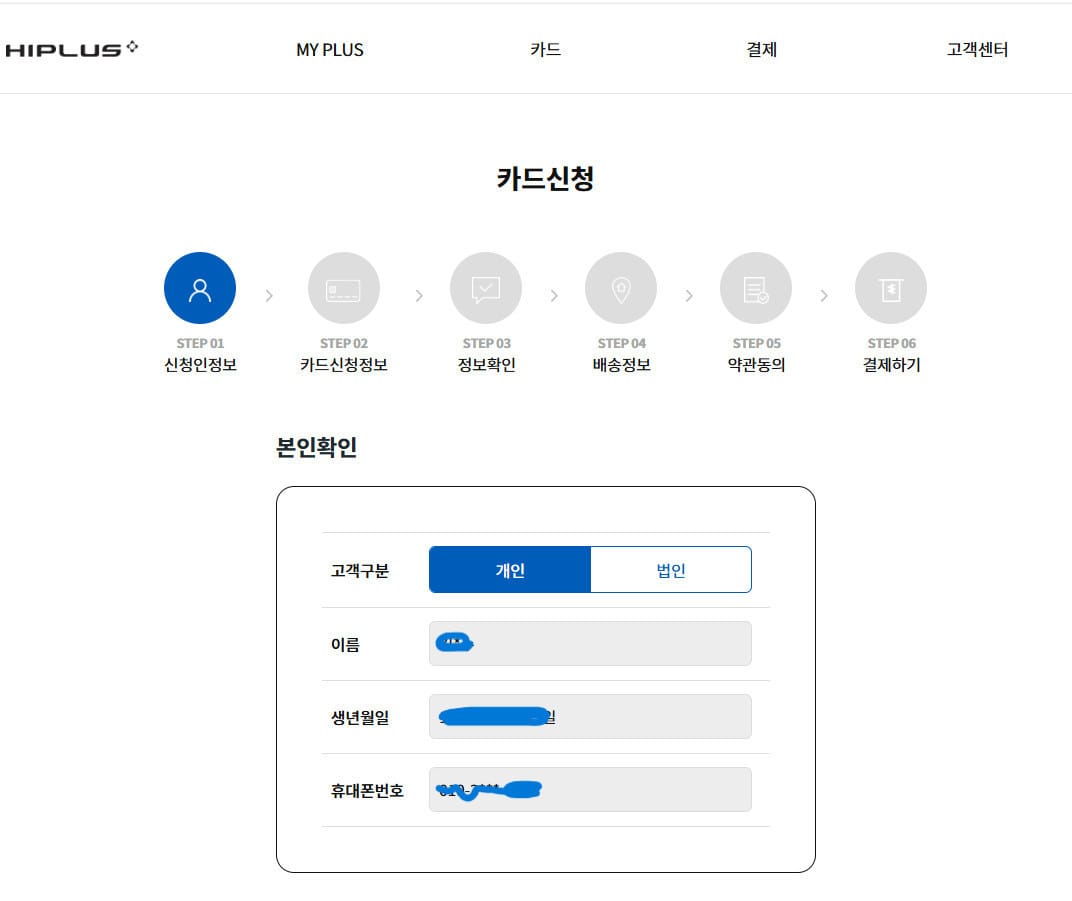
To register, you will need to input that specific 16-digit number. I took a screenshot of my app just to double-check that I had entered the long string of numbers correctly before hitting confirm. Looking closely at the mobile app displaying that specific 16-digit Hi-Pass card number gave me peace of mind that my account was securely linked.
Setting Up Auto-Recharge (The Smart Way)
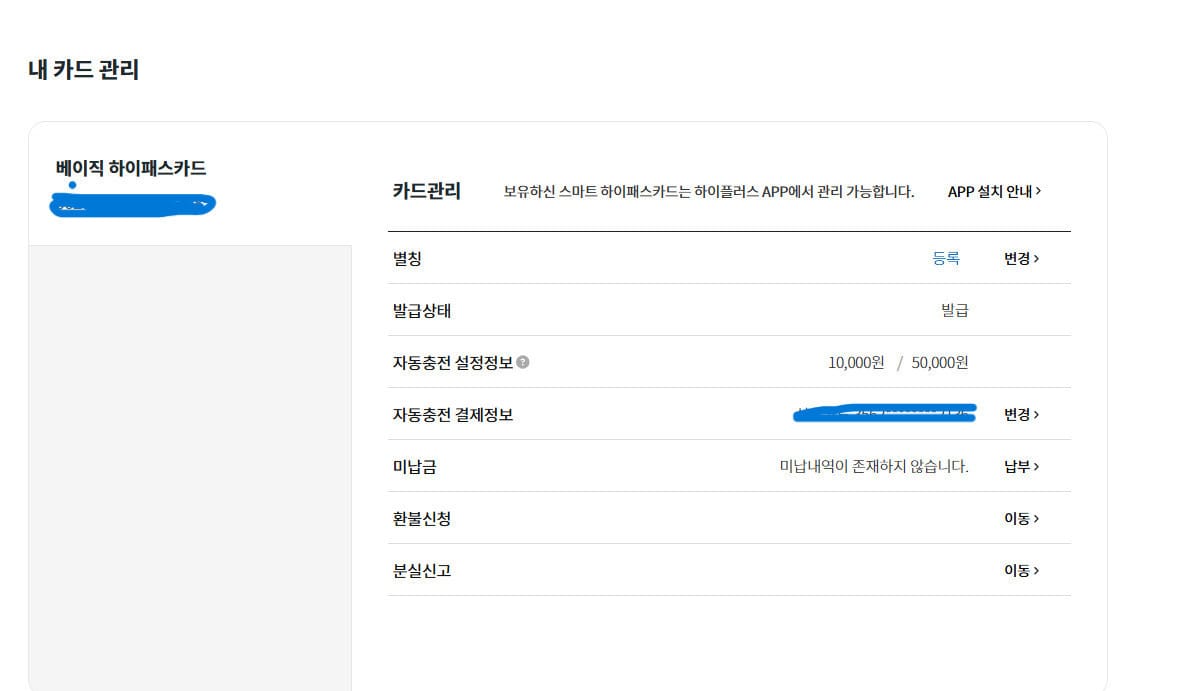
This is where the magic happens. Setting up auto-recharge (자동충전) means you will never experience the panic of arriving at a toll gate with insufficient funds. During the registration process, the system will ask how you want to fund the card. You can choose a direct bank account transfer (계좌 자동이체) or link it to a Korean credit card (신용카드 자동이체).
Here is my exact setup, which I highly recommend for expats: I configured the smartphone screen settings so that whenever my Hi-Pass balance drops below 10,000 KRW, it automatically charges exactly 50,000 KRW to my linked credit card.
Expat Pro-Tip: Leveraging Credit Card Benefits
When we moved into our new apartment, we bought several LG home appliances on a subscription plan. By opening a specific LG Electronics credit card, we received significant monthly discounts on our appliance subscriptions, provided we met a minimum monthly spending requirement. Since I knew highway tolls would be a consistent expense, I linked my Hi-Pass auto-recharge directly to this LG credit card. This simple trick helps me effortlessly hit my minimum spending requirement every month without buying things I don’t need!
Installing the Card in Your Car
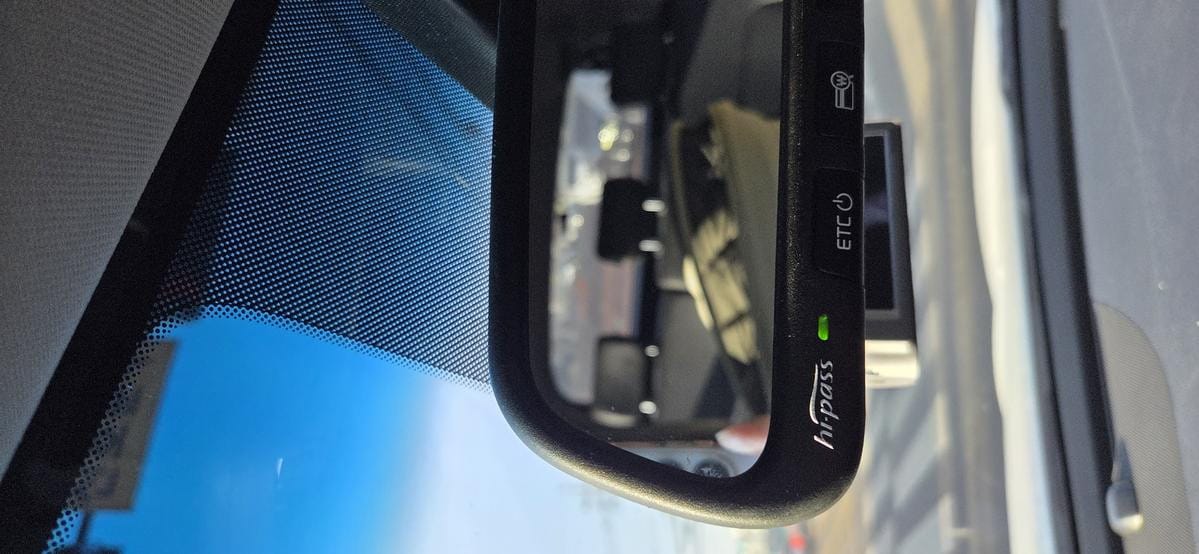
With the card registered and loaded, the next step is getting your car ready. For the Hi-Pass system to work, the card must be inserted into an OBU (On-Board Unit) terminal. When I bought my used car, I was thrilled to discover it had a built-in terminal. In many modern Korean cars, the terminal is integrated directly into the back of the rearview mirror.
Sitting in the driver’s seat, I held the card with the electronic chip facing the correct direction. I carefully inserted the Hi-Pass card into the built-in terminal slot located just behind the car’s rearview mirror. I pushed it in until I heard a satisfying mechanical ‘click’, followed by a voice prompt from the mirror confirming that the card was recognized. A small green LED light illuminated, signaling that the system was active and ready.
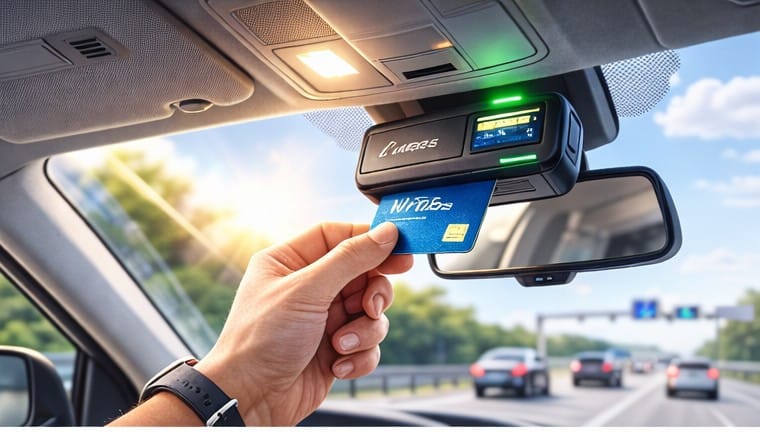
If your car does not have a built-in rearview mirror terminal, do not panic. You can easily purchase a standalone, battery-operated or solar-powered Hi-Pass terminal from Coupang, Emart, or a highway rest area. You simply stick it to the center of your dashboard or the top center of your windshield.
Managing Your Account via the App
One of the best features of the modern Hi-Pass system is the mobile app integration. While I use a standard card rather than a fancy new smartphone-only tolling system, the app is incredibly useful for tracking expenses.
After a long weekend of driving to different towns—perhaps recovering from a tough workout at my favorite Bongdam boxing gym—I like to review my travel costs. I sat on my couch, phone in hand, looking at the Hi-Pass mobile application screen. It clearly displayed my recent transaction history, showing exactly which toll gates I had passed through and the exact amounts deducted.
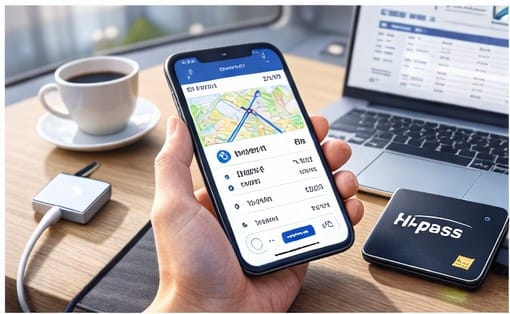
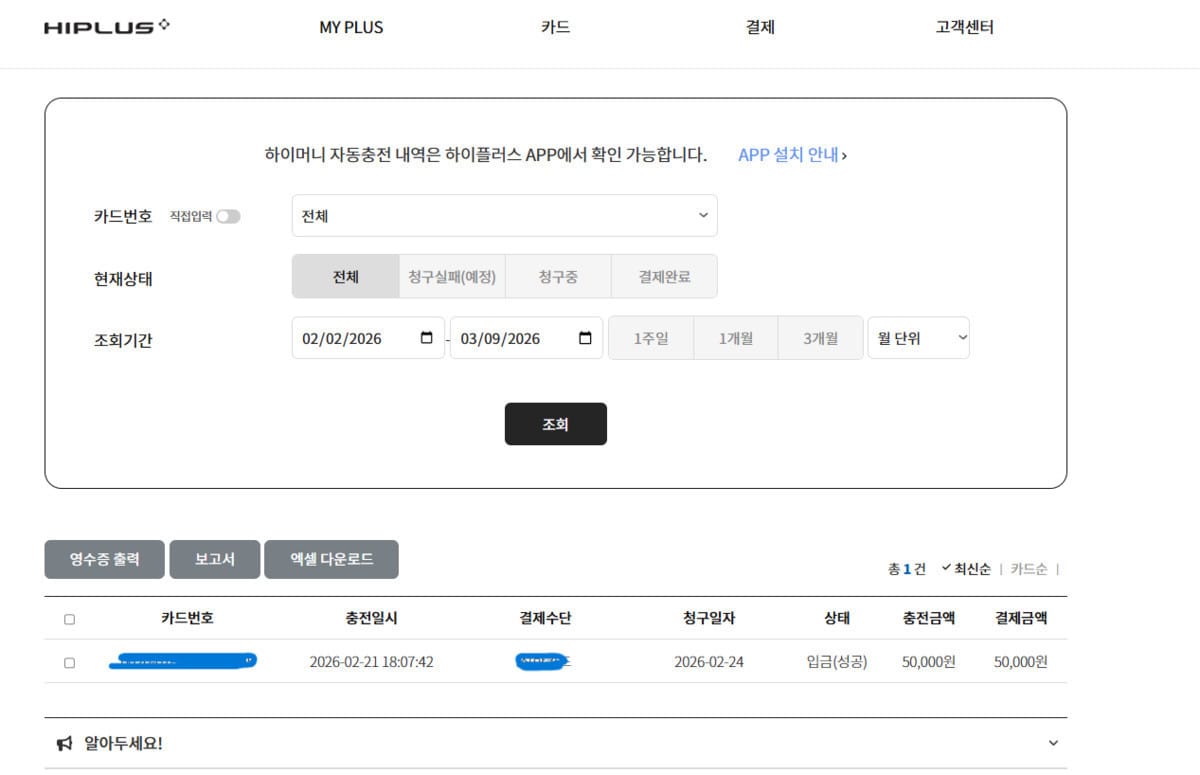
Furthermore, I can track every single time the card has topped itself up. Scrolling through the digital list on the smartphone screen, I could see the chronological recharge amounts and dates. It brings a lot of transparency to our monthly budgeting, ensuring there are no surprise charges from the expressway corporation.
Navigating Toll Gates and Airport Parking
The first time you approach a Korean toll gate, it can be intimidating. The plazas are wide, and cars are moving fast. The golden rule is to look for the bright blue lines painted on the road surface. These blue lanes are exclusively for Hi-Pass users. As long as you have your card correctly inserted and the green light is on, simply maintain a speed of around 30 km/h (though many locals go much faster) and drive straight through the blue lane. You will hear a pleasant chime from your terminal and a voice announcing the toll amount deducted.
But the convenience of the Hi-Pass card extends beyond just the expressways. One of my favorite features is using it for airport parking. If you are picking up family or flying out of the country, you can use your Hi-Pass to automatically pay for your parking fees upon exit at Incheon International Airport. There is no need to fumble for credit cards at the barrier; the camera reads your license plate, connects it to your Hi-Pass account (if you’ve opted in), and the boom gate simply lifts.
Frequently Asked Questions for Expats
What happens if I accidentally drive through a Hi-Pass lane without a card?
Do not panic and do not stop or reverse your car! This is incredibly dangerous. Simply drive through. The cameras will record your license plate. A few days later, a paper bill (지로 용지) will be mailed to the registered address of your vehicle. You can pay this bill at any bank, convenience store, or via bank transfer with no penalty fees if paid promptly.
Can I use my Hi-Pass card in a rental car?
Yes. The Hi-Pass card is tied to your payment method, not specifically to one vehicle. If you rent a car that has an OBU terminal (most do), you can simply insert your personal Hi-Pass card, and the tolls will be charged to your account, not the rental company.
Do I need an Alien Registration Card (ARC) to get an auto-recharge card?
To register for an auto-recharge card linked to a Korean bank account or credit card, you will generally need your ARC and a phone number registered in your name for identity verification. If you are a tourist without an ARC, you should stick to the pre-paid cash cards bought at convenience stores.
Final Thoughts: Embracing the Drive
Looking back at my first few weeks driving in Hwaseong, I remember the slight anxiety of approaching those massive toll gates, unsure if the boom barrier would actually lift. But setting up my Hi-Pass card transformed that anxiety into absolute ease. The system is incredibly efficient, much cheaper than what I was used to in Japan, and the “set it and forget it” nature of the auto-recharge means I have one less thing to worry about in my daily life.
If you have recently moved to Korea and bought a car, do not put this off. Head to the nearest convenience store, grab a card, brave the brief translation process on the app, and set yourself up for stress-free road trips. Have you taken any exciting drives around Korea yet? Let me know your favorite destinations in the comments below, and happy driving!
If you are looking for a complete overview of navigating the roads here, check out my Complete Guide to Driving in Korea for Expats.
Arriving in Korea soon?
Don’t navigate your first day alone
I meet you at Incheon or Gimpo airport and guide you through everything — SIM card, T-money, transport, and getting to your accommodation. Personal support from $180.
Book arrival support →