When my wife and I first settled down in Hwaseong, navigating the local roads was an adventure in itself. If you have spent any time driving in South Korea, you know that the actual driving is only half the battle. The real test of your patience, skill, and cultural adaptation begins the moment you need to find a place to stop your car. Korean parking culture is intense, highly localized, and often shocking to newcomers. Having lived in Japan and Australia previously, the contrast was jarring for me, but over time, I learned the unwritten rules of the concrete jungle.
Whether you are renting a car for a weekend trip or settling into a long-term contract at a local officetel, understanding how to park in Korea will save you from scratched doors, angry phone calls, and hefty fines. Let me walk you through my honest firsthand experiences, the quirks of double parking, and why every car here seems to have a little blue sponge stuck to its door.
The Reality of Street Parking in Korea
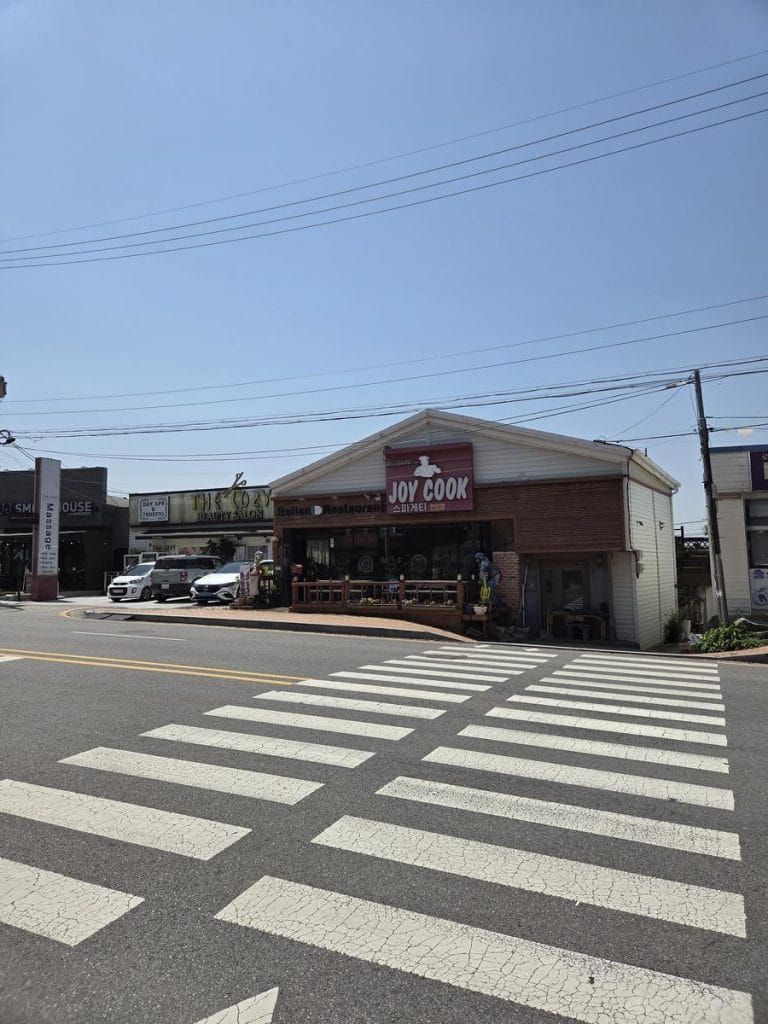
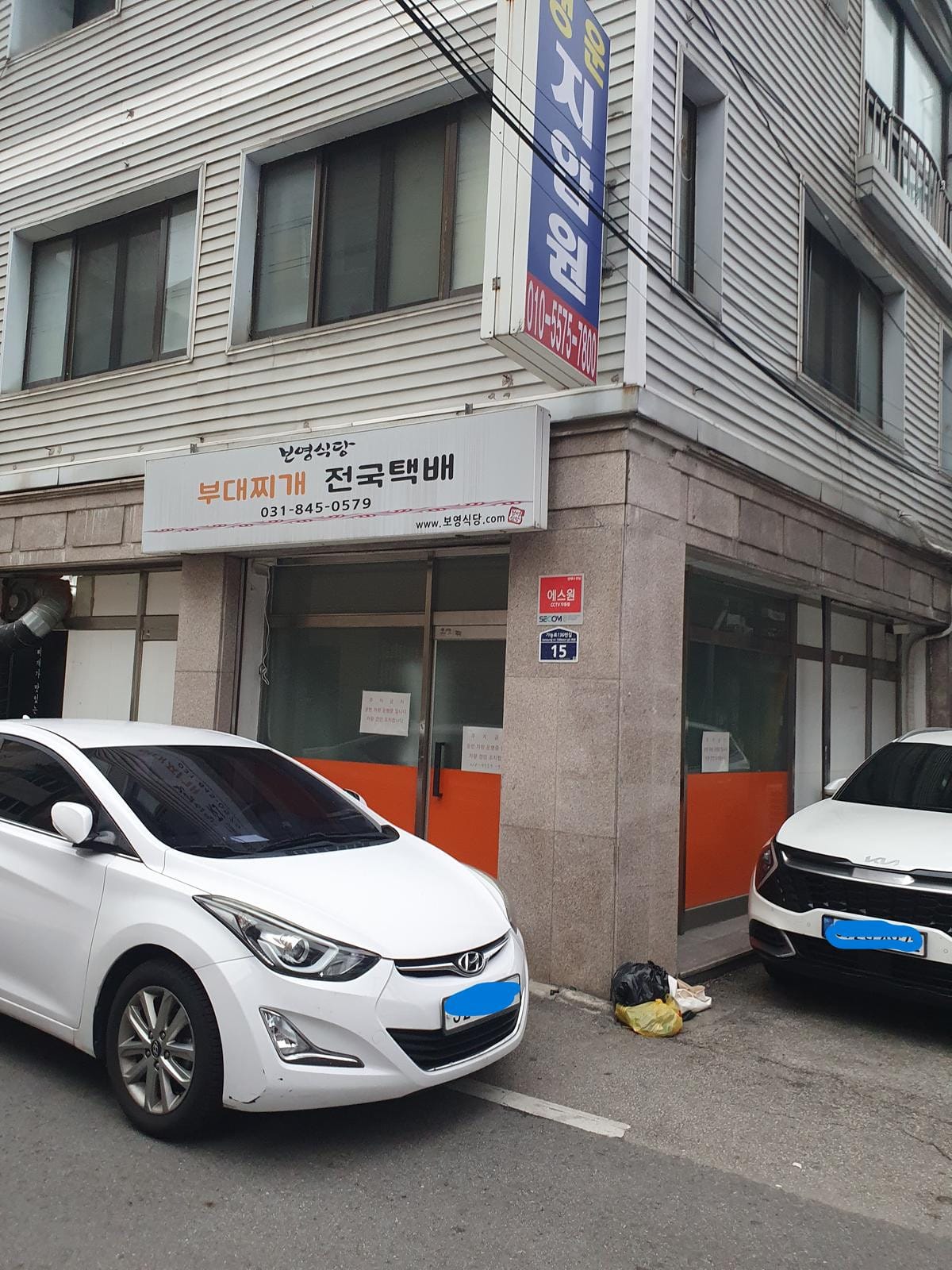
If you take a stroll down any busy commercial street or older residential neighborhood in Korea, you will be met with a wall of metal. I remember walking down a narrow alley, hearing the low hum of engines, and feeling the heat radiating from exhaust pipes as multiple vehicles were wedged so tightly against storefronts that pedestrians had to weave through the bumpers. It is common to see several cars parked tightly together on a paved surface directly in front of a storefront.
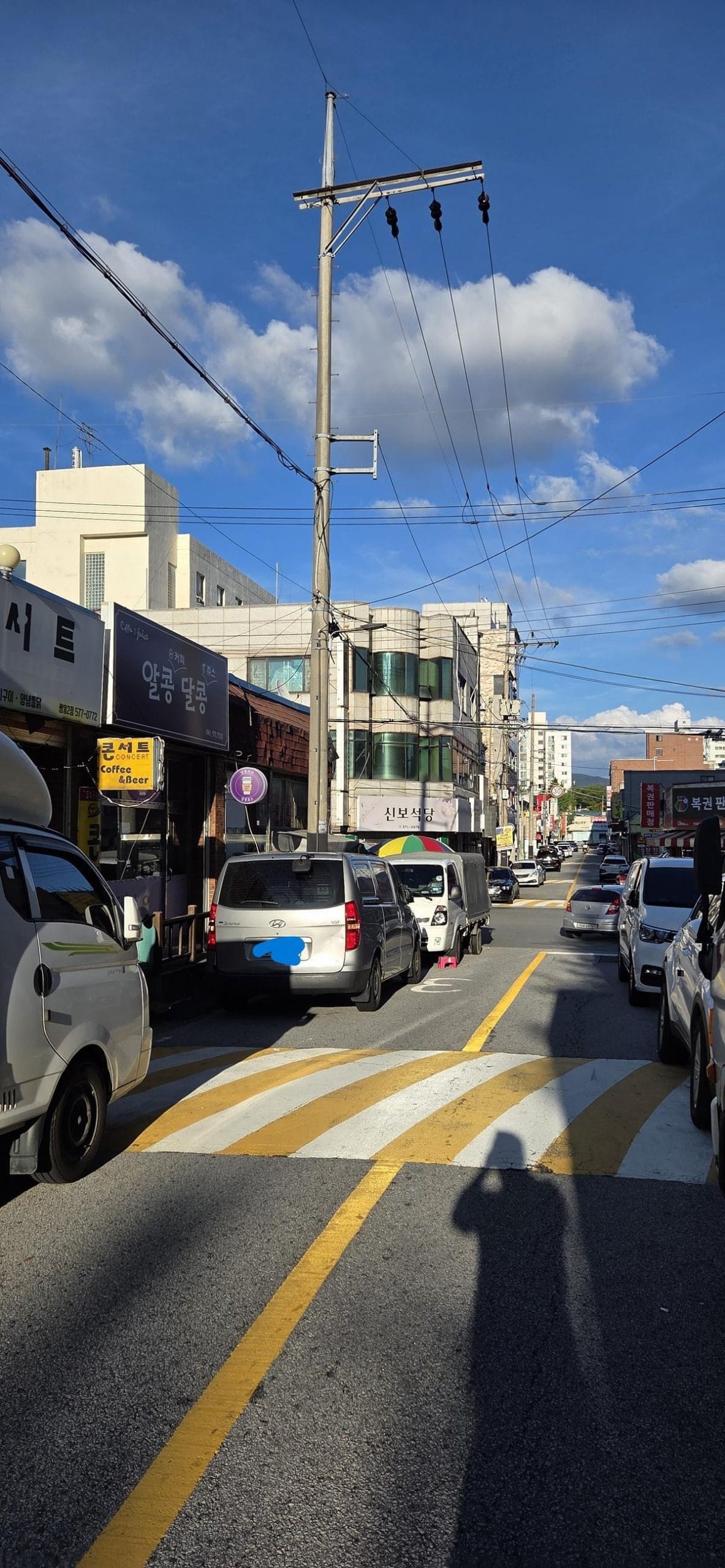
Illegal street parking is a frequent occurrence, especially around bus stops, crosswalks, and even fire hydrants. Because older buildings lack sufficient underground facilities, drivers often have no choice but to squeeze their cars wherever they can fit. While driving in Korea is generally safe, this street parking situation can be frustrating because it blocks pedestrian walkways and can delay emergency vehicles like ambulances and fire trucks. Before you decide to follow the locals and pull up on a curb, be aware that enforcement is increasing, and you might end up with a nasty surprise on your windshield.
The Officetel & Apartment Parking Struggle
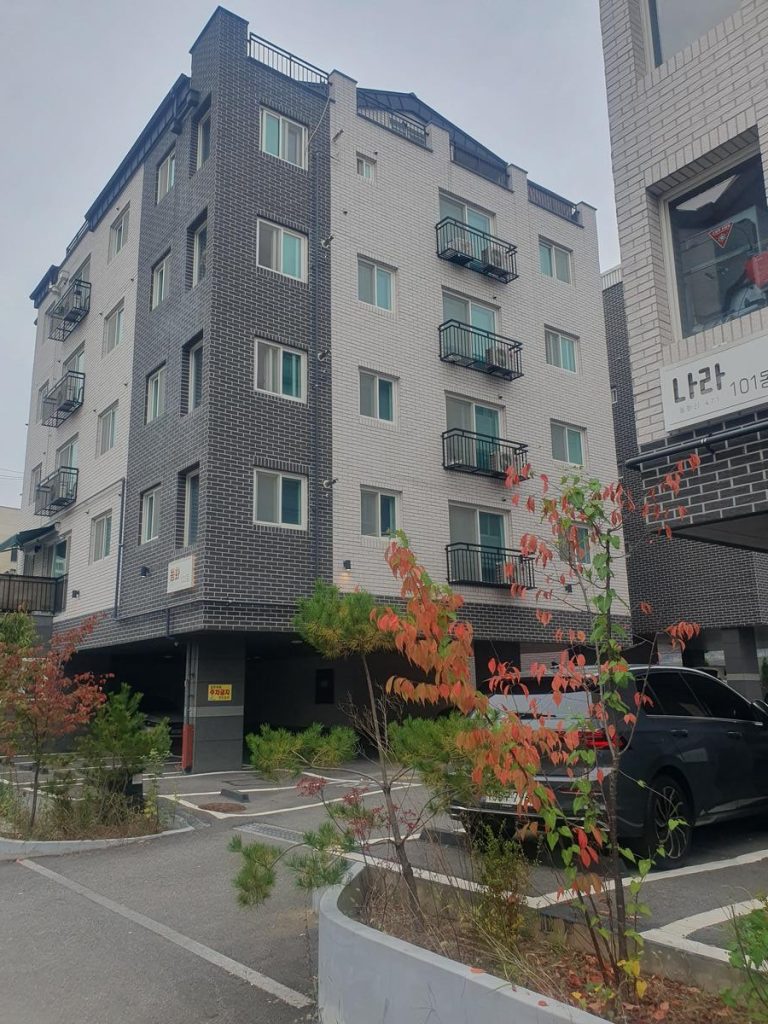
When I first returned to Korea, I lived in an officetel for a year, and the parking situation was an absolute nightmare. The building had far fewer parking spaces than actual residents. I remember driving into the dimly lit indoor parking garage, the smell of damp concrete heavy in the air, and seeing vehicles squeezed into very narrow, tight spaces, often blocking each other in.
Airport parking is a different animal entirely — Gimpo quietly runs a multi-child family parking discount that now covers pregnant mothers expecting a second child, though claiming it means using the right refund button on the portal.
This is where I learned the fine art of Korean double parking. The ground lot only had a few spots, and most required you to park behind another car, blocking them in. To make this work, you must leave your car in neutral gear with the parking brake off so that the blocked driver can physically push your car out of the way. You also must leave a small plaque with your phone number visible on the dashboard. I always carried a small stand with my number on it.
When I explained this to a Japanese friend, they were shocked. They asked if leaving personal information like a phone number for anyone to see was a privacy risk. But because South Korea is a high-trust society, this system mostly works without issue. Still, the hassle was real. Often, after getting off work, there were zero spots left, and I would comfortably walk 10 minutes to park at the nearby City Hall instead.
Eventually, we moved to a newer complex. Living in apartments in Korea that are newly built means the ground level is beautifully landscaped with parks and no cars, while massive underground garages take the load. However, even in my new building, if I arrive home after 9 PM, I still have to park far away from my building entrance.
The Blue Sponge Mystery
If you have looked closely at cars in Korea, you have probably noticed a strange phenomenon. I remember leaning in closely on a bright afternoon and seeing a blue rectangular foam sponge attached directly to a car door edge. It looks almost like a piece of packing material that someone forgot to remove.
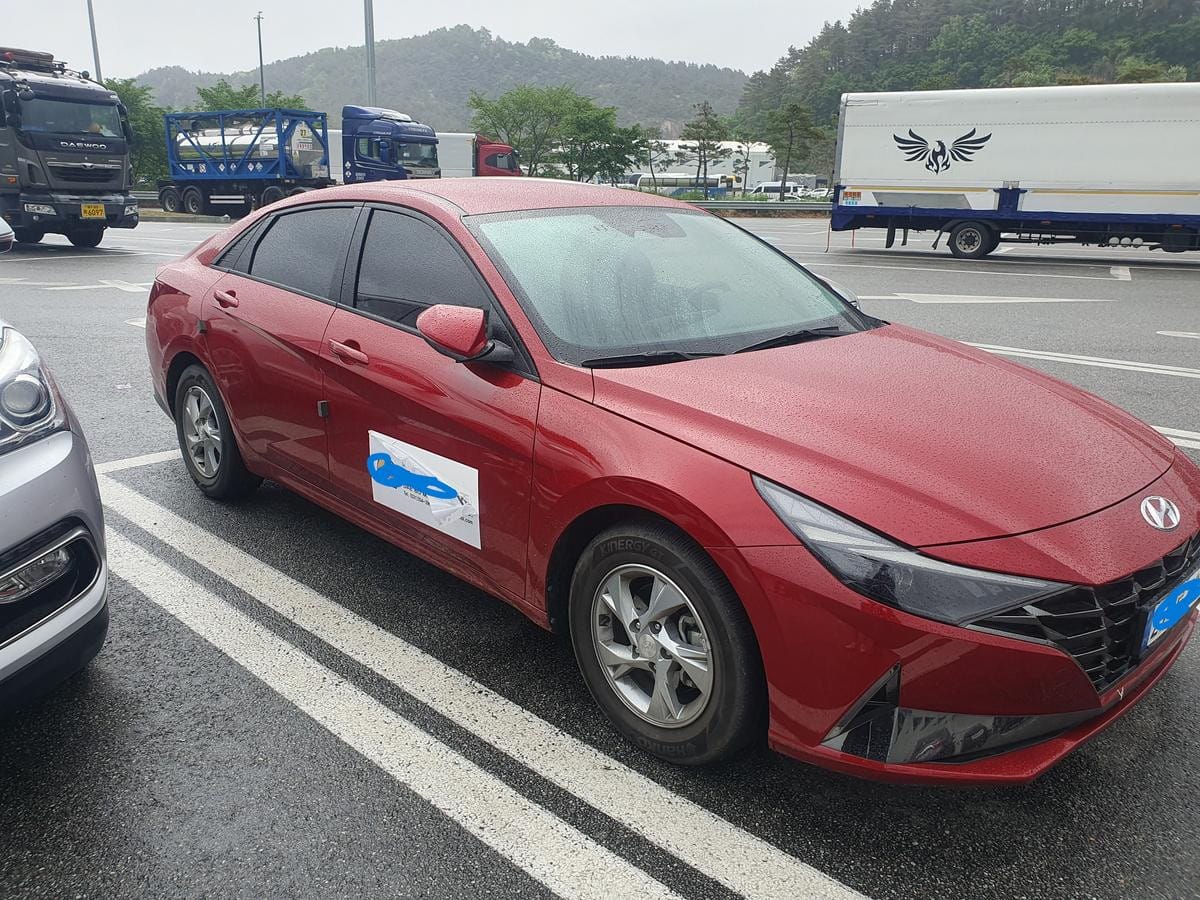
Because Korean parking spaces are notoriously narrow—the standard width is often just 2.5 meters—drivers developed this unique culture of attaching blue sponges (commonly sold at Daiso) to their door edges. This prevents “moon-kok” (문콕), which translates to “door dings”. It is a brilliant, inexpensive way to prevent scratching your neighbor’s car when you are trying to squeeze yourself and your baby stroller out of a ridiculously tight spot. Because of these tight spaces and the local “ppalli-ppalli” (hurry up) culture, you will also notice that almost everyone reverses into their parking spots to make leaving faster.
Comparing with Japan & Australia
Having spent significant time in Japan, the difference in road traffic infrastructure and parking etiquette is fascinating. I vividly remember pulling up to a paved outdoor parking lot in Tokyo, the ground neatly marked with painted yellow lines, numbers, and clear Japanese text indicating the strict paid rules.
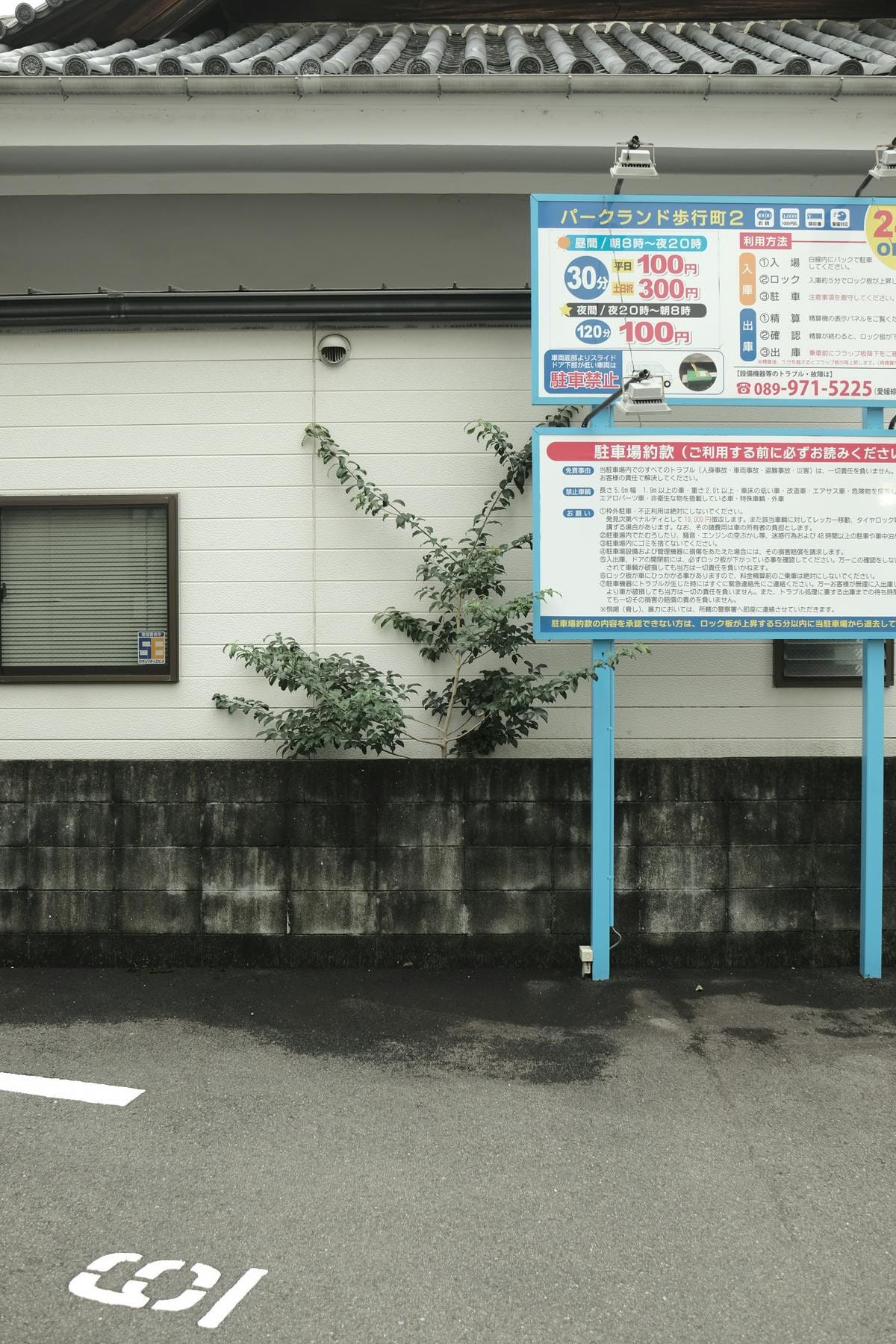
In Japan, the streets are spotless, and illegal parking is nearly non-existent. This is largely due to the “garage certificate” system introduced in 1962. To even register a car, you must prove you have a parking space within 2km of your residence. If you violate Japan’s strict parking laws, you face a fine of up to 200,000 yen (about 2 million won) or even imprisonment. Furthermore, Japan utilizes pairs of parking wardens in green uniforms (often nicknamed “green bugs”) who ruthlessly ticket offenders.
In Australia, the system relies heavily on vast space and paid infrastructure. The parking lots are huge, and you usually prepay at a coin machine and place the ticket on your dashboard. Yellow-clad inspectors constantly patrol the areas. In contrast, finding a proper paid parking lot in Korea can sometimes be difficult, forcing drivers into uncomfortable street parking situations.
Enforcement, Tickets, and Fines
While Korea might seem lenient compared to Japan, enforcement is tightening. The sound of a loud siren often echoes through my neighborhood right before a large tow truck arrives, lifting and transporting a smaller car away from a city street that was clearly marked as a no-parking zone.
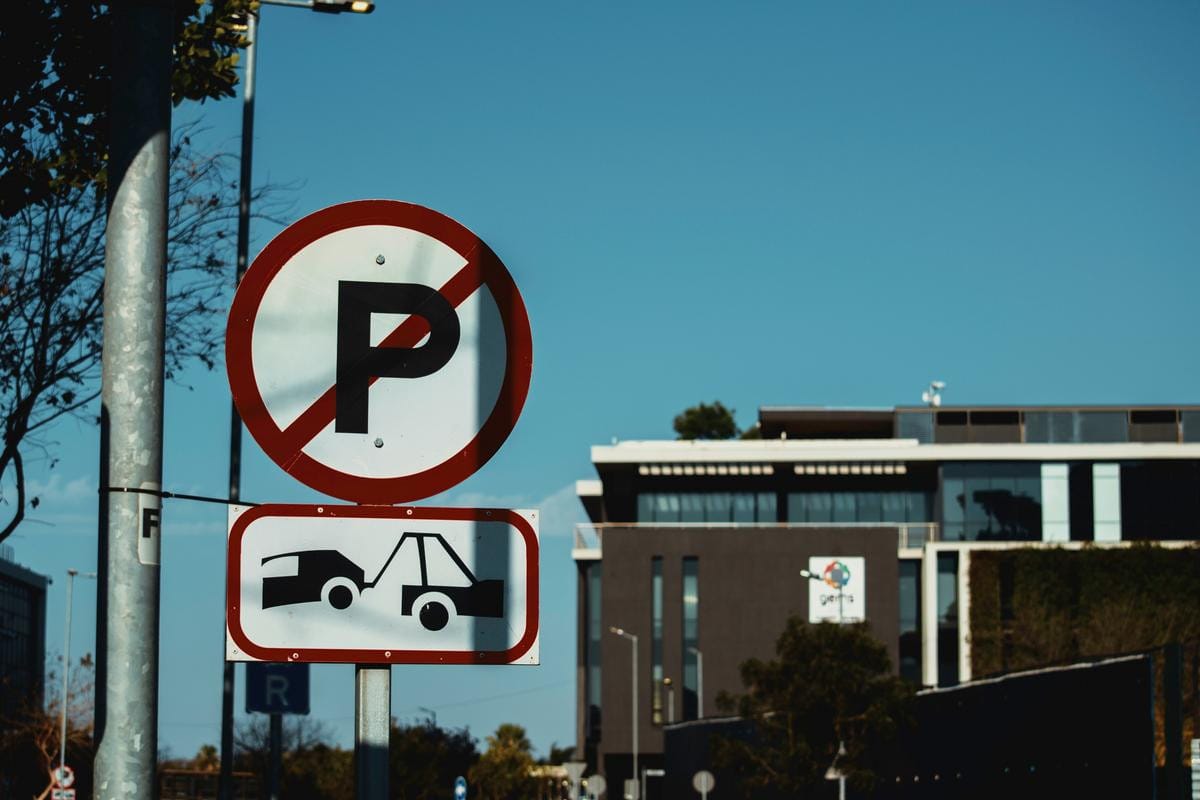
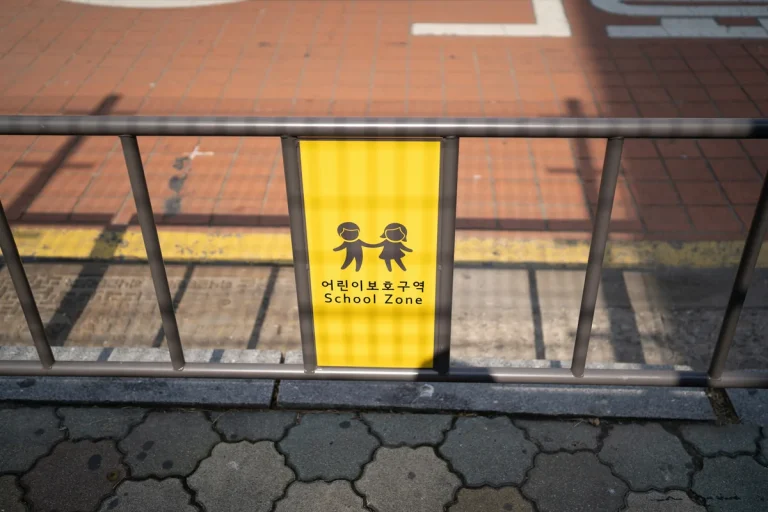
If you park illegally, especially in designated red zones (like near fire hydrants) or school zones, you risk getting towed or returning to find a yellow parking penalty charge notice tucked underneath your black windshield wiper.
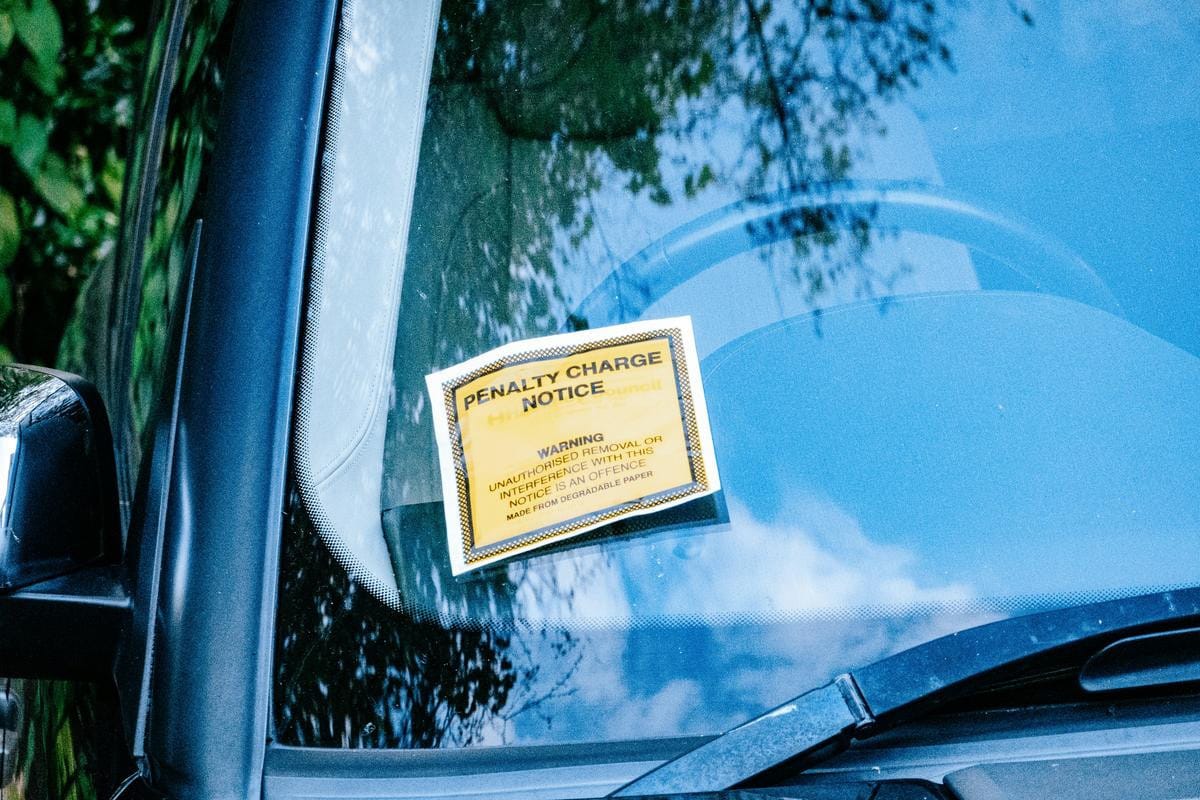
The fines and penalties are increasing. In Japan, fines can reach up to 18,000 yen for a standard violation, with demerit points that can quickly lead to license suspension. While Korea’s standard fines are cheaper (around 40,000 won), accumulating tickets is a surefire way to ruin your weekend.
Survival Tips for Expats
- Embrace the Reverse: Practice backing into parking spots. It is the norm here and makes exiting much safer.
- Leave Your Number: Buy a cheap dashboard number plate from Daiso. It is mandatory etiquette if you ever need to double park.
- Learn Neutral Parking: If you must block someone, turn off your engine, shift to neutral (N), and release the parking brake so your car can be pushed.
- Use Public Lots: Search for “공영주차장” (Public Parking) on Naver Maps. They are usually cheap and much safer than risking an alleyway.
At the end of the day, squeezing my SUV into a tiny basement spot while hoping my door sponge protects my paint job is just another part of my life here in Hwaseong. It was stressful at first, but it quickly became an everyday routine that connects me to the shared struggles of my Korean neighbors. The next time you see a car beautifully reversed into a microscopic space with a blue foam block on the door, you will know exactly what it takes to survive Korean parking culture. Don’t be afraid to rent that car and explore—just remember to pack your patience.
Arriving in Korea soon?
Don’t navigate your first day alone
I meet you at Incheon or Gimpo airport and guide you through everything — SIM card, T-money, transport, and getting to your accommodation. Personal support from $180.
Book arrival support →