📌 Quick Summary:
Korean restaurant etiquette has quietly shifted since COVID. The shared pot is still on the table, but dipping your personal spoon directly into it is increasingly out. Individual bowls, communal ladles, designated tongs, and self-serve utensil drawers are the new normal. You don’t need to memorize a rulebook — just know where to look and what tools to use.
When I take my family out for a weekend lunch in Hwaseong, I’m not thinking about etiquette. I’m thinking about whether the restaurant has a high chair. But I remember clearly what it felt like the first time I watched a foreign friend freeze at a Korean restaurant table — eyes moving between the bubbling jjigae in the center and his personal spoon, trying to figure out the unwritten rule. Understanding korean restaurant etiquette today means understanding a system that has genuinely changed, and that change connects directly to communal food traditions like kimjang — deep cultural habits that are always evolving, never static.
The Myth of the Ancient Shared Pot
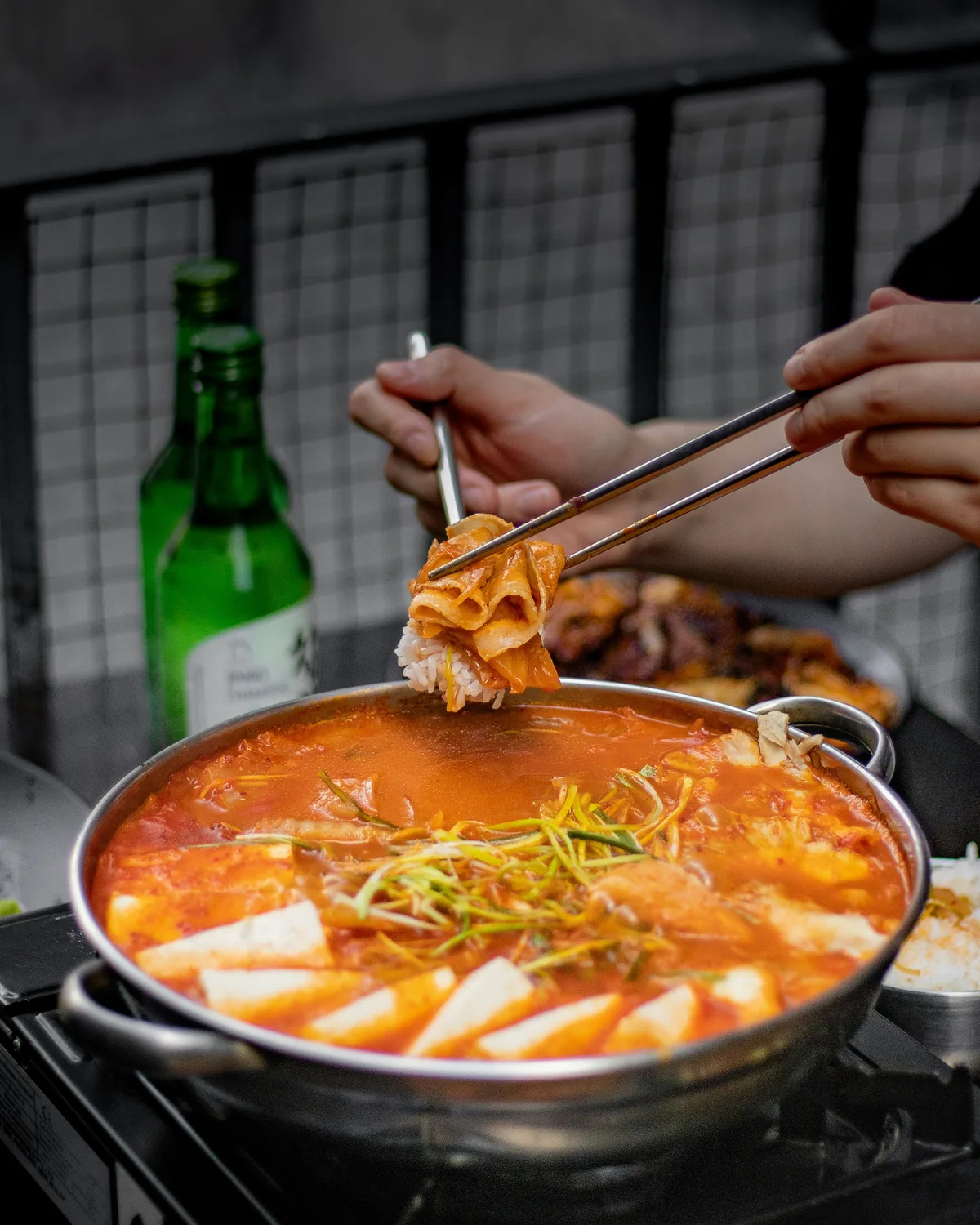
Here is the thing most guides get wrong: dipping your personal spoon directly into a communal pot of jjigae (stew) was never some ancient Korean ritual. It developed largely out of necessity — severe dishware shortages during the Japanese colonial period and the Korean War meant people shared what they had. Survival, not ceremony.
The concept of jeong korean culture — 정 (jeong), that untranslatable feeling of deep affection and communal bond — gets attached to this practice constantly. But the real jeong I remember from food had nothing to do with a shared pot. It was elementary school. We packed lunchboxes, pushed our desks together into a cluster, and passed around our side dishes. You’d taste a friend’s japchae and tell him his mother’s cooking was incredible. That was jeong. Kids today eat in school cafeterias. That particular ritual is already gone.
The post-pandemic shift simply accelerated what was already a quiet social preference. Even before COVID, using communal tongs at a BBQ grill rather than your personal chopsticks was considered good manners. Older Koreans cared less about this distinction. Younger Koreans and urban restaurants were already moving toward hygiene. COVID made it official.
In 2020, the Ministry of Agriculture, Food and Rural Affairs launched the 안심식당 (Safe Restaurant) certification, with three core requirements: using separate serving plates, hygienically managing cutlery, and staff wearing masks. I’ll be honest — I had never noticed a certification sticker at any restaurant in Hwaseong until I looked it up for this post. The policy didn’t land visibly on the ground at the local level. But the cultural shift it was pushing? That landed completely.
The Table Setup: Why You Are the Server
Sit down at a Korean restaurant and do not wait for a server to bring you a napkin, pour your water, or set your place. That is not how this works.
Korean restaurants run on lean efficiency. Lower labor costs mean lower menu prices. The trade-off is that the burden of table setup falls to you. Once you know this, it takes ten seconds. If you don’t know it, you’ll sit there confused for five minutes.
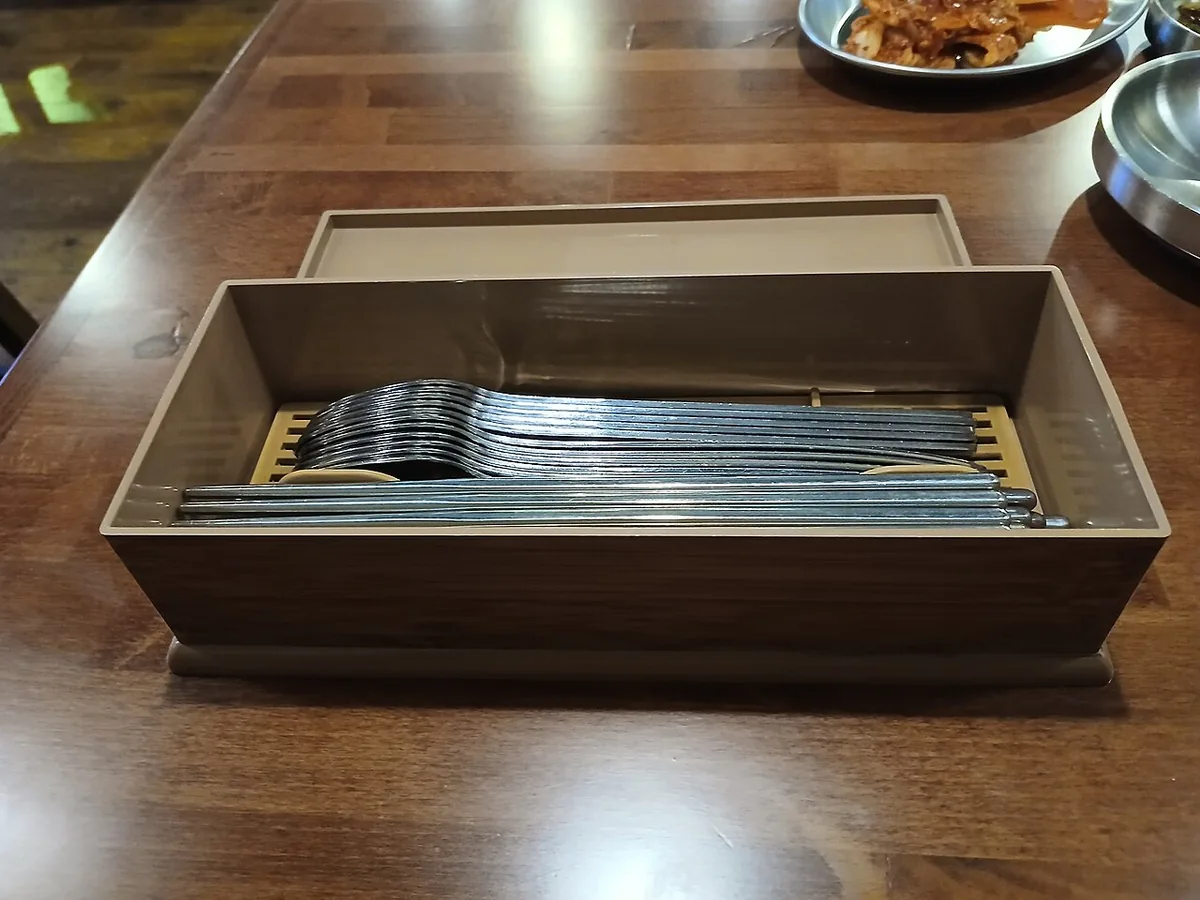
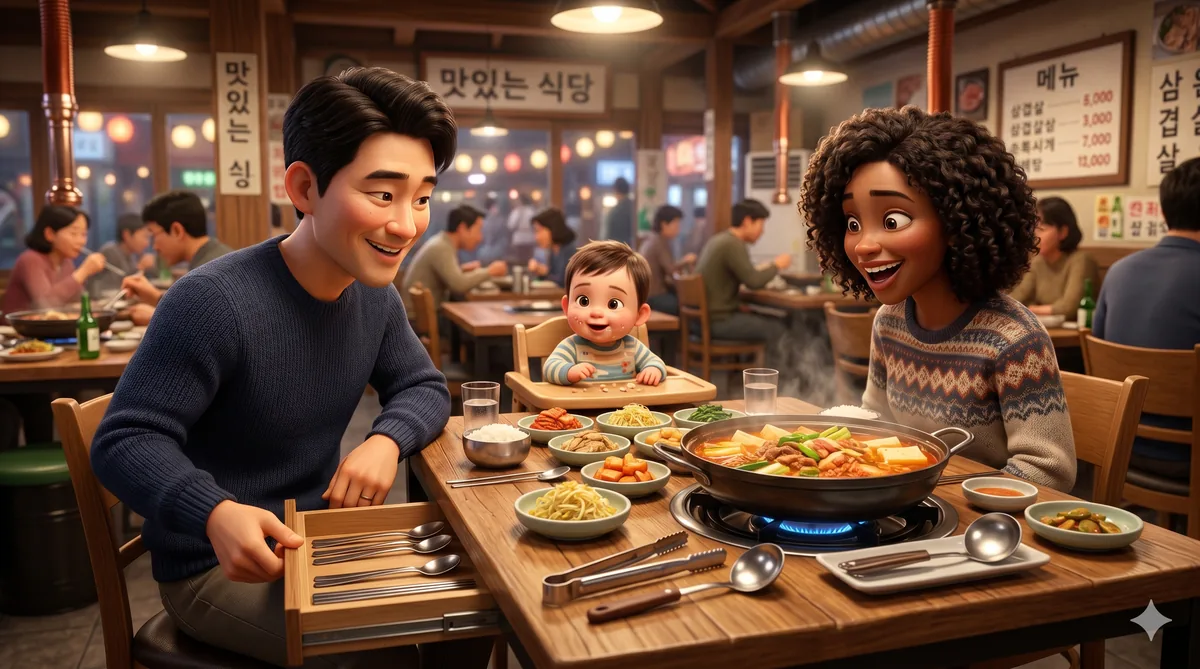
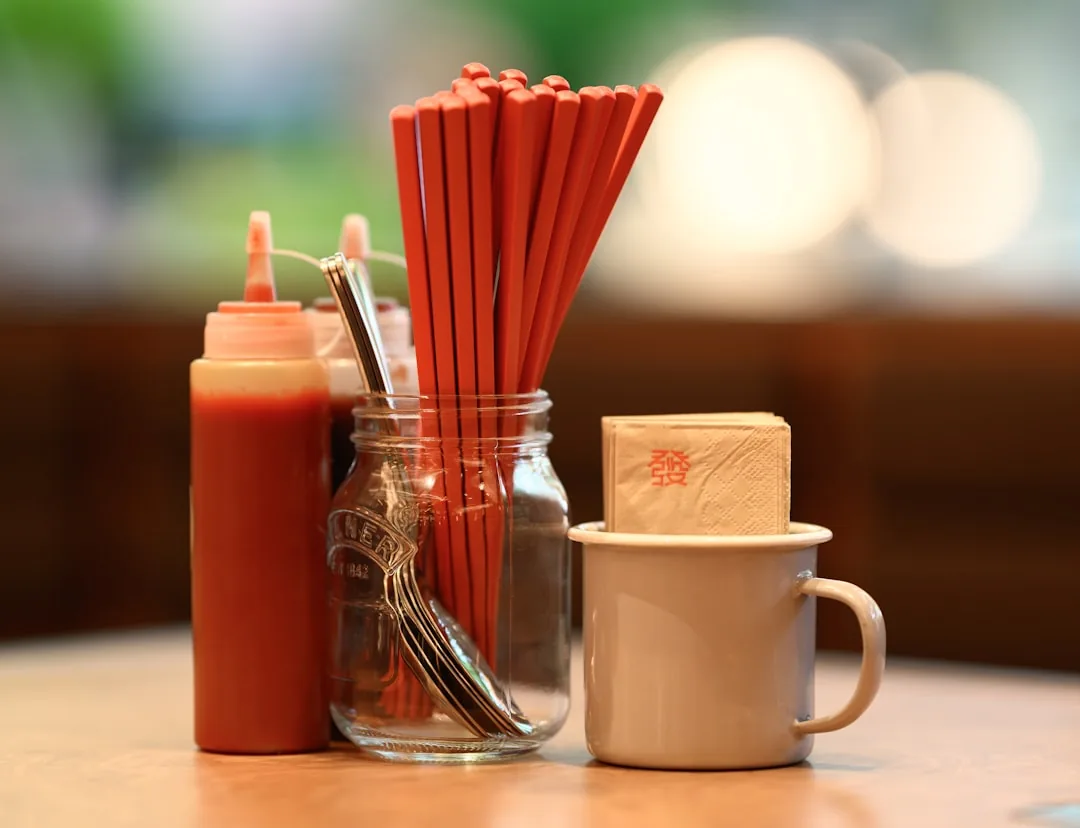
- The 수저통 (sujeotong) — Utensil Box: Your spoons, chopsticks, and napkins are almost always in a wooden or plastic box sitting on the table. If the box isn’t on the table, check the pull-out drawer directly underneath the table edge, within easy arm’s reach. It’s there 99% of the time. The 1% is staff forgot to stock it — just point and ask.
- Water: Often self-serve near a water purifier at the side of the restaurant. Look for a 셀프 (selpeu) sign — it means help yourself.
- Condiments: Salt, pepper, or dadegi (다대기 — spicy chili paste) are left on the table for you to season your own soups.
💡 Pro Tip:
If your table is missing utensils entirely, don’t panic. Hold up your hand, catch a staff member’s eye, and point under the table or mime using chopsticks. No Korean required. They’ve seen it before.
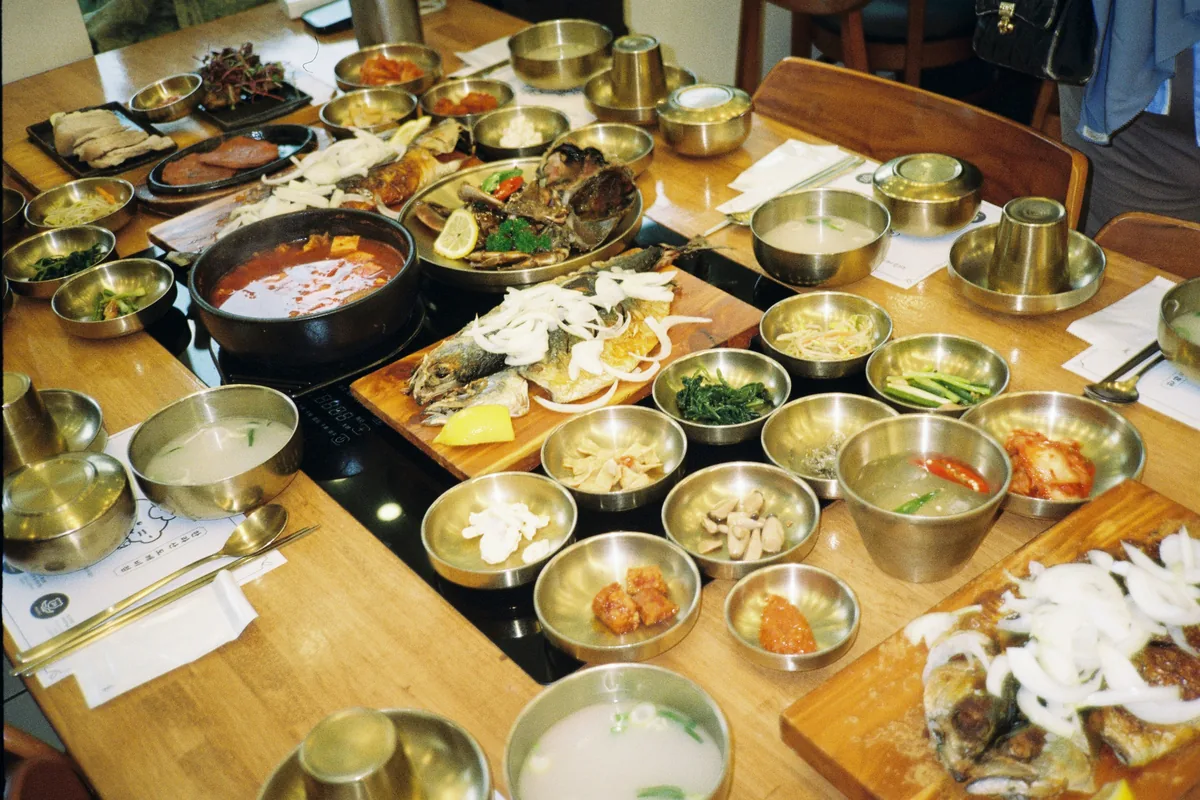
The New Normal: How Sharing Food in Korea Actually Works Now
The communal pot is not going anywhere. The energy and warmth of Korean dining — multiple dishes covering every inch of the table, food arriving in waves, people reaching across each other — that is not changing. What changed is the tools.
This is worth understanding because it mirrors a distinction I noticed living in Japan for five years. In Japanese dining culture, using your personal chopsticks to take food from a shared dish — called jikabashi — is considered genuinely poor manners. When no serving utensils are available, Japanese diners will flip their chopsticks and use the clean end, the part their fingers touch rather than their mouths. It’s a small gesture, but it signals awareness of shared hygiene. Korea is arriving at a similar place through its own cultural logic, not importing Japan’s rules. As Korea’s high-trust social culture continues to evolve, hygiene norms in public spaces — including restaurants — are part of that shift.
Here is how sharing food in Korea actually works at a table today:
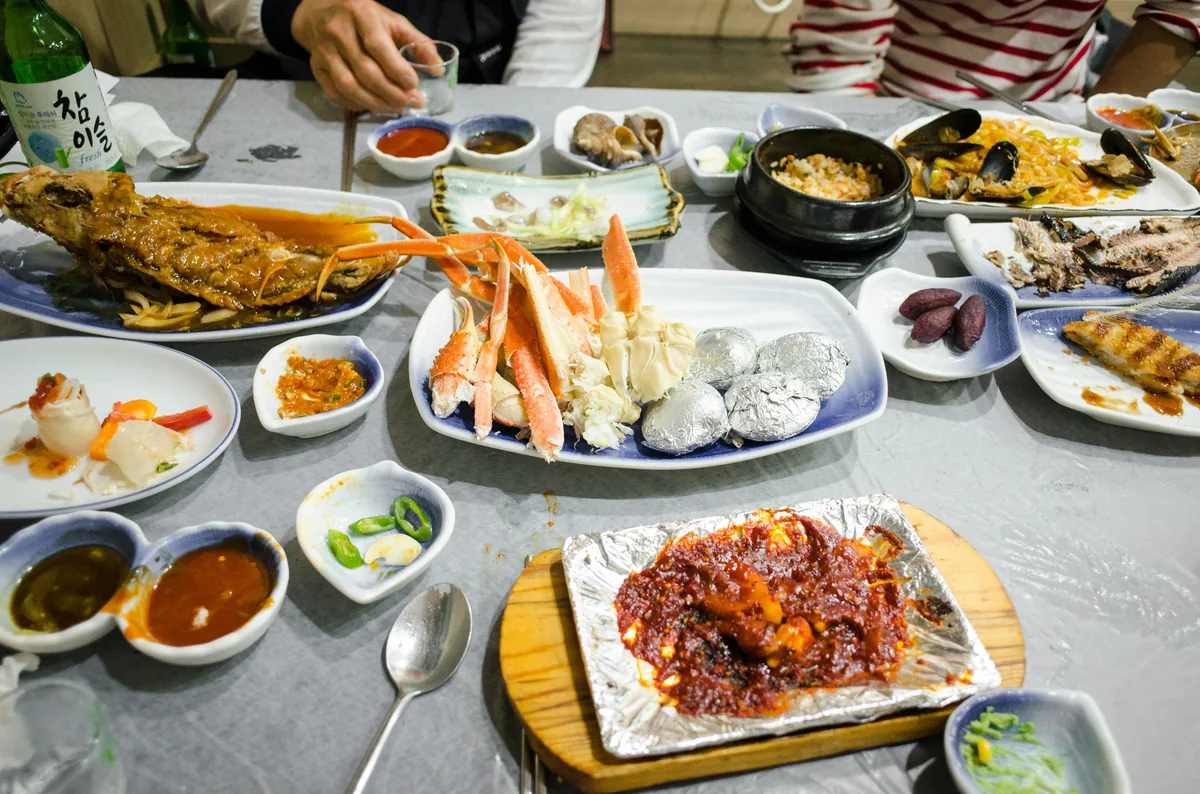
- Communal pots and stews: A ladle (국자, gukja) and often an individual bowl will come with the dish automatically. If they don’t, point at the pot and say 그릇 (geureut — bowl) or 접시 (jeopsi — plate). Staff will bring one. This is a completely normal request and no one will look annoyed.
- Use your 앞접시 (apjeopsi — front plate): Transfer food from communal dishes to your personal front plate before eating. Don’t eat directly from the shared dish.
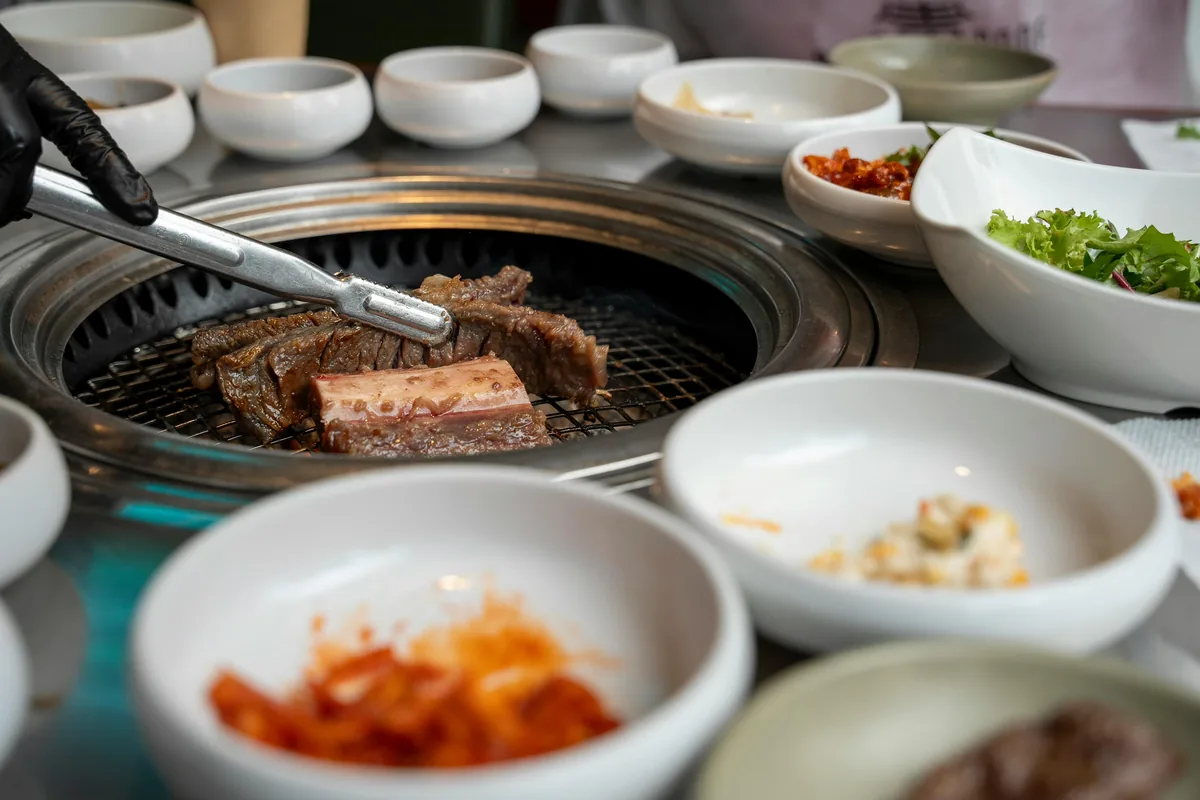
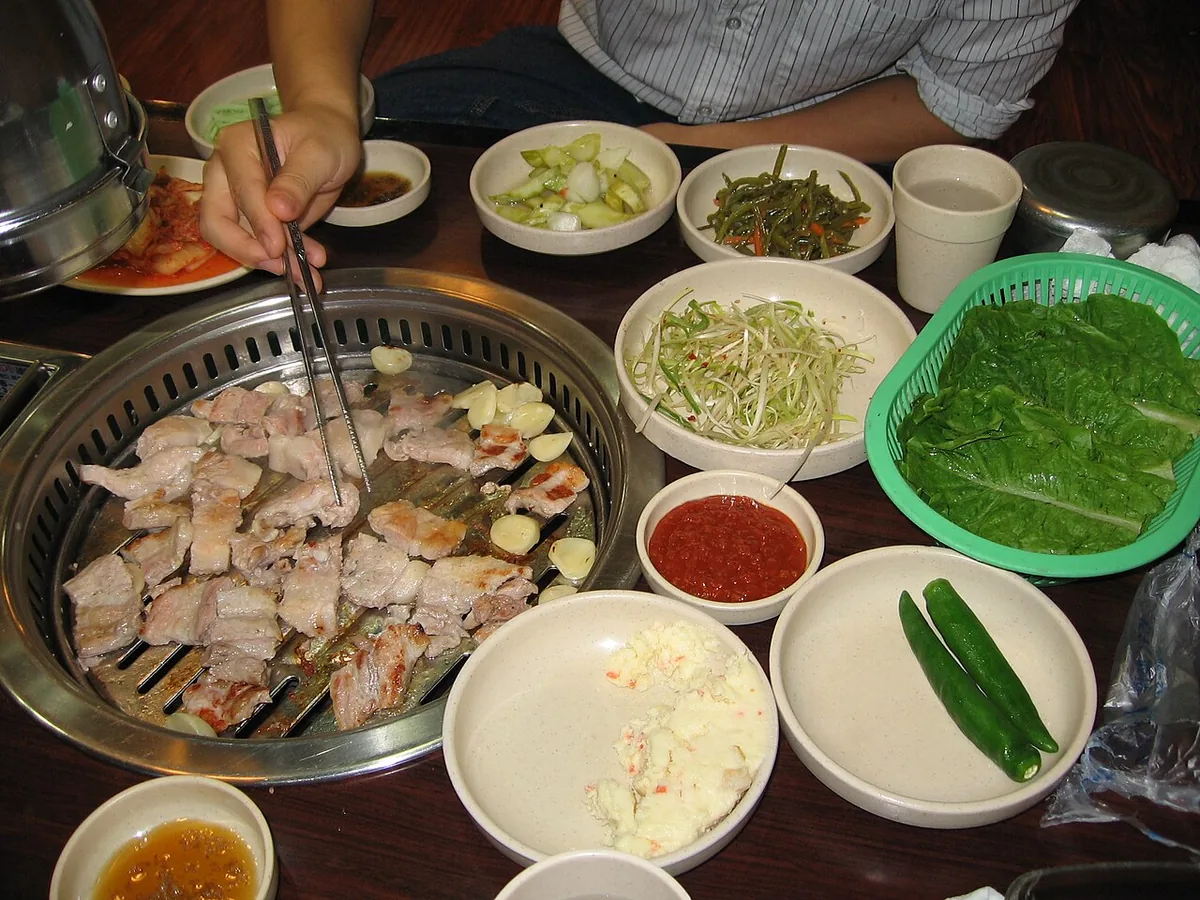
- BBQ tongs: At a Korean BBQ table, the 집게 (jipge — tongs) on the grill are for everyone. Use them to flip meat and transfer pieces to your plate. Do not use your personal chopsticks on the communal grill surface.
- No double-dipping: Once your spoon or chopsticks have been in your mouth, they stay on your personal plate or bowl — not back into a shared dish.
- Setting the table for others: If you’re pulling utensils from the 수저통 for your dining companions, hold them by the middle or the handles — never by the end that goes in someone’s mouth.
💡 Pro Tip:
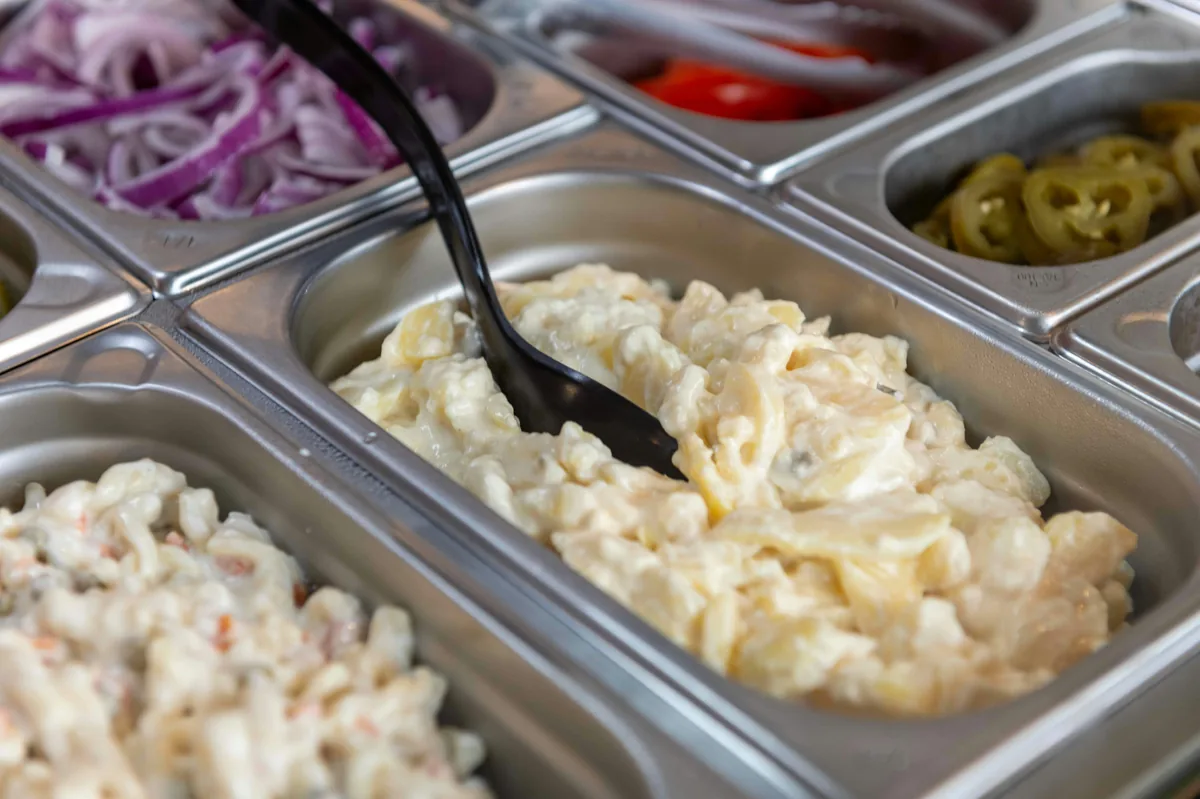
At self-serve banchan (side dish) stations or buffets, close the lid immediately after serving yourself. It protects the food and it’s considered basic courtesy.
Not sure how to navigate a specific situation — a confusing menu, a staff interaction you can’t quite manage in Korean, or paperwork connected to your life in Korea? JustAskJin can help you work through it directly.
Paying the Bill: Three Systems Running at Once
This is the part no etiquette guide ever covers, and it’s where foreigners visibly stall. There is no single system for paying at a Korean restaurant. Three versions currently coexist:
- Table card machines: Increasingly common. A small card reader sits on or near the table. You can see the total on the screen and tap your card when you’re done. No interaction with staff required.
- Pay at the counter: The traditional method. When you’re finished, walk up to the front, tell staff your table number, and pay there. Nobody brings you a bill — you go to it.
- Group split via bank transfer: For group meals, it’s very common for one person to cover the entire bill and for everyone else to send their share via a banking app afterward. Cash is rarely used in Korea now.
The simplest rule: when in doubt, watch what the table next to you does when they finish. Or just walk toward the counter. Staff will handle the rest.
❓ Frequently Asked Questions
Is it still acceptable to share food directly from the same pot in Korea?
It’s less common now, especially in urban restaurants. Modern korean restaurant etiquette has shifted toward using a communal ladle to transfer food into individual bowls rather than dipping personal spoons directly. Among close family or old friends, some still eat the old way — but using separate tools is broadly considered better manners today.
Where are the utensils and napkins at a Korean restaurant?
Check the 수저통 (sujeotong) — a box on the table holding chopsticks, spoons, and napkins. If it’s not visible, pull open the drawer directly under the table’s edge. It’s almost always there. Korean restaurants are self-service by design, so setting your own place is part of the routine.
What is jeong and why is Korean food sharing changing?
Jeong korean culture — 정 — is the deep sense of communal affection and bonding that defines many Korean social interactions. Sharing food has always been part of that. But hyper-communal habits like double dipping in Korea were never ancient traditions — they developed from wartime dishware shortages. As hygiene awareness grows, especially post-pandemic, the expression of jeong is shifting to communal energy and generosity rather than shared utensils.
How do you properly serve food from a shared dish to your plate?
Use the designated serving utensil — a ladle (국자, gukja) for soups and stews, tongs (집게, jipge) for meats. Transfer the food to your personal front plate (앞접시, apjeopsi) before eating. If no serving utensil is provided, it’s completely fine to ask staff for one.
How do you pay at a Korean restaurant?
Most Korean restaurants don’t bring the bill to your table. Either use the card machine on or near your table, or walk to the front counter when you’re done and pay there. For group meals, one person typically covers the bill and the rest transfer their share via a banking app. Cash is rarely needed.
Navigating Korean daily life goes beyond the restaurant table
From confusing paperwork to language barriers at local offices, life as a foreigner in Korea throws up friction you can’t always Google your way out of. JustAskJin is here for exactly those moments — practical help from someone who actually lives this life in Hwaseong.
Ask Jin a Question