She said she knew her body. Her cycle ran like a Swiss watch — and it hadn’t come for weeks longer than it should have. We were at home when she told me. I felt like someone had hit me over the head. Not in a bad way. In the way where the world tilts slightly and everything you thought was solid suddenly has a little give in it. I didn’t let myself get excited. We didn’t know anything yet.
That was the beginning.
Our daughter is eight months old now. She was born early — very early — and the road from that first moment of suspicion to where we are today has been the most complicated, exhausting, and quietly beautiful thing I have ever lived through. We are a multicultural family: I am Korean, my wife is from South Africa, and we live in Hwaseong-si in Gyeonggi-do. Almost everything administrative — every form, every phone call, every government office — went through me, whether it was navigating hospital registrations or figuring out how to apply for a dual citizen baby passport. Not because my wife couldn’t handle it, but because the system runs in Korean, and that’s just the reality of our situation.
I wrote this because I want someone else to have the background information I didn’t have. If you are a foreign spouse feeling like the system wasn’t built for you, or a Korean partner carrying the full weight of the paperwork while also trying to hold your family together — this is for you.

Pre-Marriage & Before Pregnancy: The Paperwork Starts Earlier Than You Think
Most couples don’t think about government benefits until the baby is already on the way. I understand that. But Korea’s support system actually begins at the marriage stage, and some of what’s available then lays the groundwork for everything that follows, from medical coverage to eventually buying a baby car seat in Korea.
The biggest practical question for multicultural couples is always the same: does my foreign spouse qualify?
In our experience, the honest answer is: more often than you expect, yes. The key factors are whether one parent holds Korean citizenship and whether both partners are enrolled in Korean national health insurance. My wife was working at a Korean company, which meant she was covered. That single fact opened the door to most of what we needed.
When anything was unclear — and plenty of things were — I called. The local community center (주민센터), the Bogunso (Public Health Center), the city welfare office. I didn’t guess. I picked up the phone. It felt inefficient at first, but it was always faster than reading through government websites trying to interpret bureaucratic language. If you take nothing else from this article, take that. Just call them.
👉 Read the full guide: How We Registered Our International Marriage in Korea
👉 Read the full guide:How We Got the F-6 Spouse Visa in Korea: Step-by-Step
Pregnancy: The National Happiness Card and the Bogunso You Shouldn’t Skip
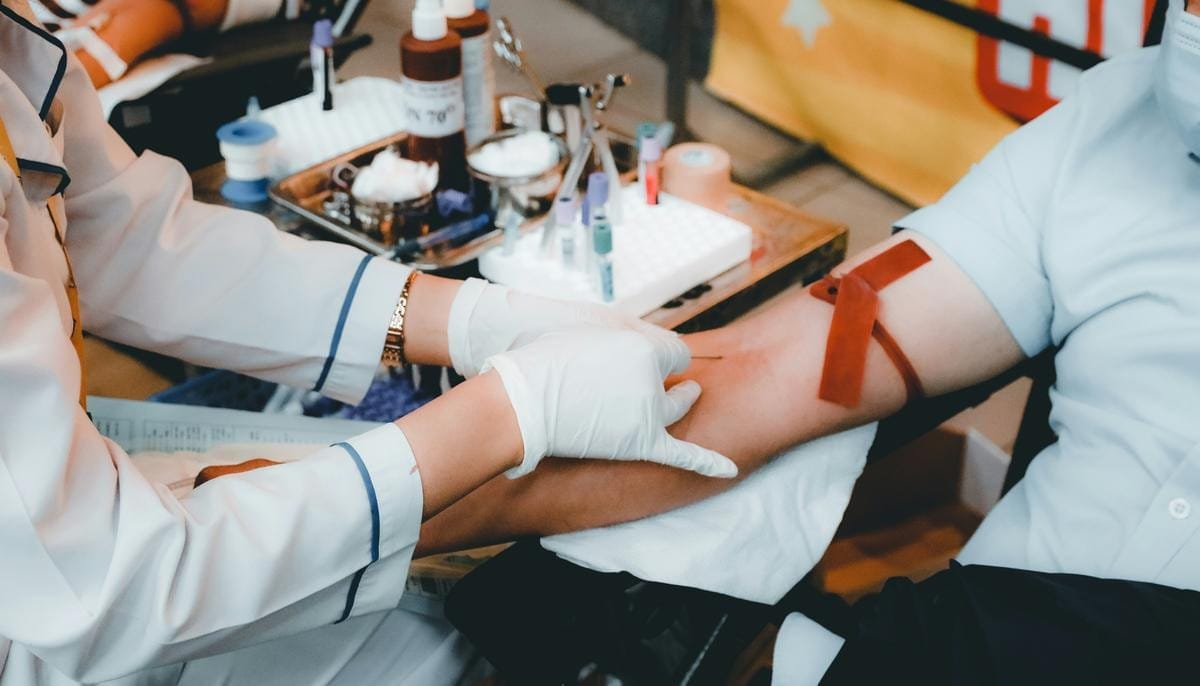
Once the pregnancy was confirmed, the first thing I focused on was the Kookmin Haengbok Card — the National Happiness Card. This is the single most important benefit to secure during pregnancy. It functions as a government-loaded voucher covering a significant portion of prenatal medical bills. Apply for it early. Do not wait until you feel settled or organized, because you won’t feel either of those things for a while.
The Bogunso — your local Public Health Center — is the other place people often skip because it feels low-priority. It isn’t. They provide free folic acid, iron supplements, flu vaccinations for pregnant women, and subsidies for tests that would otherwise cost you at clinics. They also run health programs that, while sometimes only available in Korean, are worth investigating case by case.
One benefit that genuinely surprised me was the 임산부 친환경농산물 지원 — the organic agricultural produce subsidy for pregnant women. It sounds minor on a government list. It wasn’t minor at all. Fresh fruit and vegetables, top quality, delivered directly to our apartment door within a week of applying. I paid very little. The produce was better than anything I would have picked off a shelf. I remember thinking: they cover this too?
The same thing happened again months later, at Gimpo Airport of all places — a parking refund for mothers pregnant with a second child that almost nobody seems to know about.
That moment changed how I approached the whole list. I stopped assuming things would be complicated or inaccessible and started actually checking each item properly.

👉 Read the full guide: Gyeonggi Gugak Center: ₩10,000 Concerts for Pregnant Women
The Saturday That Changed Everything
I need to tell you about a Saturday in a way that a benefit checklist never could.
I was on a business trip in Chicago when my wife first noticed something felt different. The baby wasn’t moving the way she usually did. But we had a regular checkup scheduled soon, and my wife told herself she was probably overreacting. She told me on Thursday when I got back. On Friday she said she felt the baby move again — maybe she had been worried over nothing.
While our family’s NICU experience taught us about hospital costs and premature birth procedures, the practical next step for any expat parent is to understand Korea’s parental leave eligibility, benefit amounts, and the application process—which now operates differently under 2025 notification-based rules.
** As a multicultural family settling into Korea, from managing healthcare logistics to planning your first apartment move, understanding Korean cultural practices like Son Eopneun Nal and local services such as Soomgo helps ease the transition.
As you settle into life with a newborn in Korea, one of your earliest administrative hurdles will be securing safe, legally protected housing—our comprehensive guide to navigating Korean rental contracts for expats walks you through every step, from Alien Registration Card requirements to fraud prevention.
** Many expat families don’t realize that understanding Korean labor laws and social insurance benefits directly impacts parental leave eligibility and government childbirth support access.
Parents managing their own allergies while caring for newborns should consult resources on allergic rhinitis treatment in Korea, as untreated symptoms can affect sleep quality and infant care routines.
** For the latest breakdown of 2026 government support including expanded parental leave benefits and C-section cost coverage, read our comprehensive guide to South Korea expat childbirth support.
** Beyond pregnancy and birth, maintaining your health as a multicultural parent in Korea includes managing your diet and activity levels—particularly when navigating Korea’s convenient delivery culture while staying mindful of blood sugar and nutrition.
For multicultural families with children approaching school age, it’s worth noting that Korea’s 2023 age law reforms still left school entry tied to birth year, not the new international counting method, so timing can vary depending on which system applies to your child’s cohort.
Beyond hospital bills and recovery, there’s a critical government benefit for premature and low-birth-weight babies that many expat families miss—here’s what we learned about applying for premature baby healthcare cost reduction and the unexpected trick that made submitting documents painless.
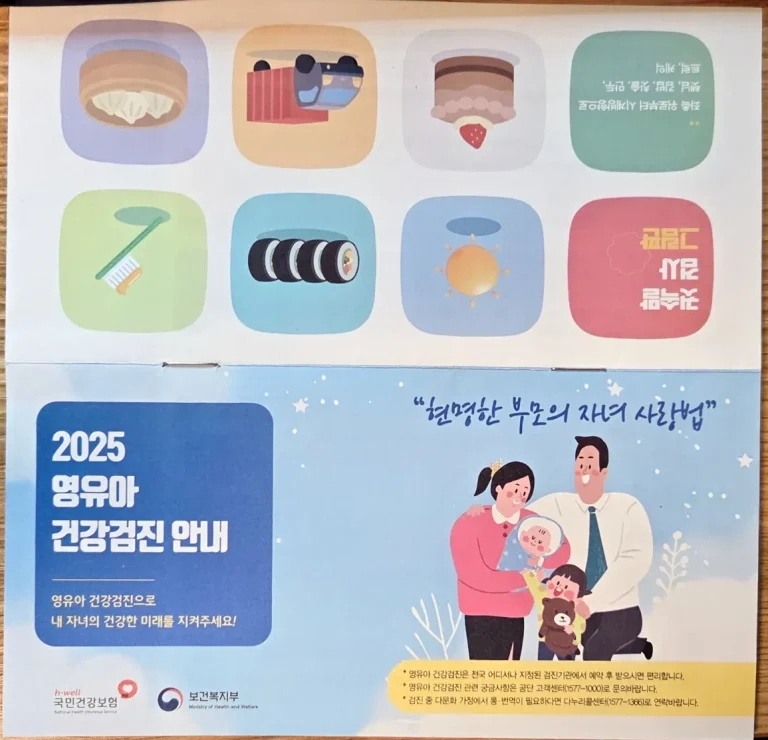
Once your baby is home and growing, Korea’s free infant health check-up system (영유아건강검진) becomes an essential resource, especially if you’re navigating development concerns unique to premature birth.
For families dealing with these health considerations, our comprehensive guide to Korea’s daycare waiting list system can also help you understand how to access childcare options that support your child’s developmental needs.
In addition to the National Happiness Card and maternity benefits we covered, multicultural families should also explore South Korea’s high fuel price support payment, another government initiative that can ease the financial strain during early parenthood.
Alongside pregnancy benefits and postpartum support, multicultural families in Hwaseong should know about the Book Start program, a government-backed early literacy initiative that delivers free book bundles to babies across three developmental stages.
For families navigating government benefits and policies in Gyeonggi-do, resources like My Gyeonggi magazine offer accessible, regularly updated information on family support programs and local events.
Before your baby arrives, make sure both parents are registered with active health insurance coverage; if you’ve recently left employment, registering as a dependent will ensure your newborn qualifies for government maternity benefits and pediatric coverage from day one.
Integrating into local customs is a huge part of raising our daughter here, which is why we proudly document our multicultural family’s annual Kimjang experience every winter.
If your pregnancy takes an unexpected turn and your baby arrives early, our honest guide to navigating a premature baby NICU stay in Korea as a foreigner covers the real costs, NHIS subsidies, and what those first weeks actually feel like.
Once your baby is a few months old, one of the best free resources available to multicultural families in Hwaseong is the Bongdam I-Kieum Center, where you can borrow toys and books and use a free sanitized playroom — all at no cost with your 가족관계증명서.
A different Hwaseong city office runs an equally generous program for a different milestone: the Hwaseong City Childcare Support Center lends a complete dol table set at no charge, which is how we put together our daughter’s first birthday party at home instead of renting a hall.
I didn’t say what I actually felt. I told her to rest, eat well, sleep well. I’m here now, I said. We’ll go to the doctor tomorrow.
On Saturday we went. The ultrasound showed the baby hadn’t grown at all in two weeks. The amniotic fluid was critically low. The doctor — calm, measured, calling herself “a super worrier” — said she wanted us to go to a larger hospital, just to make sure. Just to be safe. She would arrange everything. She said it the way people say things when they are trying not to frighten you while also moving very quickly.
There was no time to think. I didn’t think. I just moved.
The NICU: What No One Prepares You For
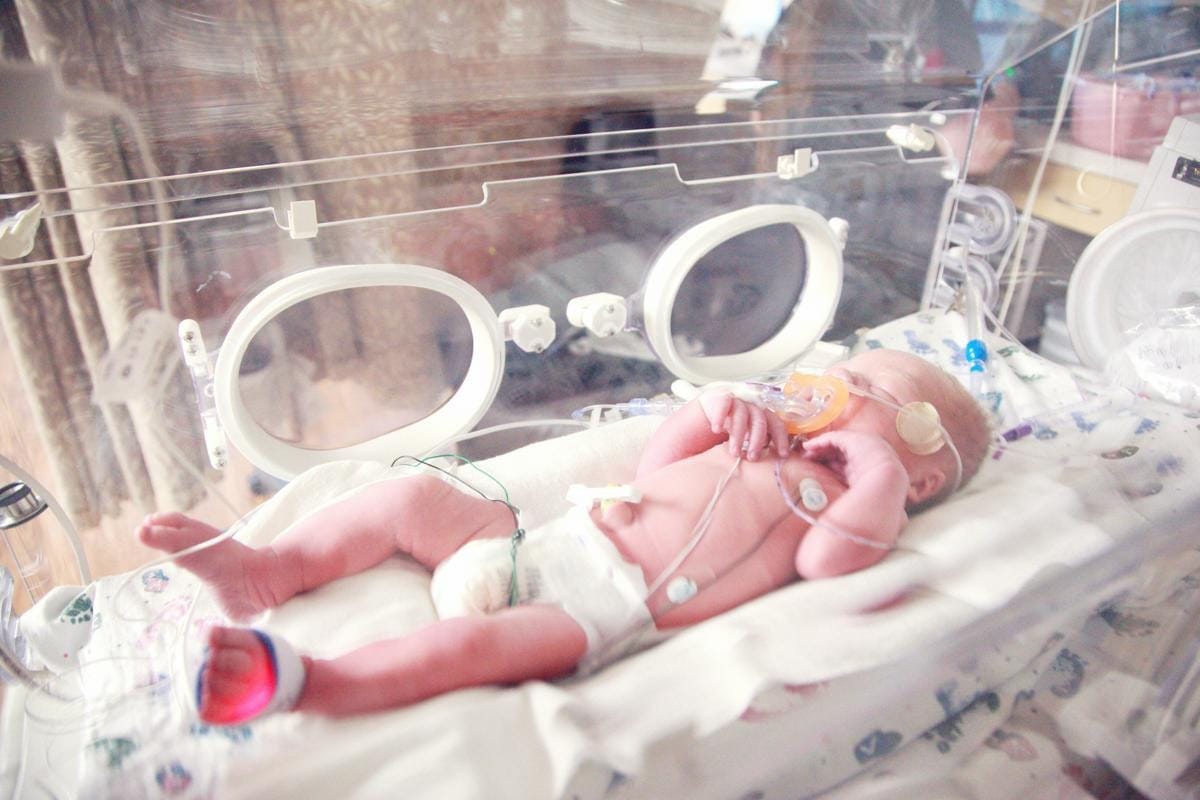
Our daughter was born weighing just under one kilogram.
The first time I walked into the NICU, I saw a row of transparent containers. Small shapes inside them. Monitors everywhere — the constant sound of beeping, checking whether each baby was breathing, whether the heart rate was holding. My daughter was in there with needles, patches, a breathing support tube. She was very small and very thin.
I remember the smell. Hand sanitizer. Warm, dried blankets. Clean in a clinical way that doesn’t feel like home at all.
Nobody tells you that you will stand outside that room and simply not know what to do with your hands. Nobody tells you that you will become very good at reading monitor numbers. Nobody tells you that two months can feel like two years and also somehow pass.
For two months, it was just the two of us. Me handling the paperwork, the hospital communication, the government applications. My wife doing what mothers do — being present in every way she could be, even when presence meant sitting beside a transparent box.
🔗 [Coming Soon: A Father’s 60-Day NICU Survival Guide]
The Documents You Need for Premature Baby Support
Korea’s support system for premature and low-birth-weight babies is genuinely substantial. The key is having the right documents from the hospital — specifically records confirming premature birth and birth weight. In our case, those documents were ready when we needed them. Korea’s document issuance system is efficient, and that matters when you are exhausted and working against deadlines.
The main benefits to pursue for premature babies include:
- 미숙아·선천성 이상아 등 영유아 의료비 지원 — Medical expense support for premature and low-birth-weight infants. This covers a significant portion of NICU bills that would otherwise be catastrophic.
- 조산아 및 저체중출생아 외래진료비 본인 부담률 경감 — Reduced outpatient co-pay rates for premature babies, which applies for several years after discharge. This matters more than people realize, because the follow-up appointments don’t stop when you leave the NICU.
- 선천성 대사이상 검사 — Metabolic screening tests conducted before discharge.
- 선천성 난청검사 — Newborn hearing screening.
Keep all hospital documentation organized from day one. You will need it more than once.
🔗 [Coming Soon: How to Get Preemie Medical Bills Covered]
After the NICU: When Her Mother Arrived
When our daughter was discharged, my mother-in-law came from Zimbabwe.
She didn’t come for a visit. She came to live with us — to be in the apartment, to be part of the daily rhythm, to wake up in the same space as her daughter and granddaughter. There is a difference between someone visiting and someone arriving to be with you, and that difference is enormous when you have just spent two months in a NICU.
Her advice was direct and practical. Don’t let the baby cry. Soothe her as much as you can. Be with her — physically, emotionally, consistently. She said it the way women who have raised children say things: not as a suggestion, but as knowledge passed down.
She tried Korean food while she was with us. Not restaurant food — home food. My mother, back in the countryside, sent her soup and kimchi all the way to Hwaseong. My mother-in-law tasted what a Korean countryside kitchen actually produces. Two women who share no common language, connected across a pot of soup. That is a moment I did not expect to mean as much as it does.
The Post-Birth Benefits You Must Not Miss
The birth paperwork is dense (much like figuring out how to take a DIY baby passport photo in Korea), but the benefits are real. Here is what I consider non-negotiable:
Apply for these immediately:
For a complete step-by-step breakdown of every benefit available during pregnancy — from the National Happiness Card to free health center supplements — read our full guide to pregnancy benefits in Korea for foreigners.
- 첫만남이용권 (First Encounter Voucher) — A substantial government voucher issued at birth. Apply through your local community center or the Bokjiro online welfare portal.
- 부모급여 (Parental Allowance) — Monthly cash support for parents of infants. Apply as soon as possible after birth registration.
- 아동수당 (Child Allowance) — Monthly allowance per child. Apply at the same time as the parental allowance. Do it all in one trip.
- 화성시 출산지원금 — Hwaseong-si’s own local birth support payment, on top of national benefits.
- KEPCO electricity bill discount — Households with a newborn qualify for a reduction in electricity costs. Easy to miss, easy to apply for.
On the must-do list for ongoing care:
The national infant health checkup schedule — 영유아 건강검진 — is important for every baby, but if your child was premature, pay close attention to the adjusted age timeline. The checkup schedule should follow your baby’s corrected age, not their birth date. Confirm this with your pediatrician and make sure the paperwork reflects it.
What we didn’t pursue:
Some items on the Hwaseong-si welfare list were outside our income bracket — not because we are wealthy, but because the thresholds are set conservatively and we didn’t qualify. That’s fine. The system is not all-or-nothing. Check each item individually. Don’t assume you won’t qualify without actually checking, and don’t assume you will qualify without verifying either.
Some offline programs — parenting classes, material lending services — we simply didn’t pursue because the language barrier made them impractical for my wife to attend alone, and I didn’t have the time to accompany her to everything. That’s an honest answer. You do what you can.
🔗 [Coming Soon: The perfect Guide to Korean Government Baby Benefits]
What I’d Tell You Before That Saturday
If I could go back to myself on that Saturday morning — sitting outside the doctor’s room, waiting while she consulted her senior colleague — I don’t think I would tell myself anything different. There was no time for a better plan. I just moved. I kept my wife calm. I made the calls. That’s all there was to do.
But if I could tell you something, reading this now, before your own version of that Saturday arrives:
The Korean system has more support in it than it looks like from the outside. Most of it applies to you, even if you are a multicultural family, even if only one of you speaks Korean. The documents work. The offices answer the phone. The soup arrives from the countryside when you need it most.
You may be in a hospital where your spouse doesn’t understand what the doctors are saying. You may be filling out forms in a language that isn’t yours, or carrying the full weight of a bureaucracy that was designed without your family in mind. But the support exists. Trust the medical system — Korea’s care, especially for premature babies, is genuinely world-class. Stay close to your Korean partner if you have one. And if you are the Korean partner: you are not just the paperwork person. You are the bridge. That matters more than any subsidy.
Having a baby is one of the biggest things that will ever happen to you. All you can do is trust, communicate, and not try to face it alone.
Our daughter is eight months old. She is healthy. We can take her outside now. We go to the hospital less and less.
Once you are out of the NICU chapter and into the weaning stage, one of the most practical next steps is sourcing iron-rich beef baby food from your local Korean butcher. Also, we discovered the hourly childcare program was a game-changer for balancing parenting with work commitments, and it’s something we wish we’d known about earlier in our parenting journey.
I am writing this so that when your Saturday comes, you have a little more to go on than we did.
This is the hub post for our complete multicultural family guide. Detailed posts on each stage — pregnancy benefits, the NICU experience, birth registration, and more — are being added regularly. Please let me know if you have a specific question, or if you want to share your own experience as a multicultural family in Korea.
If you’re planning to stay long-term, you might also find it helpful to set up a Korean keyboard so you can navigate government websites and forms more easily.
If you’re planning to stay long-term, you might also find it helpful to learn about postpartum traditions like traditional seaweed soup with fresh abalone if you’re expecting to start or expand your family in Korea.
If you’re planning to stay long-term, you might also find it helpful to explore opening a child’s bank account with KB Kookmin Bank if you have family members joining you.
Arriving in Korea soon?
Don’t navigate your first day alone
I meet you at Incheon or Gimpo airport and guide you through everything — SIM card, T-money, transport, and getting to your accommodation. Personal support from $180.
Book arrival support →