How We Got Married in Korea as a Multicultural Couple: Marriage Registration, Documents, and the Year We Waited
There is a moment, somewhere in the middle of a long bureaucratic wait, where you stop being frustrated and start just moving. You stop asking when. You make the next call, prepare the next document, and trust that the thing you are building together is worth the slowness of the systems around it.
We got there. But it took a while.
How We Got Here: Tokyo, a Conversation, and a One-Way Decision
My wife and I met in Tokyo. I was working in Japan — five years in the construction industry. She was there too, and somewhere between the two of us, something started.
Early in the relationship I told her something directly. I said: I am going back to Korea. My parents are getting older. My nephews and nieces are growing up faster than I can follow from a distance. I want to be there before it’s too late. If you can’t come with me to Korea, then what we have right now doesn’t have a future. What do you think?
It wasn’t a romantic speech. It was just the truth.
She said she would come.
That moment — her answer, and the weight of it — told me everything about how serious this was going to be. It wasn’t logistics. It was the two of us deciding, clearly and early, what kind of life we were going to build and where.
So I wound down five years in Japan and came home.

Korea felt like relief. But also, unexpectedly, a new kind of loneliness. I had spent most of my twenties and early thirties abroad — Australia for university, Japan for work — and coming back felt less like returning and more like arriving somewhere familiar that had quietly rearranged itself. I had the language. I didn’t yet have the footing. In some ways, starting over in Korea wasn’t so different from starting over anywhere. Except here, at least, I could make the phone calls myself.
That turned out to matter more than I expected.
The Document Problem Nobody Warns You About
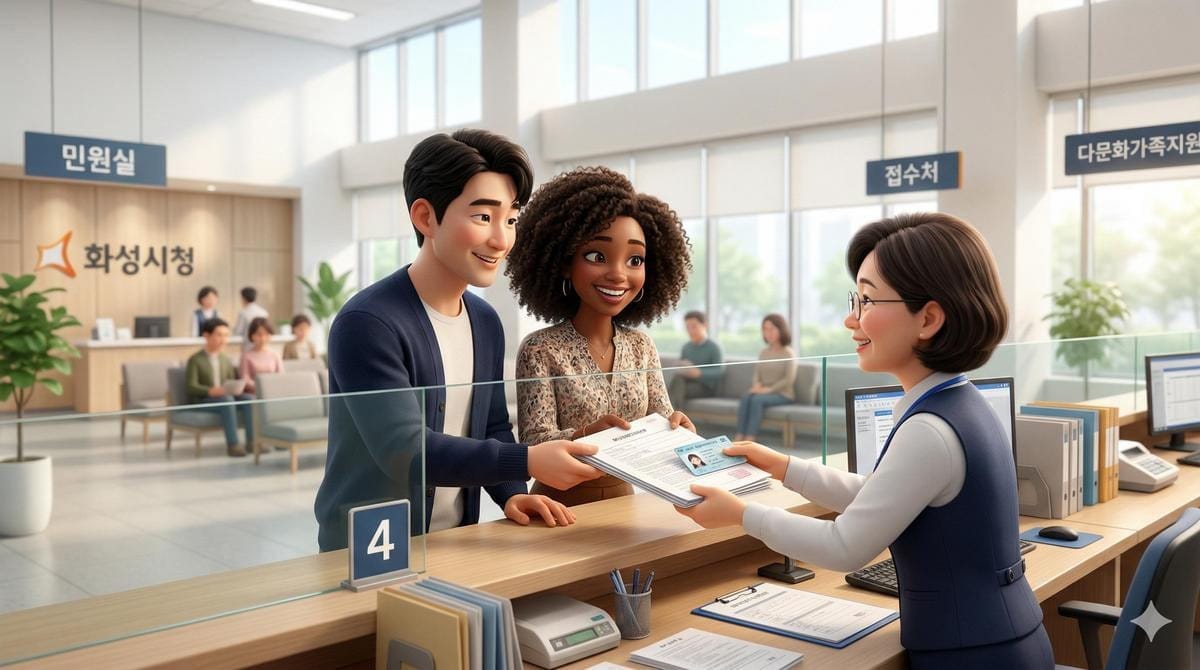
My wife entered Korea on an English teacher visa. It was the most practical path available to us at the time — a legitimate, stable route that gave her a year in the country while we prepared for the marriage registration. The plan was to complete the 혼인신고 (marriage registration) during that window, then convert her status to an F-6 spouse visa.
Simple enough in theory. The reality was different.
To register an international marriage in Korea, you need the following:
- 혼인신고서 — marriage registration form, available at any 주민센터 or printable in advance
- 외국인 혼인/미혼증명서 — proof that the foreign spouse is legally single, issued by their home country
- 아포스티유 또는 영사 확인 — apostille or consular authentication on that document
- 번역본 — Korean translation of foreign documents
- 외국인 배우자 여권 사본 — copy of foreign spouse’s passport
- 한국인 배우자 신분증 — Korean spouse’s ID
The Korean documents were straightforward. Government24, a local 주민센터, a document dispenser — done in an hour or two. The problem was everything on my wife’s side.
South Africa’s administrative system moves at its own pace. That is not a criticism — every country has its own reality, and you accept what you cannot change. But when you are working against a visa deadline, the pace becomes personal very quickly.
We contacted the South African embassy in Tokyo. The answer was clear: a single status certificate with apostille takes a minimum of six months. Possibly up to a year.

We applied in December. We waited. On the surface we stayed positive — what else do you do. Underneath, it was harder. The timeline pressed against the visa. Every month that passed was a month closer to a problem neither of us wanted to name out loud.
July came. The document arrived.
There was a typo.
My wife called me at home to tell me. She had been the one to open it, the one to find it. She was frustrated — the kind of frustration that comes not from anger but from exhaustion, from having done everything correctly and still arriving at a wrong answer. I didn’t have much to say that would help. We filed for correction and resubmission. Another wait. Potentially another six months.
That was the most absurd moment in the whole process. Nearly a year of patience, ended by a clerical error on the other side of the world.
The Agent Decision
Around this time my wife found information through her own research — that a private document agency could potentially expedite the process. Not through official channels. A faster, less formal route that exists because demand creates supply, even in government paperwork.
It felt uncomfortable. In Korea, if you need a government document, you go to the government office and you get it. The idea of paying a fee to move faster through a system that should work on its own schedule sat badly with me. But the alternative was waiting again, and the visa situation didn’t have room for another six months.
We went with the agent. We paid the fee. We resubmitted through the official channel at the same time.
In November, both copies arrived within days of each other. Identical documents, two different routes, almost simultaneous. We had paid for one expensive backup. We kept both — if nothing else, it was insurance against another typo.
If you are in this situation — particularly if your spouse is South African and you need an apostille urgently — consider the agent route seriously. Each country has its own system, and working within the reality in front of you is not a moral failure. It is just problem-solving.
City Hall: The Day We Actually Did It
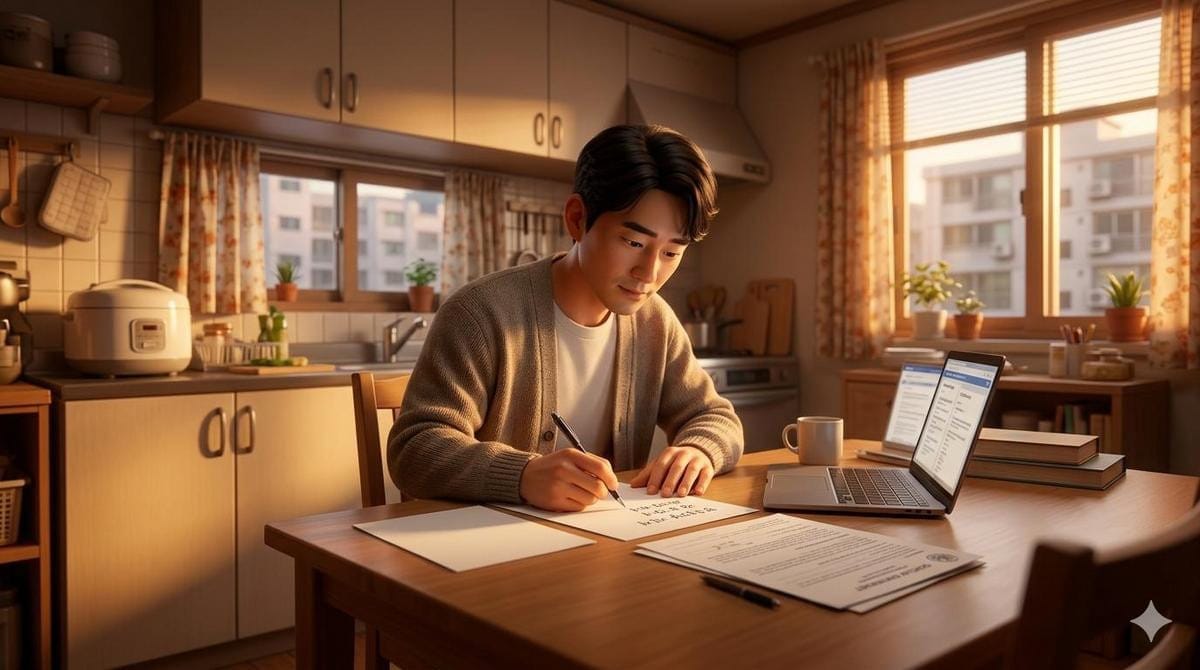
I printed the marriage registration form at home and filled it in before we went. I am the kind of person who shows up prepared. It is faster, it signals that you know what you are doing, and in a government office where staff are busy, it matters.
The translation of the South African certificate — I did that myself. Blank paper, handwritten Korean, my name and contact details at the bottom as the translator. No notary. No agency. I signed it and certified it as my own translation. At Hwaseong City Hall, that was accepted without issue.
The staff member who handled our registration had clearly not processed a South African international marriage before. There was some additional research on her part, some checking of procedures. I knew the documents. I had done the preparation. I waited while she worked through it, and I helped where I could.
There is a small benefit that Hwaseong-si offers at the moment of marriage registration — a 결혼 축하 수저세트, a chopstick and spoon set presented as a wedding congratulation gift. It is a small thing. But it is the one official moment of celebration the system offers you.
We did not receive ours. The staff member was focused on the complexity of our paperwork, and in the process of working through an unfamiliar registration, the chopstick set was simply forgotten. I found out later, after the fact, and by then it felt like too small a thing to go back for.
I am not writing this to complain about it. I am writing this so that you remember to ask for yours.
The Bogunso Health Checkup: One Visit, Two Uses
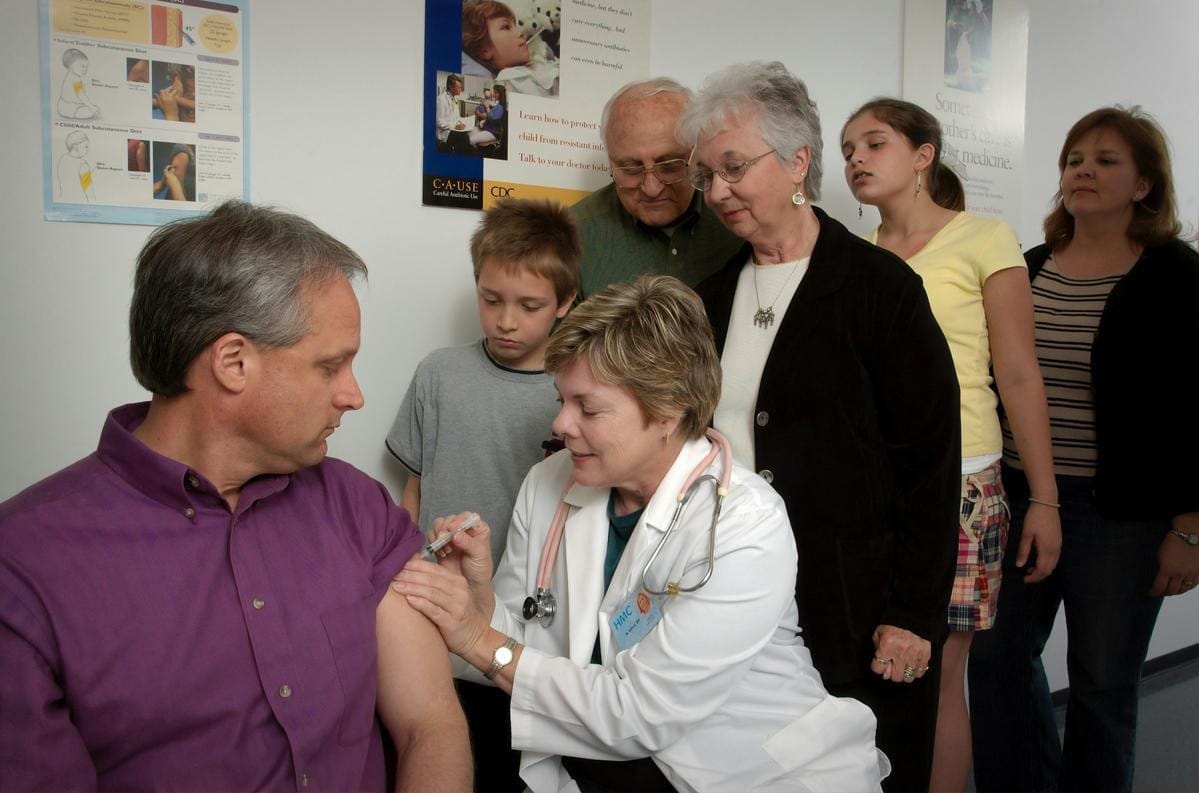
Once the marriage registration was complete, we were eligible for the 예비 신혼부부 건강검진 — the free health checkup for newlyweds offered through the Hwaseong Public Health Center (보건소).
The checkup covers a substantial range:
- Blood work: liver function, cholesterol, blood sugar, full blood count, blood type
- Infectious disease screening: hepatitis B and C, syphilis, HIV, tuberculosis
- Additional by gender: thyroid function for women, fatty liver screening for men
- Urinalysis and rubella immunity check for women
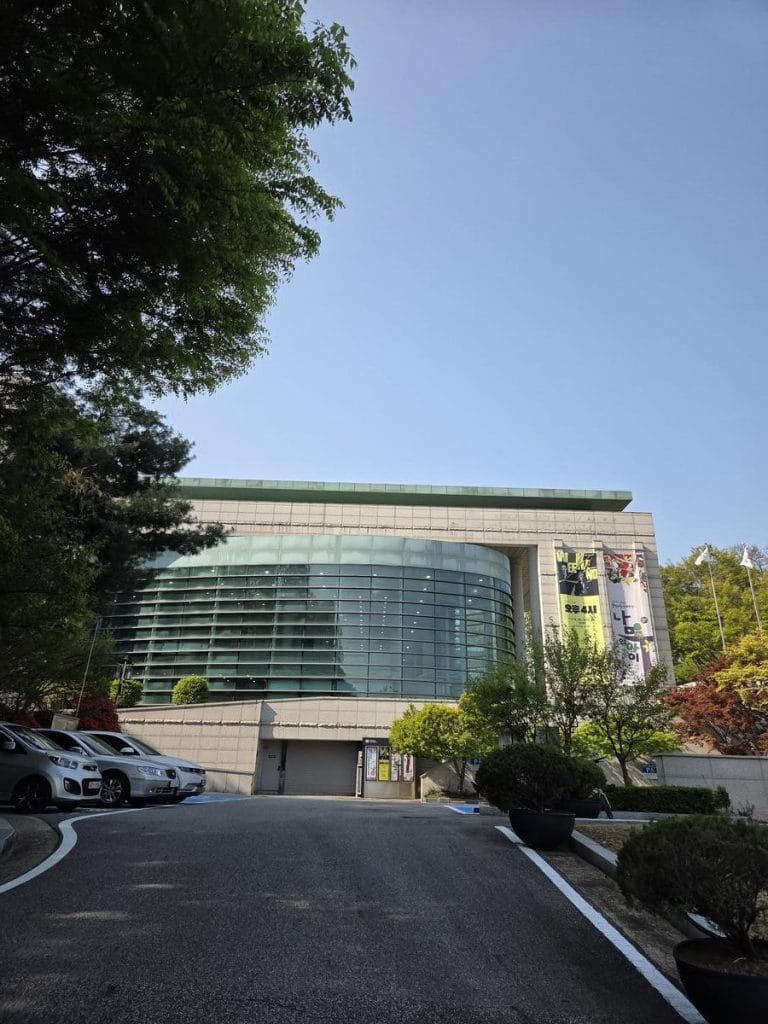
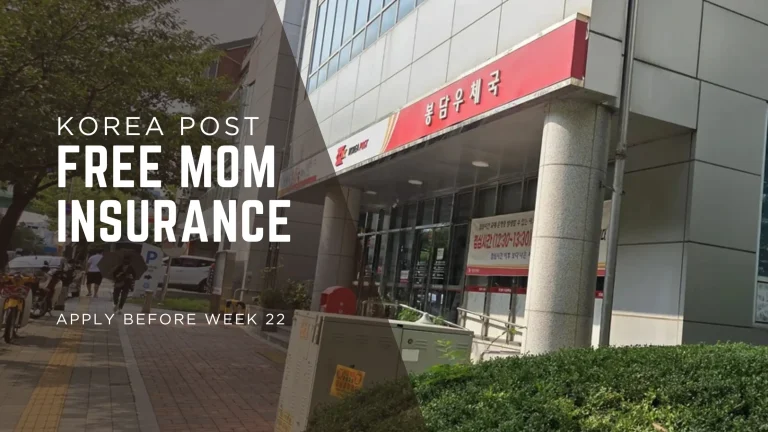
We visited the 서부보건소 in Bongdam — now officially renamed 효행구보건소 following Hwaseong’s special city designation. It is right next to the post office. Parking is consistently difficult. Go by public transit if you can.
Location guide: Hwaseong Public Health Center (Hyohaeng-gu)
Address: 109 Donghwasaeteo-gil, Bongdam-eup
Use your preferred map for directions.
My wife’s veins were hard to find. The blood draw took several attempts. She winced and looked away. It was a small discomfort in the middle of a long process, and she handled it without complaint. That detail stays with me — not because it was dramatic, but because it is the kind of thing that doesn’t make it into the official guides, and it should.

The results came back online about a week later. And here is the practical detail worth underlining: those same health checkup results served as the medical documentation required for my wife’s visa application. We did not need to book a separate health examination. One visit, two purposes. The system occasionally works elegantly when you know how to use it.
Before you go, prepare these:
- National ID (foreign spouse brings alien registration card or passport)
- Proof of marriage: 혼인관계증명서, or if pre-registration, a wedding invitation or venue contract
- 8 hours of fasting before the visit
While you are there: ask for the 산전건강관리 검사의뢰서 — the prenatal health management referral. Takes thirty seconds at the desk. Easy to forget, useful later.
What This Process Is Really About
There is an honest thing to say about international marriage paperwork in Korea when your spouse comes from a country with slower administration.
It is not fair that the burden falls the way it does. The Korean partner ends up carrying the research, the phone calls, the translations, the visits, the waiting. The foreign spouse carries the frustration of being dependent on systems they cannot navigate directly. Neither position is comfortable. And when the document arrives with a typo after eleven months, fairness is not a useful word anymore.
But here is what I came to understand, somewhere in the middle of all of it.
There are no shortcuts to getting this right. Not really. You can use an agent to speed up a document. You can hand-write a translation to save time and money. But the core of it — the marriage registration, the visa application, the health checkup, the forms — all of it has to be done properly, completely, without mistakes and without misunderstanding. Not because the system deserves that precision, but because your family does.
The Korean partner and the foreign spouse each bring what they have. You figure out the best way to get it done with what you have between you. That is all there is.

I came back to Korea feeling relief and a new kind of loneliness. A country I knew that had moved without me. Over time I found my footing. The loneliness faded. I built my way back in.
And the moment I held the completed marriage registration in my hands — that small document that had taken over a year to produce — it was not triumphant. It was quiet. It was just real. It meant we had done it, and we could move forward.
That is what it felt like.
If you are already thinking ahead to starting a family, Korea’s pregnancy support system is surprisingly generous for multicultural couples — here is everything you need to know about claiming pregnancy benefits in Korea as a foreigner.
This post is part of the multicultural family series on having a baby in Korea. The next post covers the F-6 spouse visa conversion — what it requires, what surprised us, and how the health checkup results came in useful a second time. Please let me know if you have questions about any part of the marriage registration process, especially if your spouse is from a country with slower document processing.
Arriving in Korea soon?
Don’t navigate your first day alone
I meet you at Incheon or Gimpo airport and guide you through everything — SIM card, T-money, transport, and getting to your accommodation. Personal support from $180.
Book arrival support →