living in Korea, expat life, safety, high trust society, South Korea guide, Korean culture, crime rate, safe travel
The Initial Shock: Experiencing Absolute Safety as a Foreigner
When you first move to South Korea, the culture shock encompasses many different facets of daily life. It isn’t merely limited to navigating a highly contextual and complex new language, adjusting your palate to the famously spicy and fermented cuisine, or trying to unpack the deeply rooted and complex history of religion in Korea for expats. Whether you are actively searching for a rigorous and welcoming local community, like checking out a Bongdam boxing gym to relieve stress after a demanding day of corporate work, or simply trying to figure out how to transfer lines on the sprawling Seoul Metro transit system, one realization eventually overshadows all others. The most profound, paradigm-shifting, and lasting shock is the overwhelming, almost unbelievable sense of public safety.
Coming from countries where clutching your belongings on public transit is a baseline survival skill, installing massive home security systems with motion sensors is a standard homeowner practice, and constantly scanning your surroundings for potential threats is second nature, adapting to a society where deep trust is the default setting can feel completely surreal. At first, it feels like a trick. You wait for the other shoe to drop.
You will inevitably find yourself instinctively looking over your shoulder when walking down a quiet, narrow residential alleyway at midnight, only to realize that the only other people around are exhausted high school teenagers casually walking home from their evening cram schools (hagwons), or a dedicated delivery driver quietly dropping off a fresh grocery package right at a resident’s front door. The realization that you simply do not have to be hyper-vigilant takes a significant amount of time to fully set in. But once it finally does, it drastically improves your overall quality of life, reduces your baseline cortisol levels, and completely rewires how you interact with public spaces. This psychological phenomenon is often the very first sign to newcomers that they have successfully entered what sociologists, anthropologists, and economists formally call a “high-trust society.”
But how exactly did South Korea, a nation that was entirely devastated by war just a few decades ago, achieve this incredible, world-leading standard of public safety? Is it purely a cultural byproduct, an ancient Confucian virtue somehow passed down immaculately through generations, or is there a rigid, systemic, and highly technological backbone keeping these bustling streets so secure? As an expat who has lived, worked, and—more than once—accidentally left vital belongings in extremely public places across this country, I want to deeply explore why South Korea is widely regarded as one of the safest nations on Earth, and what that actually looks like in your daily, mundane life.
The “Cafe Test”: Laptops, Wallets, and True Public Trust
There is a well-known, frequently discussed phenomenon among the expat, tourist, and foreign resident community that is commonly referred to as the “cafe test.” Imagine walking into a sprawling, beautifully designed, multi-story coffee shop, much like the incredibly popular Prefer Cafe Pyeongtaek. You wander through the seating areas and finally find the absolutely perfect table near the massive glass window offering a beautiful, unobstructed mountain view. But there is a logistical problem: you need to go all the way downstairs to the main counter to order your iced Americano and bakery items, or perhaps you just need to step away to use the restroom on an entirely different floor.
In major Western metropolitan hubs like London, Paris, New York, San Francisco, or Sydney, leaving your brand-new laptop, your smartphone, and your wallet sitting wide open on the table while you completely walk away for ten to fifteen minutes would be considered a spectacularly foolish invitation to opportunistic thieves. You would be blamed for losing your items.
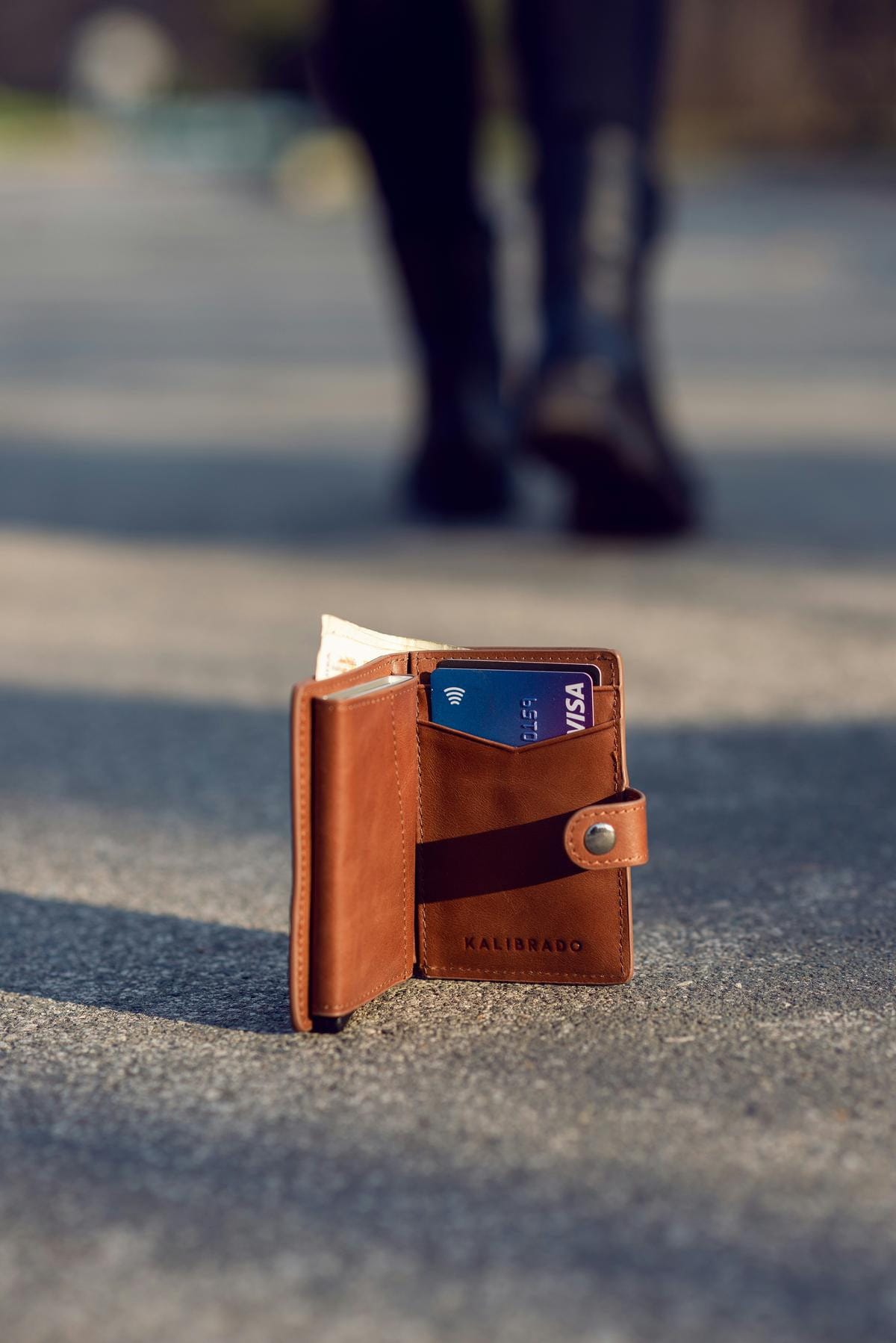
In South Korea, leaving your belongings behind is simply how you functionally reserve your seat. If you walk into a busy Starbucks in Gangnam, you will see dozens of tables dotted with the newest, most expensive electronics, highly coveted designer bags, car keys, and, incredibly, a brown leather wallet resting unattended on a wooden table with a blurred background of other patrons just going about their day. The underlying, unspoken social contract heavily dictates that these items will absolutely not be touched by anyone other than their rightful owner. The sheer audacity of this trust boggles the minds of newly arrived tourists, but it is a wonderfully mundane, everyday reality here.
This immense level of societal trust extends far beyond busy corporate coffee shops and into entirely unmanned, standalone businesses. Walk down almost any dense residential street, large apartment complex (danji), or commercial block anywhere in the country, and you will very likely stumble upon an unmanned store. These fascinating retail concepts come in various forms: 24-hour ice cream parlors, self-serve instant ramen shops, boutique pet supply stores, and even small clothing or stationery shops aimed at school children.
There are literally no cashiers, no imposing security guards, and no physical anti-theft barriers at the doors. Customers simply walk in, select their desired items from the freezers or shelves, scan the barcodes themselves at a self-checkout kiosk, tap their credit card to pay, and leave. The entire, highly profitable business model is completely reliant on the core assumption that the general public will simply not steal. In many other countries around the world, these vulnerable stores would be emptied of their inventory overnight or vandalized beyond repair. Here, they thrive, multiply, and expand rapidly. Similarly, local delivery drivers leave highly visible packages—often containing expensive electronics, fresh groceries, or designer clothes—right outside apartment doors in the communal hallway for hours or even days. The concept of “porch pirates” stealing deliveries is virtually non-existent in the South Korean lexicon.
The Tech Backbone: CCTV Networks and Resident IDs
While the culture of honesty is undeniably strong, historically rooted, and awe-inspiring to witness, it would be dangerously naive and sociologically inaccurate to completely ignore the massive, highly funded technological and systemic infrastructure that forcefully enforces and continually encourages this behavior. South Korea possesses one of the most comprehensive, highly developed, and dense CCTV (closed-circuit television) surveillance networks in the world.
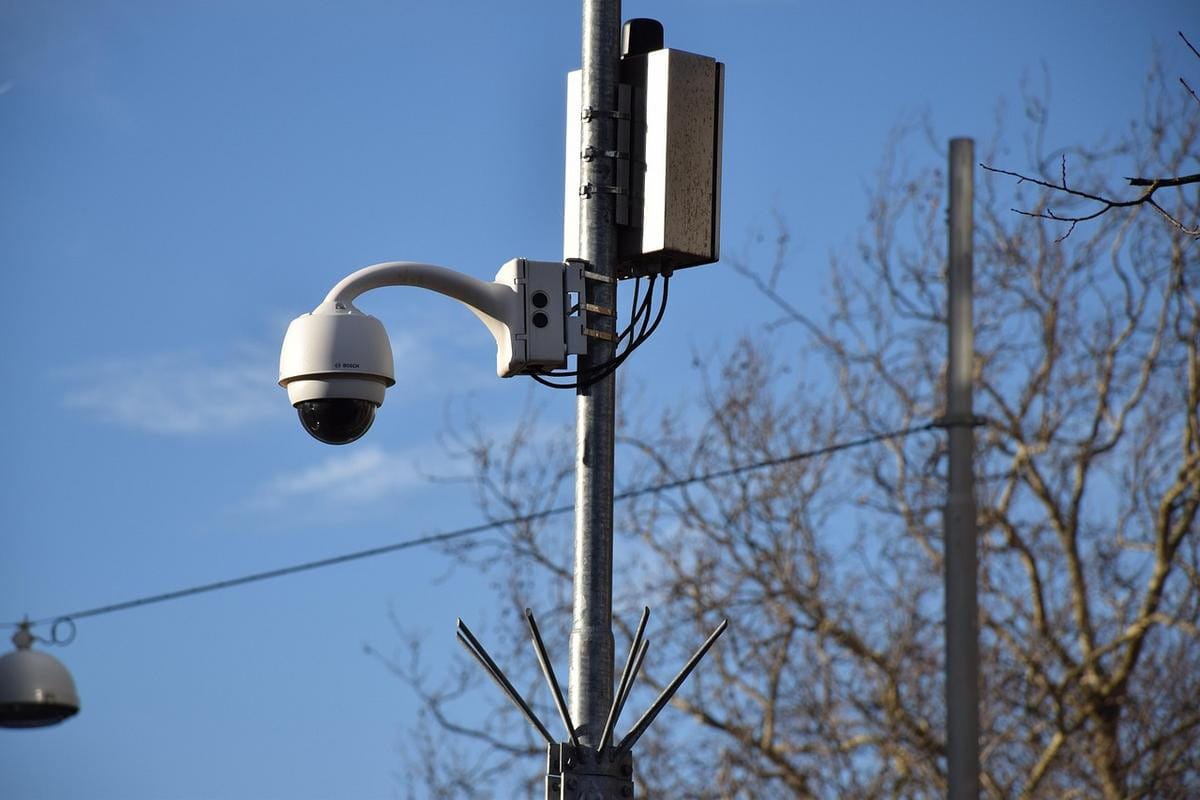
When you walk outside, look up. You will frequently see three white CCTV security cameras mounted together on a vertical metal pole outdoors, watching the intersections. Cameras are truly omnipresent. They are mounted on residential street corners, permanently running inside private cafes, hidden in elevator ceilings, heavily utilized across all public transit systems, and actively recording as dashcams (known locally as “black boxes”) in almost every single private and commercial vehicle on the road.
Some expats arriving from countries with strong privacy-first legislations initially feel a slight, lingering unease about the implications of this constant monitoring. However, this omnipresent surveillance is the rigid, undeniable backbone of the country’s incredibly high arrest and conviction rate for crimes.
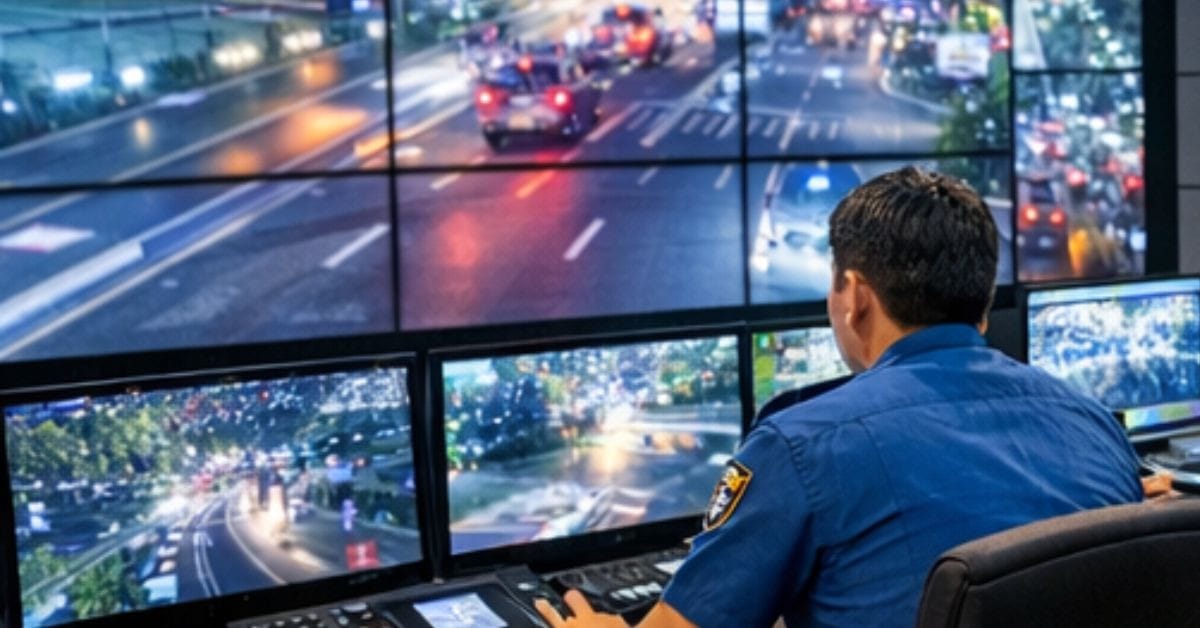
Inside local precinct hubs, police officers watch multiple large flat-screen wall monitors displaying various tiled security camera video feeds simultaneously. If a crime is committed—whether it is a violent assault, a hit-and-run, or someone stealing a bicycle—law enforcement can effortlessly track the suspect’s movements block by block, camera by camera, from the exact scene of the incident straight to their front door. This technological reality makes getting away with theft, vandalism, or violent crime incredibly, almost impossibly difficult. The sheer, mathematical probability of getting caught on camera acts as a massive, continuous, and highly effective deterrent against impulsive criminal acts.
Coupled directly with this physical, visual surveillance is an incredibly strict, highly integrated national identification system. Every single Korean citizen and officially registered foreign resident is issued a unique, highly permanent 13-digit resident registration number. This system, which has its roots stretching back to past administrative eras when national security against espionage was paramount, is deeply tied to every single facet of modern life. Your personal ID number is strictly required for opening a simple bank account, securing a monthly mobile phone contract, creating basic internet accounts on major portals like Naver, and accessing the incredibly efficient national healthcare system. Because almost every action is tied back to a legally verified identity, the barrier to true anonymity is extremely high. You cannot simply disappear into the system to evade consequences, which fundamentally discourages illicit behavior on a systemic level.
Nighttime Safety: The Freedom to Walk Without Fear
For many expats—particularly, and most emphatically, women—the most liberating, life-changing aspect of living in South Korea is the absolute freedom to exist in public spaces after dark without the constant, draining presence of fear. In many major Western cities, women are actively taught from a young age to constantly assess their surroundings after the sun goes down, to clutch their keys between their fingers like a makeshift weapon, to avoid eye contact, and to share their live GPS location with friends when taking a taxi or walking home from a night out.
In Korea, the physical narrative and the psychological reality are entirely flipped. Whether you are enjoying a deeply romantic Han River Starlight Cruise in Seoul and walking back to the distant subway station at midnight, or exploring the spooky, atmospheric thrills of a Yongin Korean Folk Village night tour far from the city center, you can generally walk the streets without the looming, oppressive fear of physical assault, catcalling harassment, or armed robbery.

South Korea boasts a thriving, robust, and heavily integrated nighttime economy. The visual reality is often a bustling multi-lane city street at night illuminated by heavy traffic and bright signs. 24-hour convenience stores are on every block, late-night Korean barbecue restaurants serve food until dawn, PC bangs (gaming cafes) are packed with students, and noraebangs (karaoke rooms) keep the streets brightly lit and heavily populated well into the early, pre-dawn hours of the morning.
This unique architectural and cultural phenomenon creates what urban planners call “eyes on the street.” When a street is full of ordinary, sober, and intoxicated people simply going about their business under bright neon lights, it naturally regulates antisocial behavior and provides a profound sense of communal, passive security.
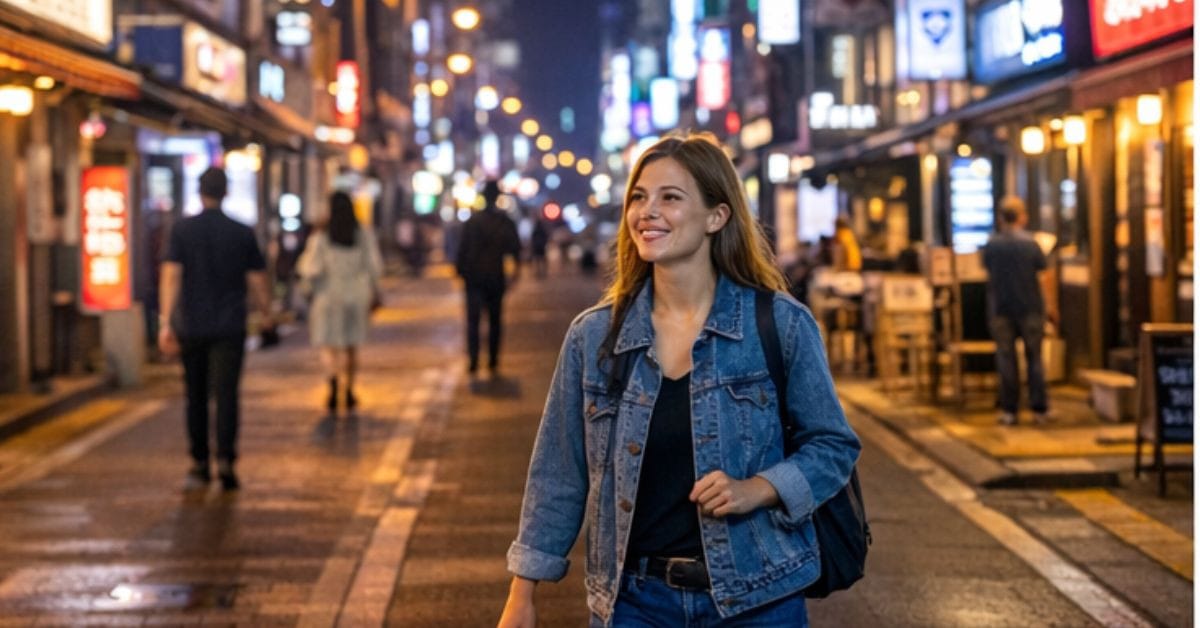
Recently, a Colombian social media influencer went massively viral after posting emotional videos expressing her absolute, tearful disbelief at the everyday safety in Korea. Coming from a highly dangerous region where simply holding a smartphone in your hand on the street in broad daylight can make you a primary target for violent robbery, she was astounded to see the reality here. It is entirely common to see a person wearing a gray backpack walking down a dimly lit city street at night, fully immersed in their glowing smartphone screen, wearing noise-canceling headphones, completely unbothered by their surroundings. It was an alien, almost utopian concept to the influencer, yet a completely mundane, expected reality here.
Furthermore, you will routinely and casually see young elementary school children commuting entirely alone on the complex, sprawling subway system or walking to their evening hagwon classes long after sunset, chatting happily on their smartphones without a watchful chaperone anywhere in sight. It is a level of deep societal safety that is genuinely hard to comprehend until you witness it daily with your own eyes.
Law Enforcement, Gun Control, and Geographic Isolation
Beyond the impressive cameras and the deeply ingrained culture, hard legal boundaries and unchangeable geographic factors play a massive, undeniable role in maintaining the national peace. Foremost among these legal frameworks is South Korea’s uncompromising, incredibly strict approach to gun control. Civilian firearm ownership is virtually illegal and strictly prohibited across the board, with only very rare, highly monitored exceptions for strictly regulated hunting rifles. Even then, these weapons must be securely stored under lock and key at local police stations when not in active use during highly specific, short hunting seasons.
As a direct, statistical result, gun-related violence is practically zero. It is a non-issue. You will never, ever hear of armed robberies at local convenience stores, terrifying drive-by shootings in neighborhoods, or mass gun violence in public squares. This removes a massive, anxiety-inducing layer of lethal threat from public spaces and fundamentally changes the way police interact with the public, as officers do not have to approach every routine traffic stop with the underlying, baseline fear of being shot.
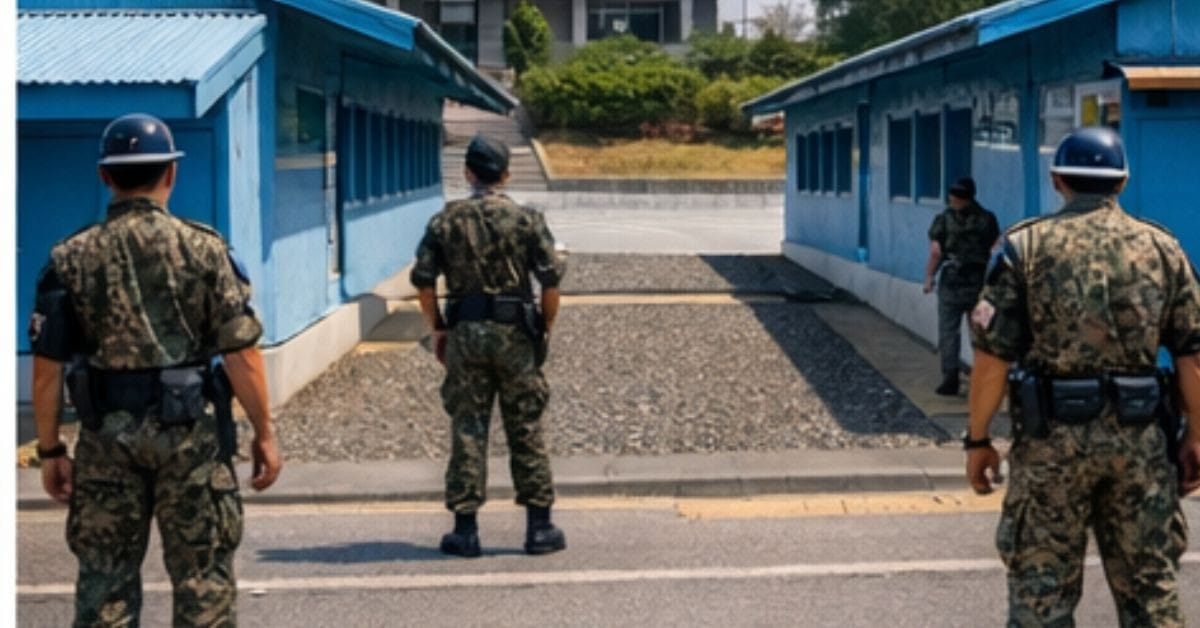
Geographically, South Korea operates effectively as an isolated island when it comes to international transit and criminal flight. It shares its only physical land border with North Korea—the heavily fortified Demilitarized Zone (DMZ), where you will find two soldiers in dark green uniforms and helmets standing guard near bright blue buildings. This border is completely, lethally impassable. If a highly motivated criminal commits a major, violent offense in Seoul, they cannot simply hop in a fast car and drive across a porous border to easily escape into a neighboring, friendly jurisdiction.
To flee the country and evade justice, they must pass through an international airport or a major seaport, both of which are heavily monitored, completely saturated with CCTV, and tightly controlled by highly trained customs and immigration authorities. This intense geographical isolation makes it incredibly difficult for serious criminals to successfully evade long-term capture, further driving down the incentive to commit major crimes in the first place.
The Psychology of Honesty: Cultural Superstitions and Social Harmony
If we look past the intimidating cameras, the strict laws, and the geographical isolation, there is a deep-seated, historically complex cultural psychology at play regarding personal property, societal roles, and honesty. In Korea, taking something that explicitly does not belong to you is viewed not just as a standard legal crime punishable by fines, but as a severe moral failing that brings profound, lasting shame upon oneself and, crucially, one’s entire family.
This sense of historical continuity is everywhere. Even seeing a man and woman wearing traditional colorful hanbok walking past wooden market stalls reminds you of the deep cultural roots that prioritize group harmony over individual gain. There is also a highly interesting, widely held cultural superstition regarding lost and found items. A Korean friend once shared a deeply revealing story with me about walking down the street with her mother when she was a young girl.
They spotted a dropped bill of currency lying abandoned on the sidewalk. When my friend eagerly picked it up, her mother immediately scolded her and told her that they had to go and spend that exact money right away at the nearest supermarket to buy snacks. When asked why they couldn’t just keep it in their piggy bank, her mother gravely explained that carrying around someone else’s lost, misfortunate belongings for too long is heavily believed to bring serious bad luck to the finder. While this might easily be dismissed as an old wives’ tale, it accurately reflects a much broader, deeply ingrained societal attitude: other people’s property is a dangerous burden, not a lucky blessing. If you see an expensive item left alone in the middle of nowhere, the prevailing, immediate thought is, “This does not belong to me, I have nothing to do with it, and touching it will only bring trouble,” rather than seeing it as a golden opportunity for easy personal gain.
Global Perspectives: How Expats Compare Korea to Home
When international broadcasters, sociologists, and popular travel vloggers conduct spontaneous street interviews with diverse expats currently living in Korea, the direct comparisons to their respective home countries are striking, deeply revealing, and often highly emotional. In a recent, widely shared street survey conducted in the busy streets of Seoul, tourists and foreign residents were directly asked to rate the safety of their home countries versus their current life in Korea.
- France: French respondents bitterly noted that casually leaving a phone on a table in Paris is impossible without it getting stolen almost immediately by organized pickpockets. They solemnly rated their home country’s safety a 4 or 5 out of 10, compared to giving Korea an enthusiastic 8 or 9.
- United States: American expats frequently, and with palpable relief, bring up the profound peace of mind of not having to constantly worry about random gun violence, terrifying mass shootings in public spaces, or politically motivated, violent public disturbances. They also note the stark difference in public transit safety, feeling entirely secure riding the Seoul Metro alone at midnight.
- Latin America: Visitors from countries like Colombia, Brazil, or Mexico express sheer, unfiltered disbelief at the ability to walk at night or openly use expensive electronics in public, noting that exhibiting such careless behavior back home could easily threaten their actual lives.
- Australia & Japan: While respondents from Australia and Japan confidently noted that their home countries also boast very good public security and high trust, they still readily acknowledged that Korea’s unique integration of 24-hour safety, incredible lighting, and omnipresent technology puts it on another level entirely for sheer convenience.
A Quick Comparison Table: Everyday Safety Metrics
| Everyday Safety Metric | South Korea (Expat Experience) | Typical Western City (e.g., Major US/UK/France Hubs) |
|---|---|---|
| Leaving Valuable Items in Cafes | Completely safe; actively and routinely used to save seats. | Incredibly high risk of immediate theft; items must be heavily guarded at all times. |
| Nighttime Walking (Especially for Women) | Very safe; bright streets, active nightlife, highly populated areas provide “eyes on the street.” | Requires high vigilance; often avoided entirely in certain areas or after certain hours without a group. |
| Threat of Gun Violence | Virtually non-existent due to strict, nationwide, unbending gun control laws. | Varies heavily by country, but a major, persistent, and lethal concern in the US. |
| Pickpocketing in Dense Crowds | Extremely rare, even in packed, shoulder-to-shoulder subway trains during rush hour. | Incredibly common in major tourist hubs, transit systems, and busy public squares. |
| Package Delivery Theft (Porch Pirates) | Highly uncommon; valuable packages are routinely left safely at doors for days without issue. | A frequent, systemic issue requiring expensive secure lockers or mandatory sign-for delivery. |
Is It Perfectly Safe? Realistic Expectations for Expats
While the praise is well-deserved, it is deeply important to maintain a grounded, highly realistic perspective: absolutely no human society is a flawless utopia, and South Korea is certainly not entirely devoid of crime or danger. White-collar crime, complex corporate embezzlement, and highly sophisticated fraud (such as aggressive voice phishing scams deliberately targeting the elderly or vulnerable foreigners) are prominent, ongoing, and serious issues.
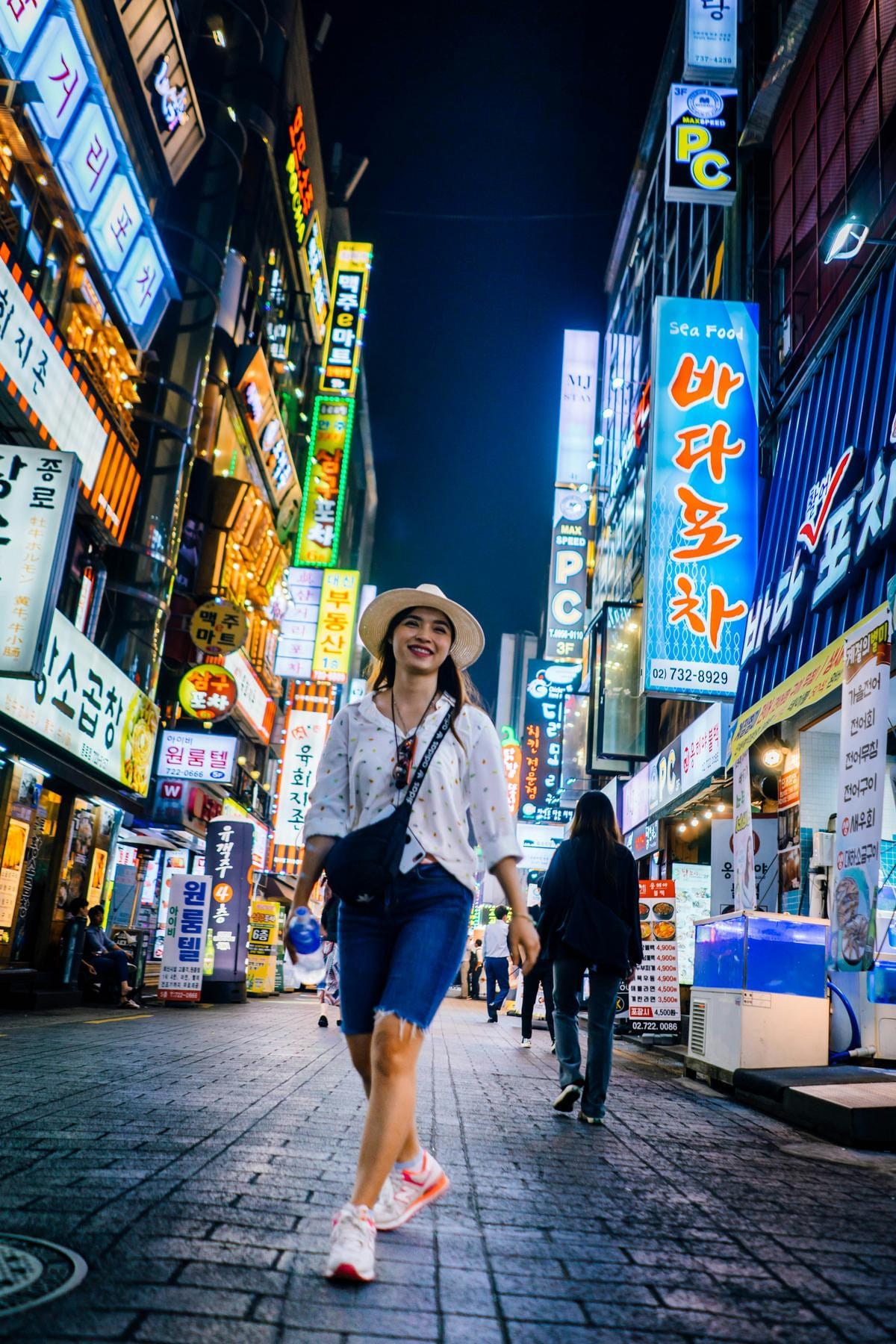
When observing a dense crowd of pedestrians walking along a broad, tree-lined paved urban outdoor pathway, it’s easy to assume perfection. However, there are also occasional public disturbances often linked directly to extreme alcohol intoxication, given the country’s notoriously heavy drinking culture and intense corporate dining (hwesik) norms. Fights outside bars do occasionally happen.
Furthermore, there have been highly publicized, incredibly damaging ongoing issues regarding digital sex crimes, specifically the insidious use of hidden cameras (molka) secretly installed in public restrooms, subway stairs, or cheap motel rooms. This is a severe, highly traumatic violation of privacy that the government, local police, and fierce citizen activist groups are actively trying to combat with varying degrees of legislative success. As an expat, particularly a female expat, it is deeply important to be highly aware of these specific digital realities rather than viewing the entire country purely through naive, rose-tinted glasses.
However, when we objectively evaluate the day-to-day, physical safety of simply walking down the street, keeping your physical belongings secure from snatch-and-grab theft, and existing comfortably in public spaces without the constant fear of a violent physical altercation or an armed mugging, South Korea is largely unparalleled on the global stage. It allows expats to completely drop their defensive guard in a way that significantly, measurably reduces baseline daily anxiety.
Frequently Asked Questions (FAQ)
1. Is it truly, 100% safe to leave my expensive laptop on a cafe table in Korea?
Yes, for all practical intents and purposes. It is a highly standard, universally accepted cultural practice to explicitly use personal belongings, including expensive laptops, new phones, or even luxury car keys, to reserve a seat while ordering at the counter or using the restroom. The powerful combination of ubiquitous CCTV and a deeply ingrained high-trust culture makes physical theft in these environments extremely, statistically rare.
2. Is South Korea really safe for solo female travelers and female expats?
South Korea is widely considered by international travel bodies to be one of the absolute safest countries in the world for solo female travelers. Walking alone at night is generally very safe, especially in well-lit urban areas boasting active nightlife and brightly lit 24-hour convenience stores. Violent, random street crime against unprovoked pedestrians is exceptionally low.
3. What exactly should I do if I lose my wallet, expensive phone, or passport while in Korea?
First, don’t panic. Simply retrace your exact steps. Very often, a kind citizen will have handed your dropped item directly to a nearby store clerk, turned it in to the local neighborhood police station, or dropped it at a dedicated lost-and-found center (such as those highly organized offices at major subway stations or the airport). You can also formally report the loss to the local police, who are generally very helpful and can legally utilize street CCTV footage to track exactly where you might have dropped it.
4. Are there any truly dangerous areas, “no-go” zones, or ghettos in Korea that I should absolutely avoid?
Unlike some major Western cities that suffer from deep urban decay, there are literally no “no-go” slums or highly dangerous, gang-controlled ghettos in Korea. However, it is always extremely wise to exercise standard, common-sense situational awareness in heavy, alcohol-fueled nightlife districts (like Itaewon, Hongdae, or Gangnam) very late at night on weekends, primarily to avoid heavily intoxicated, unpredictable individuals or minor, alcohol-induced scuffles that can occasionally occur outside crowded bars.
5. Why exactly is the violent crime rate so incredibly low compared to other developed countries?
It is not magic; it is the direct result of a powerful, interlocking combination of systemic factors: an incredibly extensive, heavily funded CCTV network that ensures an exceptionally high arrest rate, strict and unforgiving gun control laws that completely remove lethal weapons from the civilian streets, a geographic layout (bounded by the sea and the DMZ) that prevents easy escape across borders, a comprehensive, unavoidable national ID system, and a deep-rooted, historical culture that heavily stigmatizes petty theft and strongly emphasizes communal public order over individual rebellion.
Conclusion: The Ultimate Luxury of Peace of Mind
Living long-term in South Korea offers an incredible, sometimes jarring, but ultimately beautiful sense of profound physical security. Whether you are confidently navigating the bustling, neon-lit streets of Seoul at 2:00 AM completely alone, leaving your entire digital life sitting completely unattended on a wooden cafe table to go to the bathroom, or trusting that your accidentally lost, cash-filled wallet will be swiftly returned completely untouched, the baseline peace of mind you experience living here is genuinely invaluable.
This remarkable high-trust society is not an accident. It is deliberately built on a complex, highly interlocking mix of advanced surveillance technology, unbending strict laws, unique geographic isolation, and a collective, historically deep cultural mindset that values the whole over the one. For a newly arrived expat, adapting to this environment means slowly, consciously shedding years of ingrained, exhausting hyper-vigilance. It means finally, truly enjoying the simple, profound, and rare freedom of moving through the world with total, unshakeable peace of mind.
Learn survival Korean
Speak enough Korean to handle daily life
1:1 online Korean lessons focused on practical, real-life situations — not textbook grammar. Book a session with a native Korean speaker who understands expat life.
Book a Korean lesson →