- → Why We Ended Up at Naejangsan
- → What Is the Naejangsan Eco-Exploration Center?
- → How to Book: Step-by-Step for Non-Korean Speakers
- → Rooms, Facilities, and What’s Actually In There
- → The Eco Programs: Not a Hike, Just a Walk
- → Naejangsan Winter Activities and What to Expect
- → What’s Nearby and How to Get There
- → Frequently Asked Questions
Why We Ended Up at Naejangsan
The morning my wife’s family arrived from South Africa, the apartment felt both impossibly full and quietly electric. For the first time since we had moved here, they were actually in the same room. Not on a screen. Present. I had been booking a Naejangsan Eco-Exploration Center accommodation stay for weeks without quite understanding why it felt so important to get right. Standing there watching her laugh, I understood.
Naejangsan was not a sentimental choice. It was a geographical one — the park sits almost perfectly between where we were driving from and our eventual destination of Suncheon, and I knew one large eco-facility room would cost less than three separate hotel rooms while keeping everyone together. But that practical logic turned into something else entirely when the group — my wife, her older brother and his fiance, her parents visiting from South Africa. For those of us thinking about winter nature activities for families in Korea, this kind of eco-stay format deserves far more attention than it typically gets.
One common misconception worth clearing up early: people assume these government-run nature centers are purely for domestic Korean visitors, difficult to navigate without fluency, or located too far off the beaten track to justify the logistics. None of that held true for us.
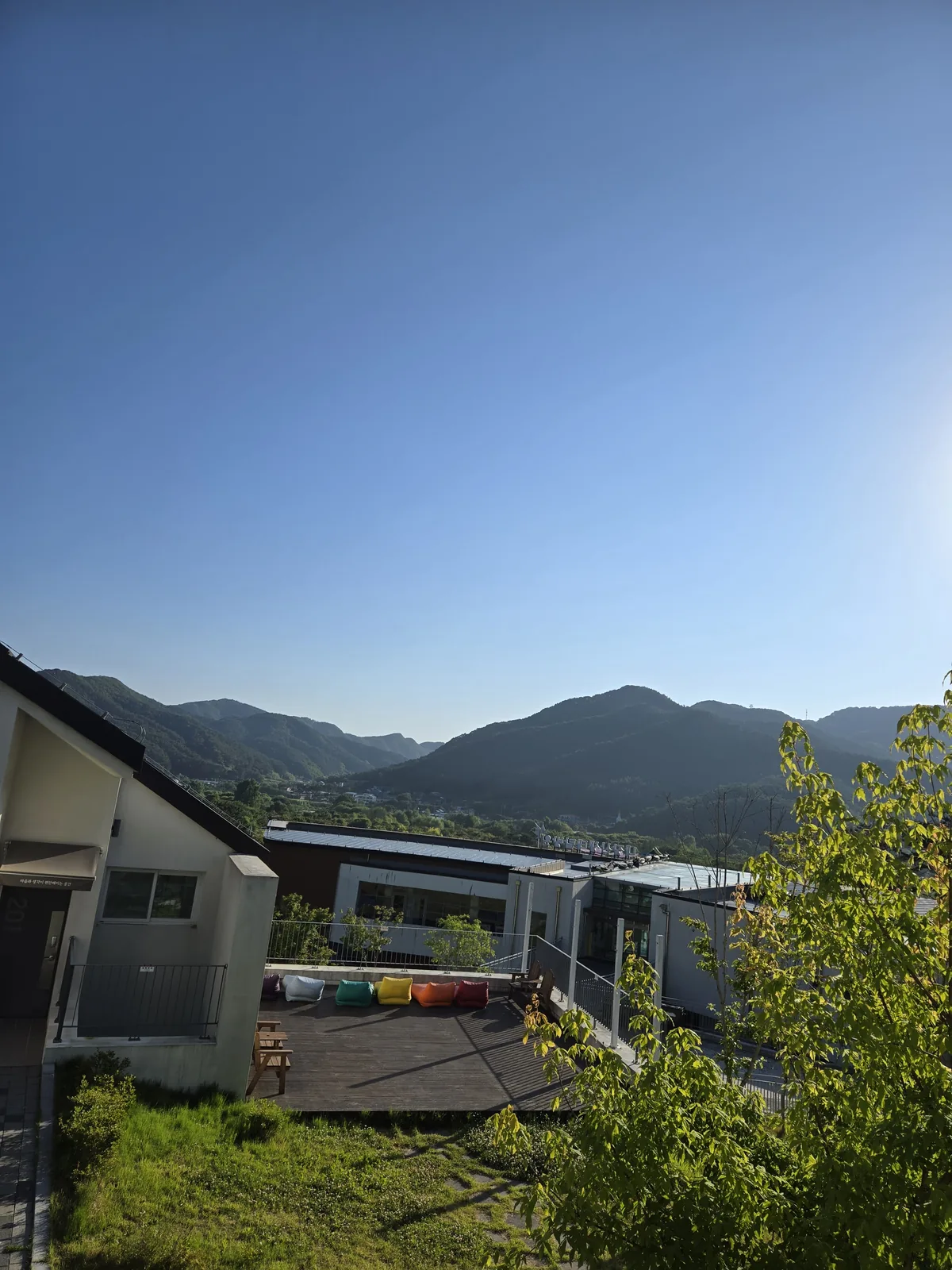
What Is the Naejangsan Eco-Exploration Center?
The 내장산생태탐방원 (Naejangsan Saengtae Tanbangwon) — Naejangsan Eco-Exploration Center — is an overnight facility operated by the Korea National Park Service (국립공원공단) inside the boundaries of Naejangsan National Park in Jeollabuk-do. It is not a hotel or a pension. It is a program-integrated nature education facility that happens to have accommodation attached — and that distinction matters for how you approach booking, expectations, and the experience itself.
The center sits at 전북특별자치도 정읍시 내장호반로 266, beside Naejangho Lake. The park is famous across Korea primarily for its autumn maple foliage — it is one of the most visited national parks in the country every October. But outside of autumn, and especially in winter, it becomes genuinely quiet, genuinely accessible, and genuinely good value. According to the Korea Tourism Organization, Naejangsan is one of Korea’s 22 national parks, covering nearly 80 square kilometres of mixed forest across North and South Jeolla provinces.
The facility has two accommodation types: 생활관 (saenghwalgwan) — the main living quarters building — and 자연의 집 (jayeonui jip), or Nature’s House. The living quarters are the flagship option: rooms sleep 4, 6, or 8 people. Nature’s House has smaller 3-person rooms but note that its operation is suspended during parts of winter (December through March), so check availability if you are visiting in that window.
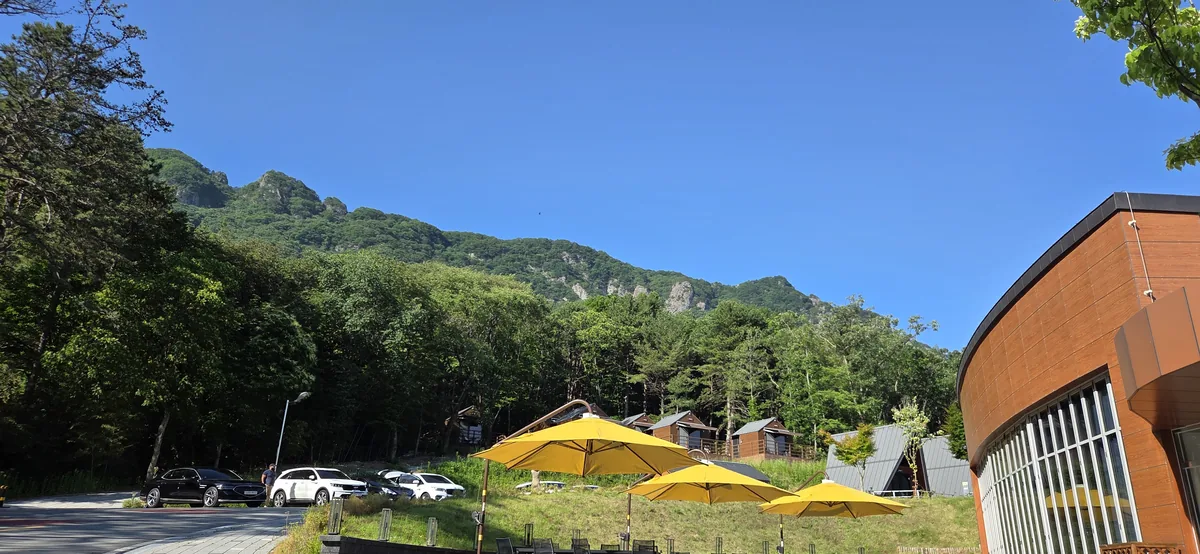
How to Book: Step-by-Step for Non-Korean Speakers
This is where most foreign visitors give up and book a pension in town instead. The booking platform, the 국립공원공단 통합예약시스템 (National Park Service Integrated Reservation System), is entirely in Korean. There is no language toggle. But the process itself is logical once you know what each screen is asking.
When Reservations Open
Bookings open on the 1st of each month (or the first weekday following a public holiday) at exactly 2:00 PM (14:00) Korean time. Popular dates — particularly autumn weekends — disappear within minutes. For winter weekdays, you have a realistic chance of finding rooms with two to three weeks’ advance notice. Immediate booking of remaining rooms is also possible outside the monthly opening rush.
Starting in 2026, the center is closed every third Monday of the month — except during peak seasons (July, August, October) and on public holidays. Build this into your planning.
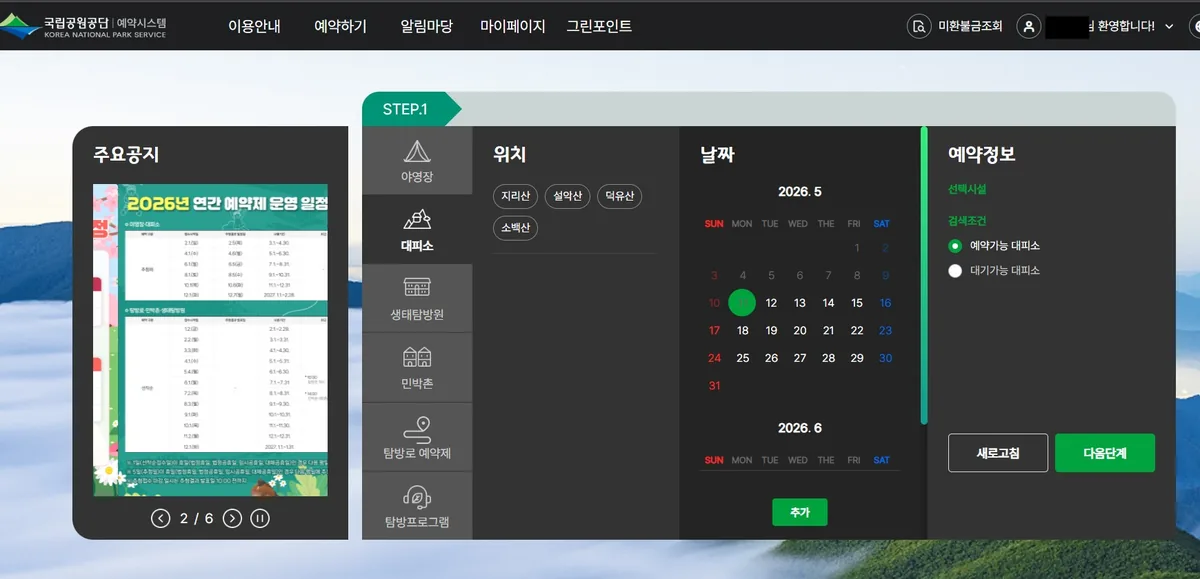
The Booking Process, Screen by Screen
Step 1 — Access the reservation system. Go to res.knps.or.kr. You will land on the main reservation page (STEP 1 in the interface). Select your location — find Naejangsan (내장산) — then pick your intended dates using the calendar.
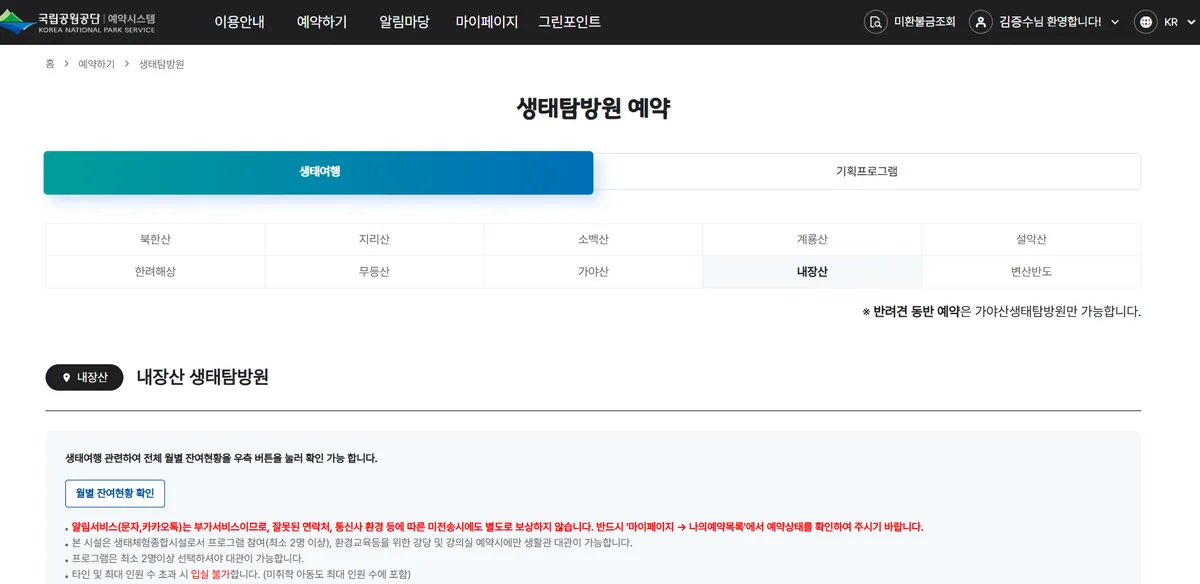
Step 2 — Check availability. Once you select Naejangsan, the system shows available lodges. Confirm you are looking at 내장산생태탐방원 (Naejangsan Eco-Exploration Center), not a campsite. Available slots appear in green; full slots appear greyed out or marked as 마감 (sold out).
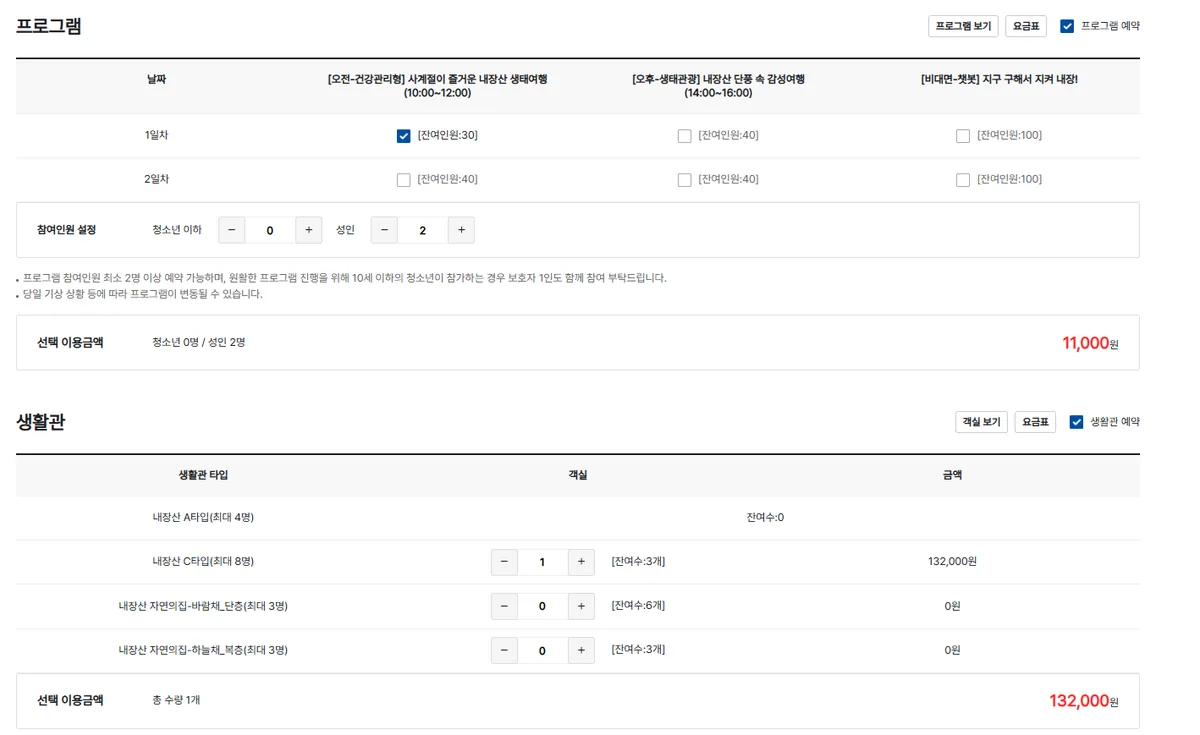
Step 3 — Select program and room type. This is the step most people miss. You must book both a program and a room simultaneously. Select a program time slot (체크박스 — tick the checkbox next to your preferred time), choose your room type (생활관 예약), and adjust the quantity using the +/− buttons. The system will show you the combined total.
Step 4 — Fill in personal details. The form asks for the following. Use this table as your reference:
Step 5 — Payment and confirmation. 결제하기 (Gyeolje-hagi) means proceed to payment. Card payment is accepted. Save your confirmation number — you will need it at check-in. If you need to cancel, see the 취소 및 변경 (Chwiso mit Byeongyeong) policy: generally the closer to your arrival date, the smaller the refund.
💡 Pro Tip:
The system requires a Korean mobile number for SMS verification. If your Korean number belongs to a foreign-registered SIM, confirm it receives Korean SMS. Long-term expats with a registered Korean number have no issues. If you are on a short stay and lack a Korean number, having a Korean-speaking contact (spouse, colleague) complete the booking on your behalf is the most reliable workaround.
If navigating the Korean system feels too daunting — particularly if your stay is part of a larger visa or residency transition — JustAskJin offers direct support for exactly this kind of administrative navigation.
Rooms, Facilities, and What’s Actually In There
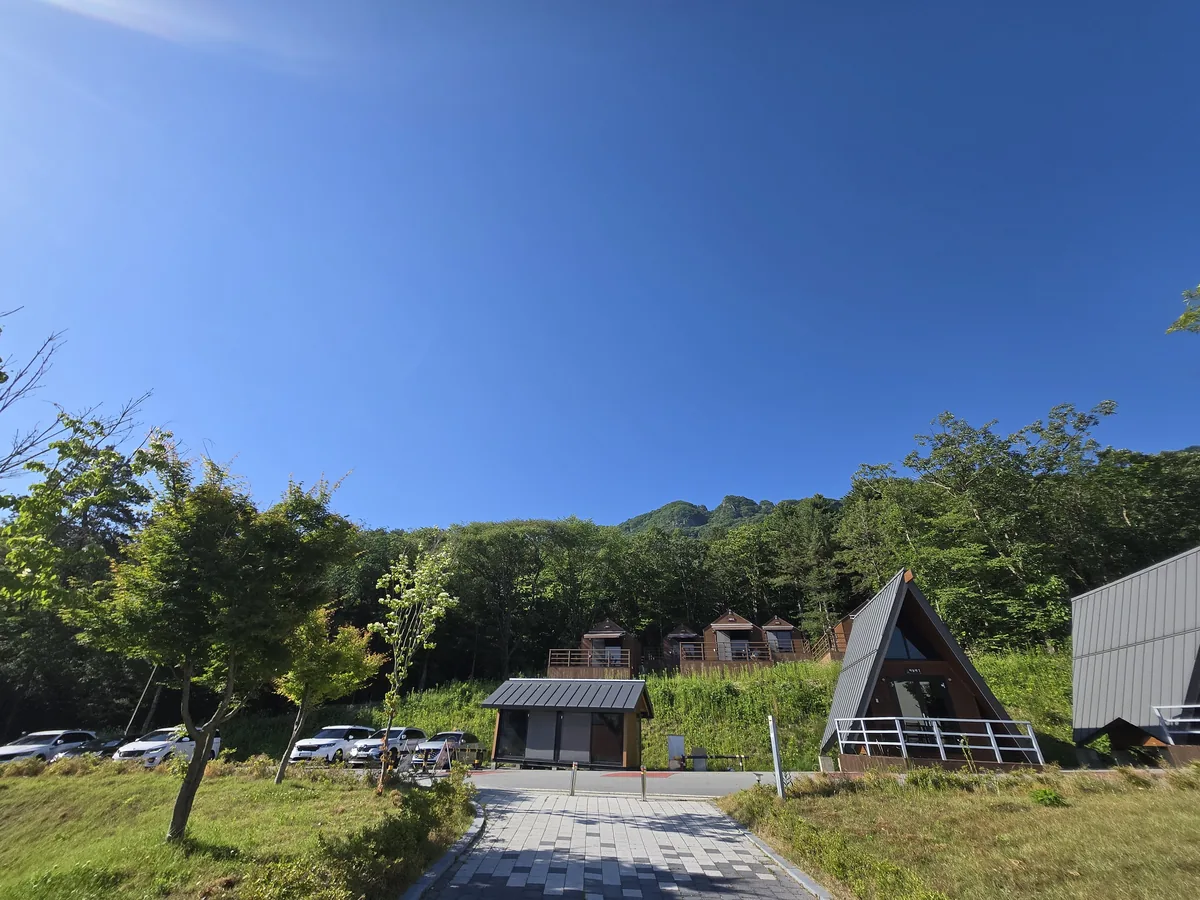
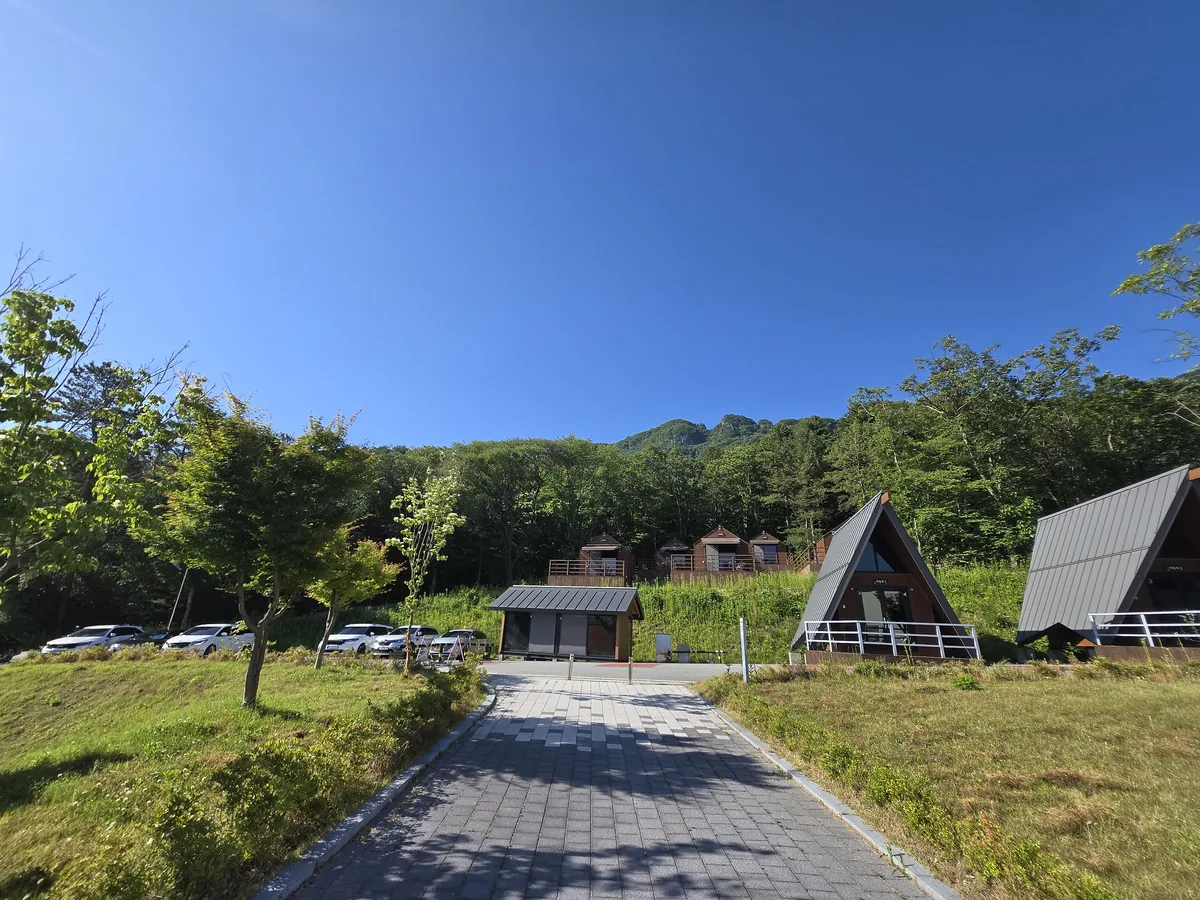
The 생활관 (saenghwalgwan — main living quarters) rooms are laid out as a small apartment: a living room, two bedrooms, and a private bathroom. Each bedroom has a single bed. Extra bedding and blankets are provided, so bringing sleeping bags is unnecessary. The rooms are clean, well-maintained, and — crucially for a mountain facility — well-heated with individual controls.
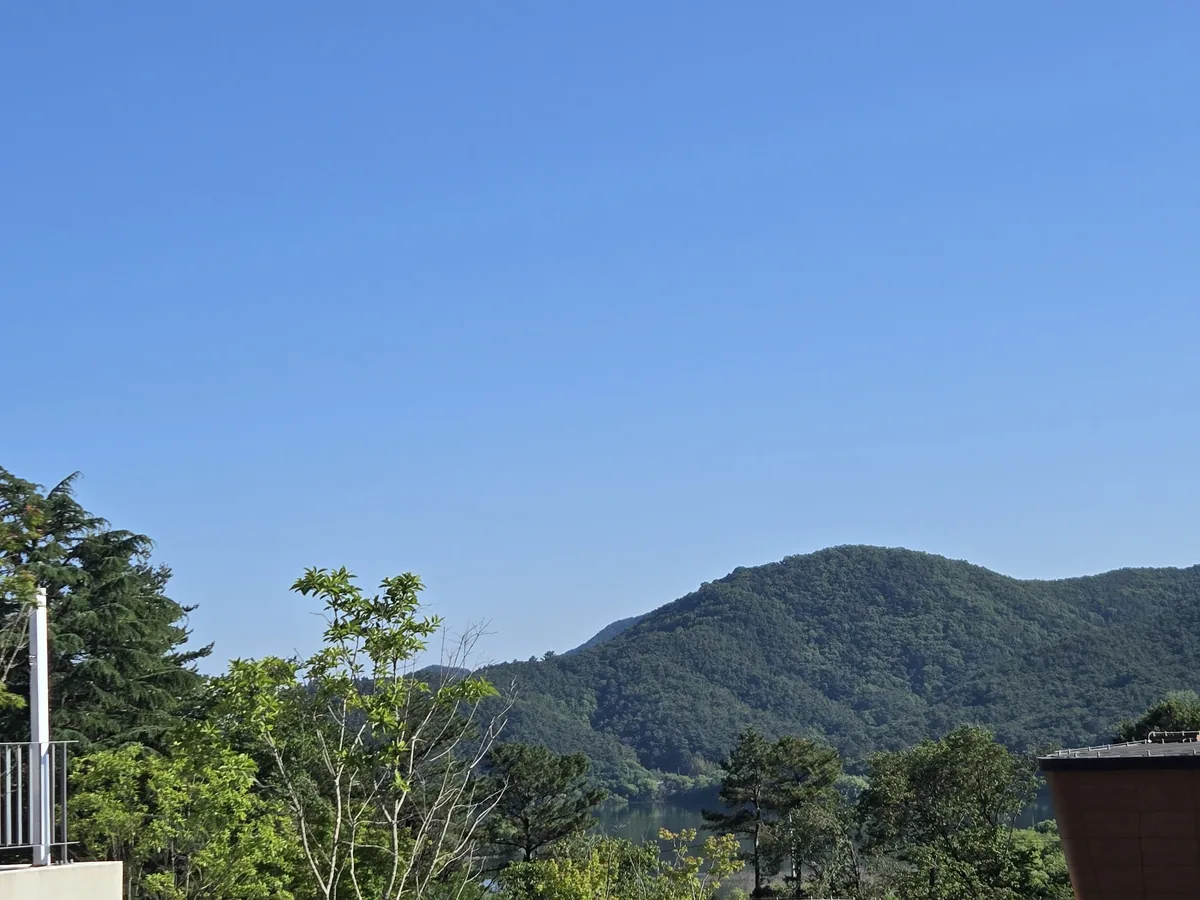
What’s in the Room
- TV, microwave, large refrigerator, water purifier, coffee pot, fan
- Extra bedding, blankets, towels (ample supply)
- Hair dryer, toothpaste, cups, basic shower amenities
- Books — a small but thoughtful touch for a nature facility
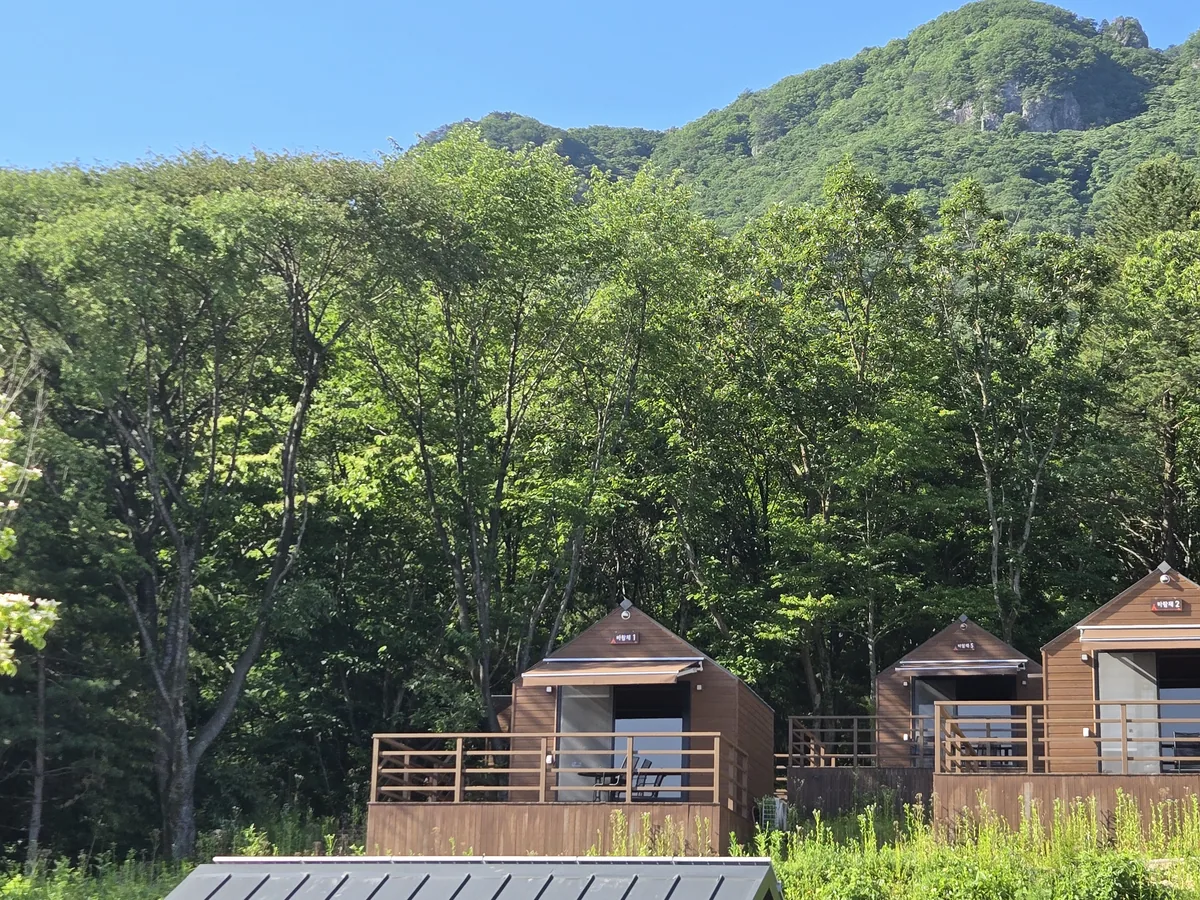
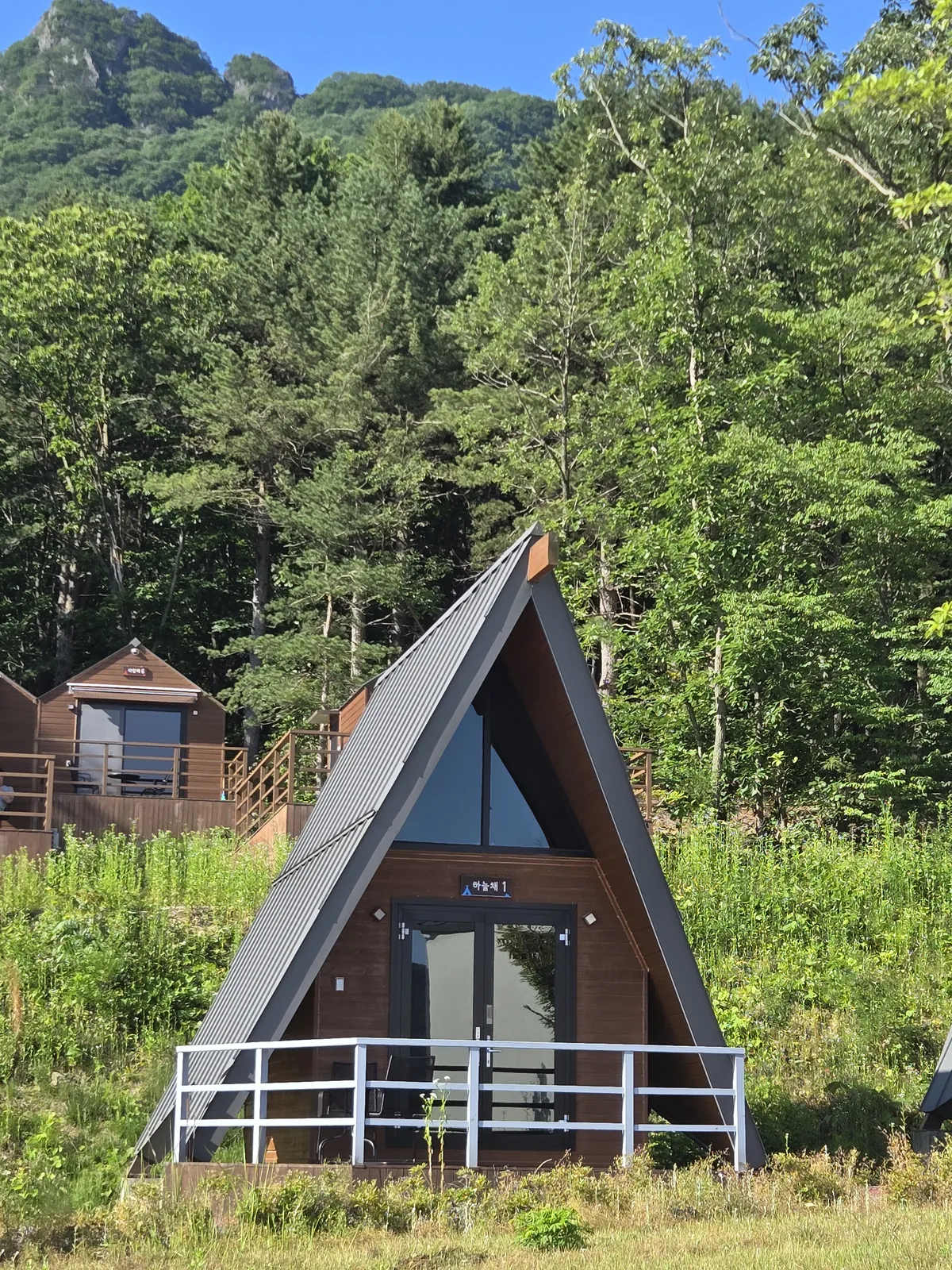
The Cooking Policy — Clarified
This trips people up. Cooking is prohibited inside the individual rooms. However, the restaurant building and common areas have a microwave, reusable tableware (washing up after use is mandatory), a Han River ramen cooking station, toaster, vending machine, and coffee machine. Simple food preparation — cup ramen, instant meals — is absolutely fine in these designated areas. Bring snacks and instant meal options for evenings; the restaurant itself is a smaller, separate building. During breakfast hours, basic cooking tools are available in the annex restaurant.
💡 Pro Tip:
Pack cup ramen, instant rice, and a few snacks. The common area handles breakfast and late-night hunger perfectly. Reusable water bottles are recommended — filtered water is available throughout the facility.
Other Facilities Worth Knowing
- Auditorium (100 seats), two lecture rooms (40 seats each), experience room (24 seats)
- Outdoor meditation forest, outdoor performance hall
- Main lobby with books and rest area
- Souvenir shop
- Electric vehicle charging station
- National Park Stamp Tour stamping station (국립공원 스탬프 투어)
- AED (automated external defibrillator) in rooms and main building
One practical note on parking: there is no direct parking in front of the 생활관 units. Use the main parking lot and carry luggage from there.
2026 Pricing at a Glance
Prices are per room per night. VAT (부가세) is additional for living quarters. Program fees are per person per session (approximately 3 hours).
| Room Type | Weekdays / Off-peak | Weekends / Peak |
|---|---|---|
| 4-person room | 66,000 KRW | 80,000 KRW |
| 6-person room | 99,000 KRW | 120,000 KRW |
| 8-person room | 132,000 KRW | 160,000 KRW |
| Nature’s House 3-person | 50,000 KRW | 60,000 KRW |
| Program fee (adult) | 4,900 KRW per person | |
| Program fee (youth and under) | 3,600 KRW per person | |
For context: six adults in three separate budget guesthouses would cost 150,000–200,000 KRW minimum. One 6-person eco room on a winter weekday costs 99,000 KRW total. Government-run facilities like this are routinely 30–50% cheaper than equivalent private accommodation for large groups, and this facility keeps everyone in the same space.
The Eco Programs: Not a Hike, Just a Walk
Every overnight stay requires mandatory participation in at least one eco-educational program. When I first read that condition, I imagined hauling my wife’s pregnant body and her aging South African in-laws up a mountain. What the program actually involved: walking slowly around the lake, picking up interesting leaves, and listening to a guide explain what each tree species was doing in winter. That was it.
The phrase I kept using when describing it to her parents: “Not a hike. Just a walk.” The National Park program Korea model is designed for accessibility, not exertion. Programs run approximately three hours and vary by season. Examples include the ‘사람이 자연 되는 내장호 트레킹’ (a gentle Naejangho Lake trekking experience) and ‘내장산 단풍 속 감성 여행’ (an autumn leaf observation walk). In winter, programs shift toward shorter, more contemplative routes through the forest — comfortable for mixed-age and mixed-fitness groups.
💡 Pro Tip:
Book your program slot at the same time as your room. The system links them. If you try to add a program separately after booking the room, availability may be limited for the exact time slot you need.
For families with children, the age-tiered pricing (youth and under at 3,600 KRW) and the genuinely gentle pace make these programs some of the best-value structured nature education available inside a Korean national park. There is also a National Park Stamp Tour stamping station on-site — a small detail that means a lot to families doing the stamp tour circuit.
Naejangsan Winter Activities and What to Expect
Winter is the overlooked season at Naejangsan. Everyone knows about autumn — the maple canopy turns the valley into something out of a painting, and the park gets genuinely crowded. But between December and February, the forest goes quiet. The paths clear. And if you are coming with a group that has never seen a Korean winter — bare-branched trees framing a frozen lake, frost on pine needles, the specific smell of cold mountain air — everything lands differently.
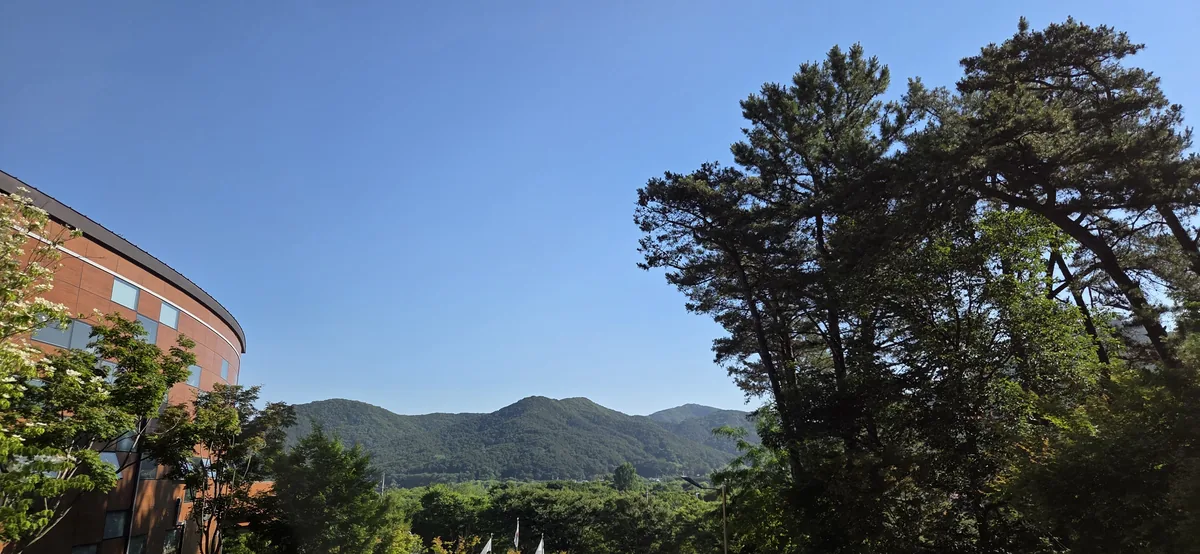
My wife’s family from South Africa had never experienced seasonal change the way Korea delivers it. The transformation was not just visual — it was full-sensory. Cold air, the crunch of frost, light coming through leafless branches at a low winter angle. For them, it was quietly extraordinary. For us, it was a reminder of how easy it becomes to stop noticing what surrounds you.
Winter Practicalities
- 자연의 집 (Nature’s House) suspended in winter: The smaller 3-person rooms are not available during parts of December through March. Book 생활관 rooms instead.
- Naejangsa temple shuttle: The shuttle bus to Naejangsa (내장사) temple runs less frequently in winter and may be suspended on some days. Confirm before building it into your itinerary.
- Program routes are shorter: Winter programs avoid the longer trails and focus on the lakeside and forest perimeter — exactly right for families with elderly members, pregnant travellers, or infants.
- Reservations are easier to secure: Two to three weeks’ advance booking is typically sufficient for winter weekdays. This is a meaningful contrast to the autumn lottery.
- Heating is reliable: Individual heating per room means you are not dependent on a centralised system. The rooms stay warm overnight.
💡 Pro Tip:
For families travelling with a newborn or infant, the combination of stable indoor heating, gentle outdoor program routes, and private bathroom in each room makes a winter eco stay significantly more practical than camping or a remote pension.
What no one tells you about eco-healing travel Korea is that the “healing” part is not a marketing word. It is the specific combination of clean air, forest proximity, absence of phone notifications, and the physical presence of people you love — conversation that actually goes somewhere because there is nowhere else to be. One night at Naejangsan was the opening moment of a two-week family trip. It set the tone for everything that followed.
What’s Nearby and How to Get There
Attractions Within Walking Distance
- Naejangho Lake walking path — the lakeside route runs directly from the eco-center; flat, easy, and genuinely beautiful in any season
- Naejangsan Maple Ecological Park — open year-round, particularly rewarding in winter for its structural beauty without the autumn crowds
- Sculpture Park — a short walk from the main facility
For those interested in nearby nature attractions accessible by public transport across Korea, Naejangsan sits on a well-connected rail and bus corridor that makes it viable even without a car.
Getting There
The most straightforward route from Seoul is a KTX or ITX train to Jeongeup Station (정읍역) from Yongsan or Seoul Station. From Jeongeup Station, take city bus 177 to the ‘단풍다리’ (Danpungdari — Maple Bridge) stop. The eco-center is accessible from there on foot or by short taxi ride.
If you are driving, be aware that there is no parking directly in front of the 생활관 units — use the main parking lot.
📍 Naejangsan Eco-Exploration Center
Address: 266 Naejanghobang-ro, Jeongeup-si, Jeollabuk-do, South Korea