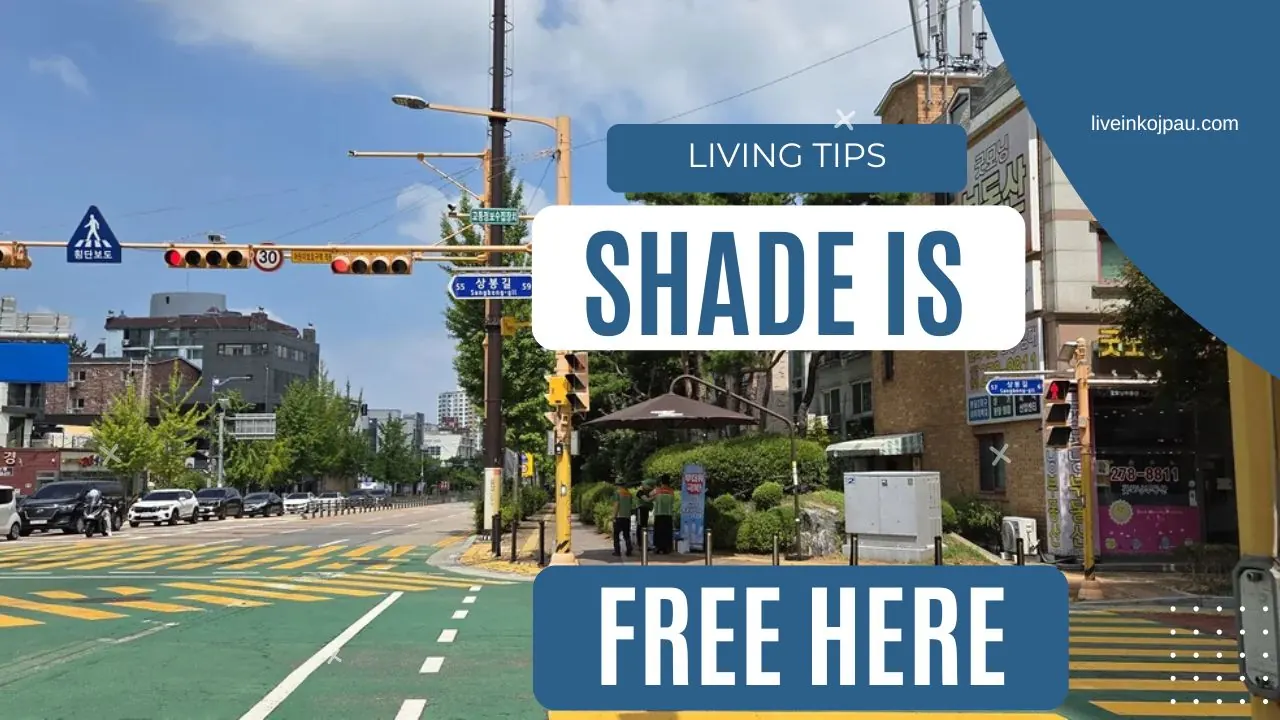
I was sitting in a bus shelter in Hwaseong, humidity so thick it felt like a sauna with the lid on, when an elderly man with a rickshaw full of cardboard pulled up and sat down beside me. He glanced at the ceiling, then at me, and said something in Korean — “Let’s rest a bit” — and pointed to a button on the pillar. I had no idea what he was pointing at. I looked, found the switch, pressed it, and a fan above us groaned to life, pushing cool air straight down. The old man smiled, exhaled, and said *시원하다* — refreshing. He hadn’t paused to help me so much as invited me to share what he already knew — and soon we were both sitting under the same stream of cool air. I thought about that for the rest of the day: my first real lesson in how to stay cool in Korean summer.
If you’re trying to figure out how to stay cool in Korean summer, the honest answer is: Korea will meet you halfway. More than halfway, actually. Between the public infrastructure and the quiet kindness of strangers, I kept discovering that this country puts genuine thought into looking after people who are just trying to get from one place to another in 35-degree heat. For more on how the city extends that care through free cold water distribution initiatives in Hwaseong-si and other local programmes, it’s worth seeing just how far that support goes. And if you want to understand the seasonal health challenges and wellness traditions in Korea more broadly, summer is its own education entirely.
📌 Quick Summary
Korea’s summer heat is humid and relentless — but the country has built a quiet network of public cooling amenities (crosswalk parasols, bus stop fans, cold-air blowers) to help people cope. Local governments like Hwaseong-si also deploy volunteers with free cold water during peak heat hours. Traditional culture adds another layer: Boknal feasting and the iiyeolchiyeol philosophy of fighting heat with heat. This post covers what to look for, what newcomers miss, and what makes Korean summer surprisingly human.
Korean Public Cooling Amenities: What You’ll Actually Find Outside
I’ve sweated through summers in Japan too, and Japan’s heat is technically hotter. But Korea’s humidity wraps around you differently — it’s the outside-sauna feeling that catches you off guard. What also catches you off guard, in a good way, is what Korea has installed to help you survive it.
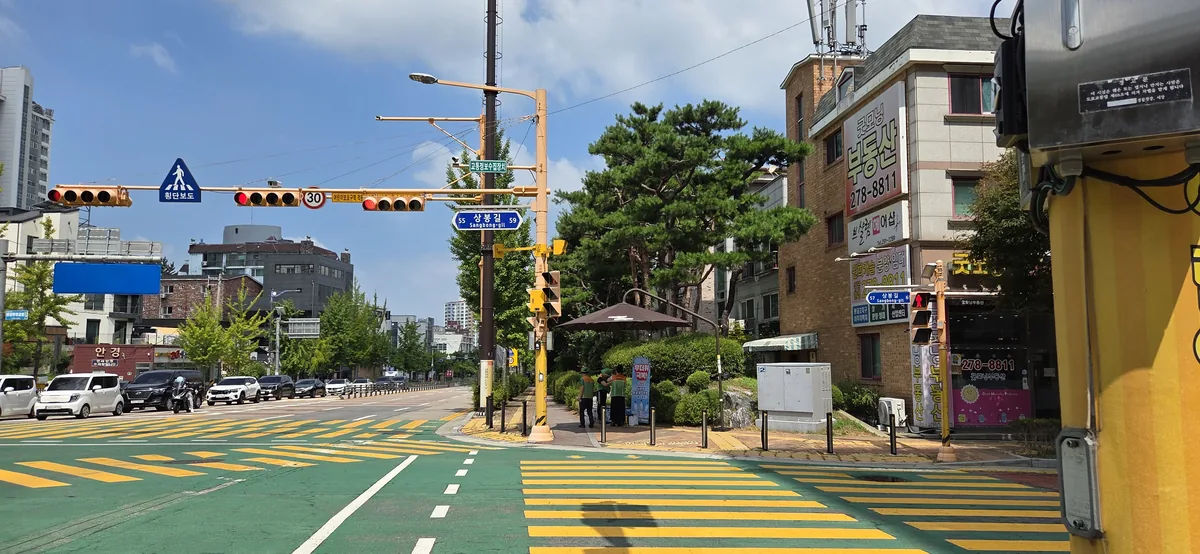
The first thing I noticed walking between bus stops was the crosswalk parasols. At almost every pedestrian light in Hwaseong, there’s a shade canopy stretched over the waiting area — not fancy, but effective. You stand underneath it while the light counts down, and the direct sun stops hitting you. They’re open all summer and folded away in winter. It’s such a small thing, and yet standing in the shade instead of baking on the pavement is the difference between arriving somewhere functional and arriving somewhere defeated.
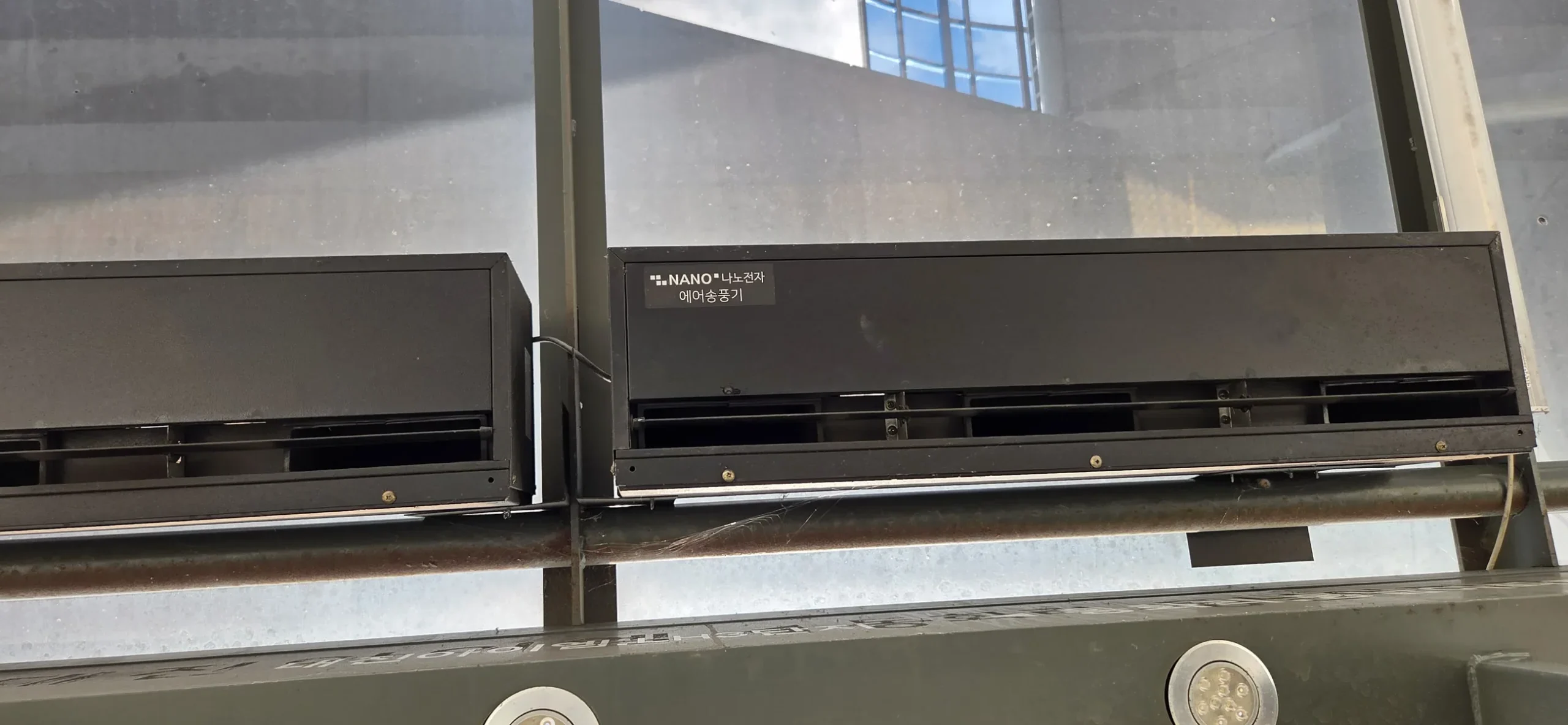
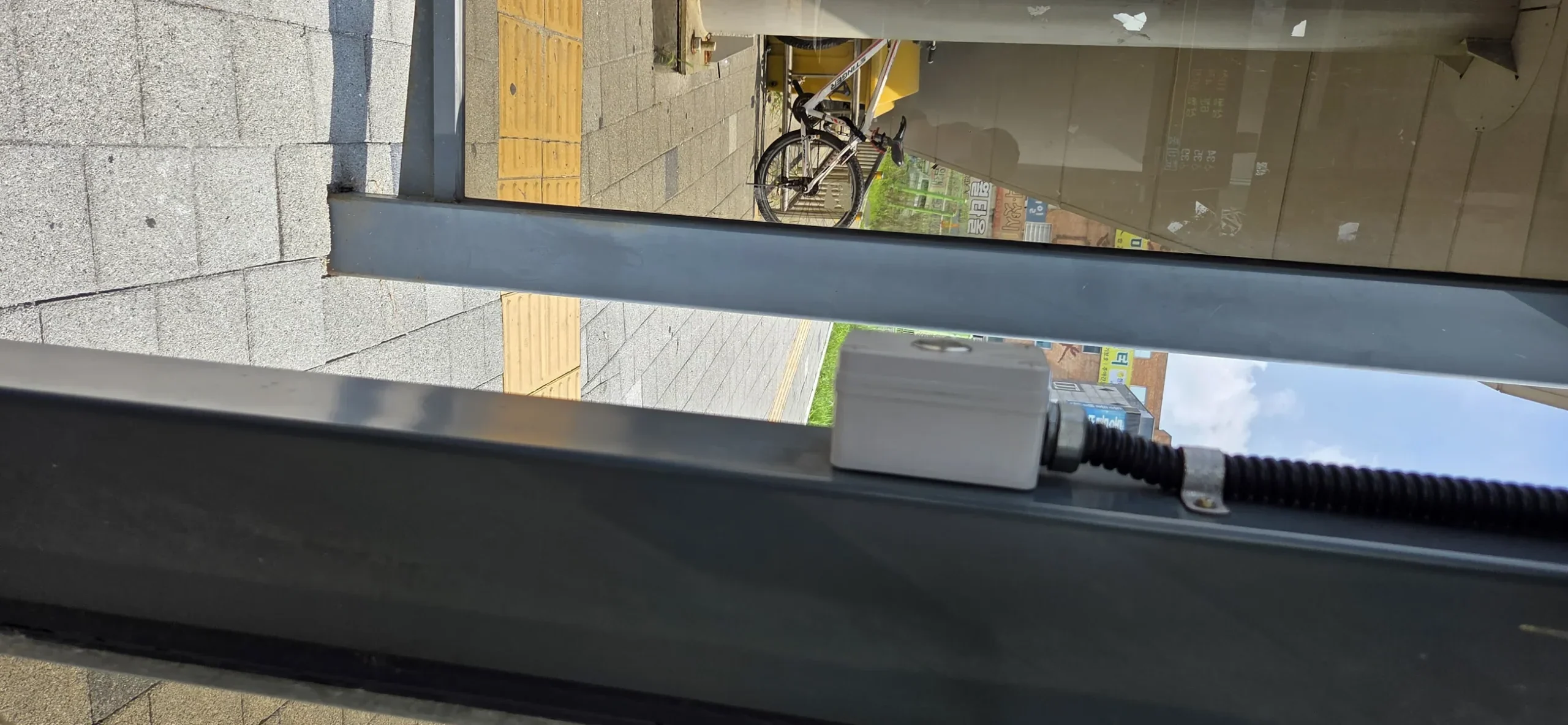
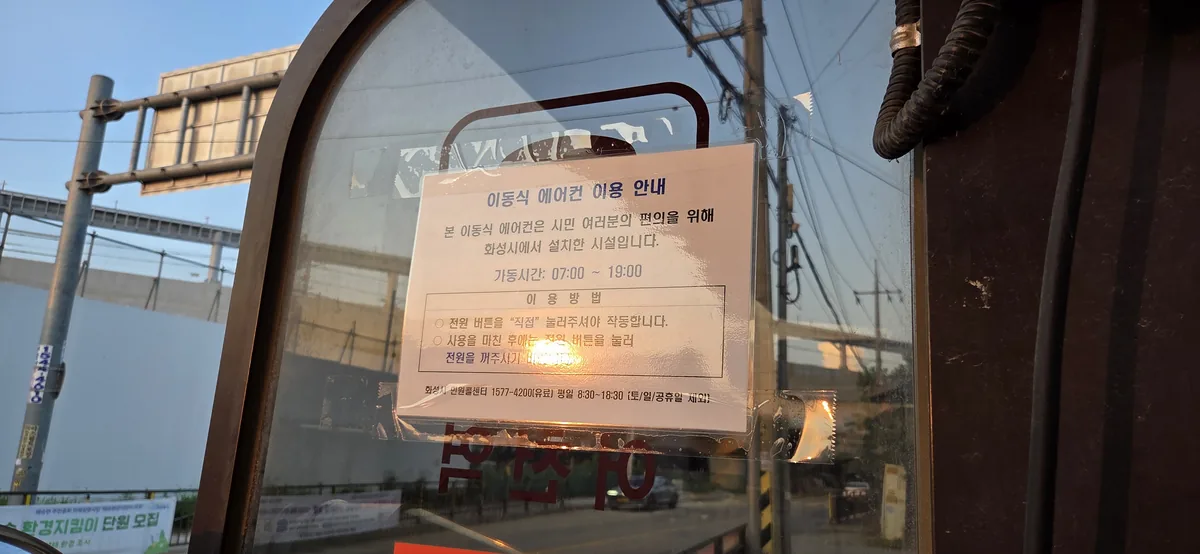
Bus stops offer two layers of cooling, though you have to know how to use them. The ceiling fan — and this is what I got wrong for an embarrassingly long time — does not turn on automatically. There is a switch on the pillar. That’s it. Press it and air comes down; don’t press it and you just sit there in the heat wondering why nobody installed a fan. The grandfather at my stop was the one who showed me. The fan also has a timer and shuts itself off automatically, so if the air stops after a few minutes, just hit the switch again.
💡 Pro Tip
Look for a small switch on the pillar of the bus stop shelter — it controls the overhead ceiling fan. It will not turn on by itself. If you don’t see it immediately, check at about shoulder height on the nearest upright support. New arrivals miss this constantly.
The cold-air machine near my apartment’s bus stop is a different beast. It runs on a timed schedule — daytime hours only, when foot traffic is highest — and disappears entirely in winter. It has two outlets. Point them toward you and the air it produces is genuinely cold, not just a gentle breeze. Cold enough that I’ve shifted from “please cool down” to “okay, that might actually be too much.” But here’s the catch: there are only two holes. If someone else is already using it, the move is to stand close and catch the overflow. You share the cold.
⚠️ Don’t Assume the Fan Is Broken
The ceiling fan at bus stop shelters requires a manual switch to activate — it has no automatic start. Many newcomers sit in the heat assuming the fan is broken or not installed yet. Check the pillar for a button first.
Local Government Summer Support in Korea: The Volunteers You Didn’t Expect
I was walking between stops on a route I don’t usually do on foot, working my way toward a traffic light, when I saw three people standing at the corner with an ice chest. At first I thought they were selling something. Then the light changed, I crossed, and they turned toward me with smiles and held out a frozen water bottle. Just like that. No explanation needed.
Korea’s Summer Caught You Off Guard?
From hidden bus stop fan switches to volunteer water stations, Korea’s heat-relief network isn’t always obvious. If you’re settling in and need help navigating local services, Jin can point you in the right direction.
I took the bottle. The cold hit my hand first — it was genuinely frozen, or close to it — and I held it for a moment before opening it. Walking in that heat, I had hit that particular wall where exhaustion and discomfort blur together. And then a stranger handed me cold water and smiled. I forgot the exhaustion. Not for long, but for long enough.
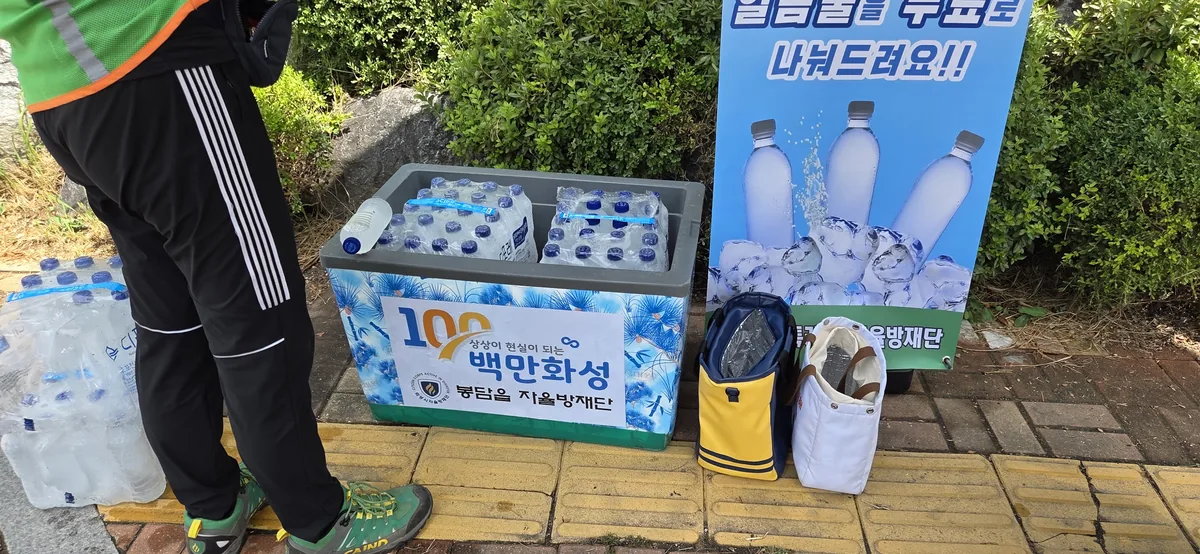
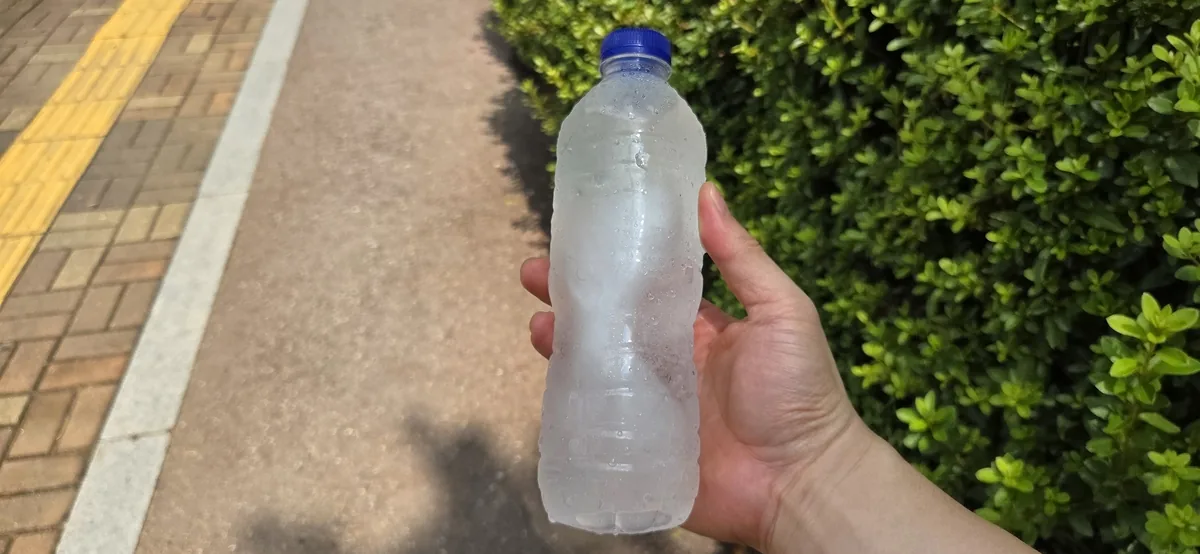
This is what I believe was a Hwaseong-si initiative — local government volunteers deployed during peak heat hours to distribute cold water to pedestrians. It doesn’t show up on a tourist map. There’s no sign marking it as infrastructure. It’s just three people with an ice chest at a corner. But that’s exactly what makes it land differently. According to Korea’s Ministry of Health and Welfare, heat relief support programmes operate across municipalities during the official heat wave period each year, and local governments like Hwaseong-si implement these through community welfare channels. The result, on the ground, is a stranger handing you cold water at a traffic light.
A common misconception among expats is that Korea’s public infrastructure is similar to Japan’s or Australia’s. It isn’t — at least not for outdoor heat relief. In Australia, summer heat is dry; you manage by staying in the shade or ducking indoors. In Japan, the heat is intense but I never once saw crosswalk parasols, volunteer water stations, or cold-air blowers at bus stops. Korea has all three. That gap is wider than most people expect before they arrive.
Korean Summer Food Traditions: Boknal and Iiyeolchiyeol
Korea’s approach to summer heat isn’t only structural — there’s a cultural philosophy underneath it too, and it runs counter to every instinct you have when it’s 35 degrees outside.
Boknal (복날 — bong-nal) refers to the three hottest days of the Korean lunar calendar year: Chobok, Jungbok, and Malbok, falling across July and August. According to the Korea.net cultural portal, these days have been observed for centuries as occasions to eat fortifying food that restores energy lost to the heat. The traditional choice is samgyetang (삼계탕 — samgyetang) — a whole young chicken stuffed with glutinous rice, ginseng, garlic, and jujube, simmered in broth until tender. Historically, people also ate dog meat or goat on these days, though those options are essentially gone from mainstream restaurants now.
The logic behind eating hot soup in summer heat is captured in a Korean phrase: 이열치열 (i-yeol-chi-yeol) — literally “fight heat with heat.” The idea is that sweating through a bowl of steaming samgyetang in an air-conditioned restaurant purges heat from the body, so that when you step back outside, the outdoor heat feels manageable by comparison. It sounds strange. It works, or at least it convinces you it works, which amounts to the same thing. Try it once.
I’ll be honest: I’ve moved past samgyetang at this point. There aren’t many restaurants serving it near where I live, and after a while the novelty fades. When Boknal comes around now, I tend to reach for a roasted whole chicken instead — the same warming logic, slightly different execution. But for anyone new to Korean summer food traditions, samgyetang remains the classic starting point, and eating it during Boknal still feels like the right cultural move.
One note on Korea’s summer heat pattern: the three Boknal dates shift slightly each year based on the lunar calendar, so check the current year’s dates rather than assuming they’re fixed. In 2026, peak heat and Boknal overlap squarely with August — plan accordingly.
Korean Summer Weather Challenges: What No Infrastructure Can Fully Fix
None of this means Korean summer is easy. The humidity is real, and it doesn’t care how many parasols are up. My daughter was born in July 2025, and the honest truth is that I don’t take her outside during the hottest part of the day in summer — we use air-conditioned cafes, indoor play areas, or drive with the car AC running. The infrastructure helps adults moving between fixed points. It doesn’t make the heat benign.
What it does is change the character of the experience. You’re not just fighting the heat alone. The city has thought about you — the person waiting at a bus stop, the person walking a long block under the sun — and done something about it. That shift, from heat as an indifferent force to heat as a problem someone tried to solve, changes how you carry it.
The grandfather at the bus stop didn’t have to pause. He was working in the same heat, harder than I was. But he sat down for a moment, found the switch, turned on the fan, and smiled when the air came down. 시원하다. That’s Korea’s summer, underneath the weather data and the infrastructure stats. Someone usually thought ahead — and if they didn’t, the person next to you probably knows the trick.
Autumn arrives faster than you think. Until then, find the shade, press the switch on the pillar, and take the water when someone offers it.
Frequently Asked Questions
How do I turn on the ceiling fan at a Korean bus stop shelter?
The ceiling fan at most Korean bus stop shelters does not start automatically — you need to press a manual switch located on one of the shelter’s upright pillars, usually at around shoulder height. If the air stops after a few minutes, the fan has a built-in timer and has switched itself off; simply press the button again. This is one of the most common things newcomers miss when figuring out how to stay cool in Korean summer.
What is the cold-air machine at Korean bus stops and when does it operate?
Some Korean bus stops, particularly in residential areas, have a cold-air blower unit installed nearby — a machine that produces genuinely cold air through two outlet holes. These units operate on a daytime schedule during high-traffic hours and are removed or shut down outside summer. If someone is already using the two outlets, standing close will still let you catch the edge of the airflow.
Does Hwaseong-si really hand out free cold water in summer?
Yes — volunteers deployed by the local government have been seen distributing free frozen or chilled water bottles to pedestrians at street corners during peak heat hours. This kind of heat relief programme is supported by Korea’s Ministry of Health and Welfare and implemented through community welfare channels at the municipal level. It won’t appear on a tourist map, but it’s real and it’s genuinely welcome when you’re walking in 35-degree humidity.
What is Boknal and what do people eat?
Boknal (복날) refers to the three hottest days of the Korean lunar calendar — Chobok, Jungbok, and Malbok — which fall across July and August each year. The traditional food is samgyetang (삼계탕), a ginseng chicken soup believed to restore energy lost to the heat. The dates shift slightly each year based on the lunar calendar, so check the current year’s schedule; in 2026, Boknal falls squarely in August.
What does 이열치열 (i-yeol-chi-yeol) mean and does it actually work?
이열치열 (i-yeol-chi-yeol) is a Korean phrase meaning “fight heat with heat” — the idea that eating something hot, like steaming samgyetang in an air-conditioned restaurant, makes the body sweat and then feel cooler when you return to the outdoor heat. Whether it’s physiology or convincing psychology, many people find it effective. If you haven’t tried it yet, Boknal is the natural occasion to give it a go.