📌 Quick Summary:
Korea’s delivery culture is fast, frictionless, and dangerously easy to over-rely on. This guide breaks down which Korean delivery dishes spike blood sugar, how to order smarter on Baemin and Coupang Eats, and what exercise routine actually works for busy expat families in Gyeonggi-do — without giving up delivery entirely.
My family doesn’t live off delivery food. We like cooking, and my mom sends packages of home-made side dishes from the countryside on a regular basis. But I’d be lying if I said I haven’t felt the pull of late-night fried chicken or a spicy 떡볶이 (tteokbokki — rice cake in chili sauce) after a long day with our daughter. And if I feel it with a relatively stable home routine, I can only imagine how strong that pull is for expats who arrived in Korea without the home-cooking habit to begin with. That’s the real risk I want to talk about here — and it has serious implications for blood sugar, weight, and long-term health.
Healthy Korean food delivery for expats isn’t an oxymoron. Traditional Korean cuisine, ordered correctly, can genuinely support good metabolic health. The problem is that the default delivery order — the one you tap when you’re exhausted, you can’t read the menu properly, and every option looks tempting — is almost never the right one. I’ve been researching what Korean endocrinologists actually say about this, and the picture is sobering. If you’re ordering food delivery in Korea as a foreigner, you need a strategy beyond just picking whatever has the most stars.
Diabetes Risks for Expats in Korea: The Symptom You Won’t Notice
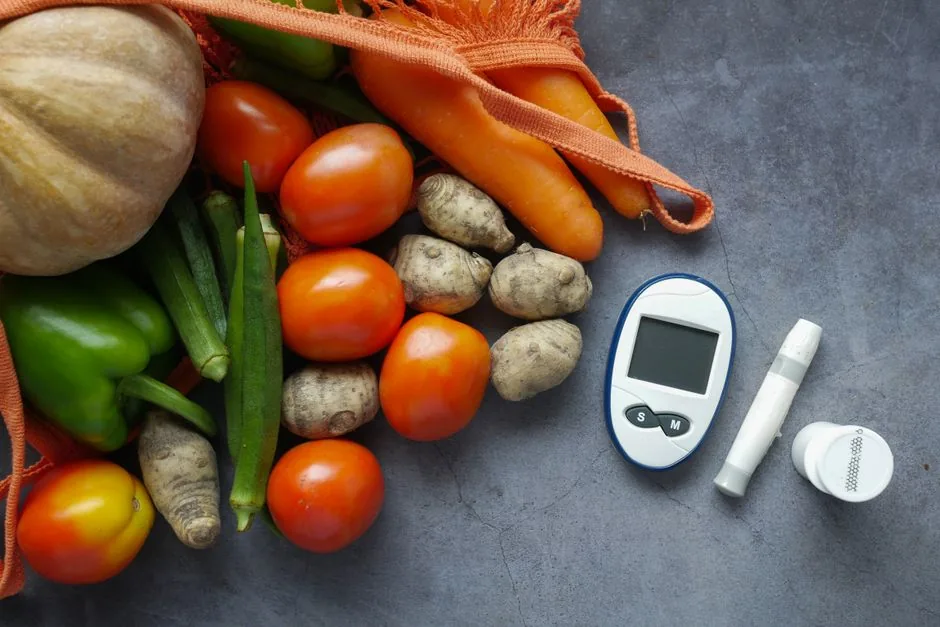
Here’s the misconception that matters most: people assume they’ll feel it when their blood sugar is too high. They assume there will be a clear warning, some obvious sign that things have gone wrong. In early-stage diabetes, there often isn’t one.
By the time the classic symptoms arrive — extreme thirst, frequent urination, persistent hunger paired with unexplained weight loss — blood sugar levels are typically already dangerously elevated. According to standard diagnostic guidelines, a normal fasting blood sugar level should sit below 100 mg/dL. A reading of 126 mg/dL or higher on a fasting test, or 200 mg/dL or higher two hours after a meal, indicates diabetes. The pre-diabetic range in between is where most people are quietly sitting without knowing it.

This is why regular health screening matters so much, particularly as you move through your late thirties and into your forties. Korea’s national health check-up system covers a lot of this. Don’t wait for a symptom that may never come.
Why Expats Are Specifically Vulnerable
My honest read on this: the delivery dependency problem isn’t laziness — it’s habituation, compounded by displacement. When you move to Korea, several things happen at once. Your familiar comfort foods aren’t available, or the ingredients to make them are hard to find. The local delivery ecosystem is extraordinarily frictionless — Baemin and Coupang Eats are faster, cheaper (in perceived effort), and more varied than almost anywhere else on earth. And Korean food is genuinely delicious, partly because it’s built around MSG and bold flavour combinations that train your palate to want more.
Struggling to Navigate Korean Delivery Apps?
Figuring out what you’re actually ordering — and whether it’s good for your health — is harder than it looks when the menu is entirely in Korean. Jin can help you decode delivery menus, find healthier options, and build habits that actually work for expat life in Korea.
Ask JinOnce you’re in that cycle, the appetite recalibrates. The food you’re eating is engineered — not maliciously, just commercially — to be maximally stimulating. You want stronger flavours, bigger portions, more frequent orders. It stops being a convenience and becomes the default. That’s where the health damage accumulates quietly.
When I was living in Australia with very little money and limited English, I cooked constantly out of necessity. It kept me healthy and saved money. Most expats arriving in Korea don’t have that same pressure forcing them into the kitchen — if anything, the pressure goes the other way.
And here’s why this matters more for us than for someone managing the same habits back home: when you’re far from family, in a second language, inside a medical and insurance system you don’t fully understand yet, getting sick stops being a minor inconvenience. Booking the right doctor, explaining what’s wrong, working out what your insurance actually covers, losing income because you can’t work — every one of those is harder here than it was at home. Staying healthy isn’t a vanity project when you’re an expat. It’s the closest thing you’ve got to an insurance policy.
Unhealthy Korean Delivery Dishes: What to Actually Watch Out For
The problem with delivery isn’t one ingredient. It’s the combination: excess calories, high sodium, rapidly absorbed carbohydrates, and MSG driving overconsumption. Here are the specific traps I’d flag.

The Rice Cake Trap
떡 (tteok — Korean rice cake) gets a pass from a lot of people because it’s made from rice, not wheat flour. It feels wholesome. It’s not. Tteok is extraordinarily carb-dense — gram for gram, it spikes blood sugar faster than a plain bowl of white rice. Tteokbokki in particular arrives in a sweet-spicy sauce that adds additional sugar on top. It’s one of the most popular delivery items in Korea. It’s also one of the worst choices for blood sugar management.
The Soup-and-Rice Habit
A deeply embedded Korean comfort food habit is eating rice directly mixed into a rich, salty broth — kimchi jjigae being the obvious example. The high sodium encourages you to eat faster and more. The rapidly absorbed white rice sends blood sugar climbing steeply. The portion sizes in delivery packaging are generous. Put those three things together and you have a reliable blood sugar spike with every order.

Single-Carb Dishes
Jajangmyeon (black bean noodles), delivery ramyeon, and most noodle-only orders share the same structural problem: they’re almost entirely carbohydrate, with minimal fibre and protein to slow absorption. These aren’t occasional indulgences for most delivery-dependent expats — they’re weeknight staples.
💡 Pro Tip:
If you’re not sure whether a dish is a carb bomb, apply a simple test: can you identify a significant protein or fibre source in it? If the answer is no, assume your blood sugar will spike and plan accordingly — eat some vegetables or protein first if you have them.
Healthy Korean Delivery Ordering Tips That Actually Work
The goal isn’t to delete the apps. It’s to stop ordering on autopilot. Traditional Korean food — ordered correctly — is genuinely excellent for blood sugar management. The problem is that the healthiest options are often not the first things you see on the menu.

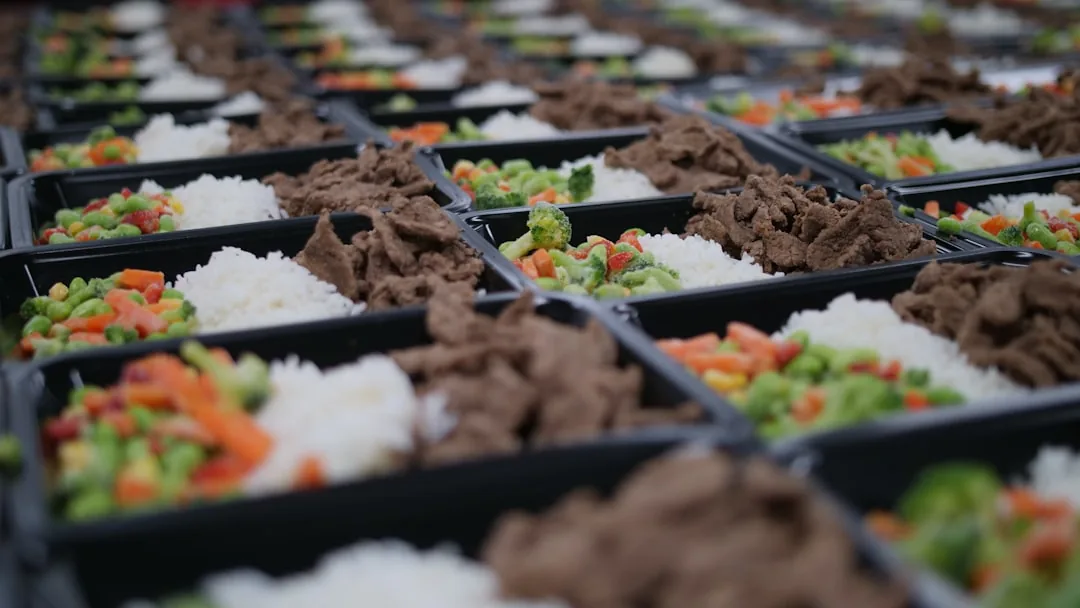
Instead of reaching for a single-dish carb delivery, look for traditional set meals (백반, baekban — Korean table d’hôte) that come with multiple small side dishes, 반찬 (banchan). These typically include fermented vegetables, protein, and fibre alongside the rice — exactly the kind of nutritional spread that moderates blood sugar response.
Instead of reaching for a single-dish carb delivery, look for traditional set meals that feature seafood-based banchan, since abalone seaweed soup is simpler to make than most expats expect and makes an excellent protein-rich side dish to complement your baekban.
The golden rule for eating any Korean meal: eat the vegetable and fermented side dishes first. Fibre consumed before carbohydrates significantly slows glucose absorption — instead of a sharp spike, you get a slower, more manageable rise. According to research published by the American Diabetes Association, meal sequencing — vegetables and protein before carbohydrates — is one of the most effective dietary strategies for post-meal blood sugar control.
If the app or restaurant gives you the option, swap plain white rice for 잡곡밥 (japgokbap — mixed grain rice). It’s a small change that meaningfully lowers the glycaemic load of the meal. Not every delivery place offers it, but enough do that it’s worth checking every time.
One barrier worth naming: a lot of foreigners can’t even get the delivery apps set up, because registration trips over 본인인증 (bonin-injeung — Korean identity verification), which usually expects a Korean phone number and ID. If that’s where you’re stuck — or you’re just unsure how to navigate the menus and find the right category of food — JustAskJin can help you get verified, work through ordering decisions, and figure out what you’re actually looking at on the app.
A Word on Korean Health Supplements
Walk into any Korean pharmacy or large supermarket and you’ll find entire walls of 홍삼 (hong-sam — red ginseng) and bitter melon products marketed as natural blood sugar remedies. I understand the appeal. But I’d treat this category with significant scepticism.
The bigger issue isn’t whether these supplements have any effect — it’s that many commercial red ginseng extract pouches contain substantial added sugar to mask the natural bitterness. If a health supplement tastes sweet and pleasant, it’s probably raising your blood sugar. Check the ingredient list for added sugars before buying, and don’t treat any supplement as a substitute for dietary change or prescribed medication.
Practical Exercise for Expats in Korea: Keep It Simple
When people get a bad blood sugar result, the instinct is to hit the gym hard. It doesn’t work like that. You can’t out-exercise a bad diet — an hour on the treadmill doesn’t undo a red bean pastry. Exercise and diet work together; neither one rescues the other.
The standard medical recommendation is 150 minutes of moderate aerobic activity per week, ideally spread across multiple sessions rather than crammed into weekends. The World Health Organization’s physical activity guidelines support this figure for adults managing metabolic health. For practical purposes, that’s roughly 50 minutes of brisk walking or light aerobic exercise every other day.

If you’re based in Hwaseong or the wider Gyeonggi-do area, this is entirely achievable without a gym membership. A brisk 50-minute walk — not a stroll, but the pace where you’re lightly sweating and your breathing is noticeably elevated — covers the requirement. There are walking paths and parks throughout the area that make this realistic even with a young child in a pram. If you have back problems or joint issues, look into local community centre pools — 수영 (suyeong — swimming) and aqua aerobics are low-impact and highly effective for insulin sensitivity.
The combination matters: aerobic exercise burns glucose, while light resistance training builds muscle mass, which improves long-term insulin sensitivity. You don’t need a complex programme. You need consistency. Managing seasonal health changes and fatigue management is something that catches a lot of expats off guard in Korea — building a movement habit early makes that significantly easier.
Family History and Gestational Diabetes: Higher Stakes Than Most People Realise
This section is particularly relevant for multicultural families. If your partner experienced gestational diabetes during pregnancy — and this is more common than many realise, particularly in complicated or preterm deliveries — the long-term risk shifts a lot more than most people assume. It’s not a small bump, and it doesn’t politely wait until your forties: a history of gestational diabetes makes Type 2 diabetes many times more likely than a pregnancy with normal blood sugar, and a good chunk of that risk shows up in the first decade after birth. That’s exactly why postpartum weight management and a regular (at least yearly) blood sugar check aren’t optional — the test is how you catch the change early, while it’s most manageable. Don’t file it under “deal with it later.”

Genetics compound the picture. Around one in seven Korean adults over 30 — about 15.5% — lives with diabetes, according to the Korean Diabetes Association‘s annual fact sheet, but if both parents have diabetes, some estimates put individual lifetime risk above 35%. The important framing here isn’t fatalism — it’s that a 35% risk still means a 65% chance of avoiding the condition entirely through lifestyle choices. That’s meaningful leverage.
The practical upshot: if you or your partner have any family history of diabetes, gestational diabetes history, or are approaching forty, get a fasting blood glucose test done now. Don’t wait for symptoms. They may not come until the problem is already serious.
The Bottom Line
I’m not telling you to swear off delivery. Korea’s delivery infrastructure is genuinely one of the better things about living here, and I’d be hypocritical to pretend otherwise. What I’m saying is: stop using it as an unexamined default.
The fix isn’t dramatic. Order traditional set meals with plenty of banchan instead of single-carb dishes. Eat the vegetables first. Swap to mixed grain rice when you can. Learn a few Korean recipes — and learn them from Korean-language YouTube channels and blogs rather than the “localised” English or Japanese versions, which drift from how the food is actually made. It doubles as Korean practice, and asking your Korean coworkers and friends how they cook is its own shortcut. Finding local ingredients you’ve never cooked with before is one of the more interesting parts of living here. Move for 50 minutes every other day. Get your blood glucose checked before you think you need to.
Korea is a great place to build a healthy life. The food culture, at its best, is well-suited to it. But the delivery version of that food culture, ordered without thought on a tired weeknight, is a different thing entirely — and that distinction is worth holding onto.
Frequently Asked Questions
Does Korea’s delivery culture actually cause health problems, or is it just about willpower?
It’s much more than willpower. Korea’s delivery ecosystem is engineered for frictionless, high-frequency ordering — and the food itself is calibrated for bold flavours that encourage overconsumption. For expats who arrive without a strong home-cooking habit and can’t easily source familiar ingredients, the pull toward delivery becomes structural, not just a matter of self-control. Healthy Korean food delivery for expats is achievable, but it requires a deliberate strategy rather than relying on default choices.
What are the worst Korean delivery dishes for blood sugar?
Tteokbokki (rice cakes in chili sauce), jajangmyeon (black bean noodles), and delivery ramyeon are among the highest-risk options — they are almost entirely rapidly absorbed carbohydrates with minimal fibre or protein to slow glucose uptake. Rice-in-broth dishes like kimchi jjigae sets also pose a risk because high sodium drives faster eating and larger portions. If a dish doesn’t have a clear protein or fibre source, treat it as a blood sugar spike waiting to happen.
How do I order healthier food on Baemin or Coupang Eats?
Look for 백반 (baekban — traditional set meal) options rather than single-dish orders. These come with multiple banchan (side dishes) including fermented vegetables and protein, which moderate your blood sugar response. Always eat the vegetable and fermented sides first before touching the rice. If the option is available, request 잡곡밥 (japgokbap — mixed grain rice) instead of plain white rice — it significantly lowers the glycaemic load of the meal.
How much exercise do I actually need to offset a delivery-heavy lifestyle?
The honest answer is that you cannot exercise your way out of consistently poor food choices — the two have to work together. That said, the WHO recommends 150 minutes of moderate aerobic activity per week, which for most people in Gyeonggi-do translates to roughly 50 minutes of brisk walking every other day. This level of activity genuinely improves insulin sensitivity over time when paired with better food choices. It doesn’t require a gym — local parks and walking paths in Hwaseong make this achievable even with young children.
Should I be worried about diabetes if my partner had gestational diabetes?
Yes — and it’s a bigger risk than most people think. A history of gestational diabetes makes Type 2 diabetes many times more likely than a pregnancy with normal blood sugar, and much of that risk shows up in the first ten years after birth rather than decades later. Annual fasting blood glucose tests and postpartum weight management are the most practical tools for catching it early, before any symptoms appear — so they’re worth treating as routine, not optional.