📌 Quick Summary:
Korea’s express buses are comfortable, punctual, and surprisingly affordable — especially for airport transfers. The BusTago app lets you book seats in English (or Japanese, Chinese, or Korean), choose your seat, and pay with Naver Pay, Kakao Pay, or a regular card. Your ticket arrives as a QR code you scan at the gate. This guide covers everything: how to book, what to expect with your luggage, and when not to book in advance.
If you’ve ever stood in an airport arrivals hall dragging two suitcases and a carry-on, wondering how on earth you’re getting back to Hwaseong without paying a small fortune for a taxi, this one’s for you. Learning how to book express bus tickets Korea style — using the BusTago app — genuinely changed the way I travel here. And if you think you already know the train option, check out my guide on how to book trains in Korea first, because these two options cover very different ground. For airport transfers especially, the express bus wins more often than you’d expect.
The common assumption is that the subway or a taxi is just what you do. The subway sounds economical until you’re switching lines with a 28-inch suitcase at rush hour, and a taxi from Incheon to Hwaseong solo isn’t cheap. What most people — including long-term expats — don’t realise is that the express limousine bus is often more comfortable than a taxi, not less.
Why Korean Express Buses Are Such a Good Option
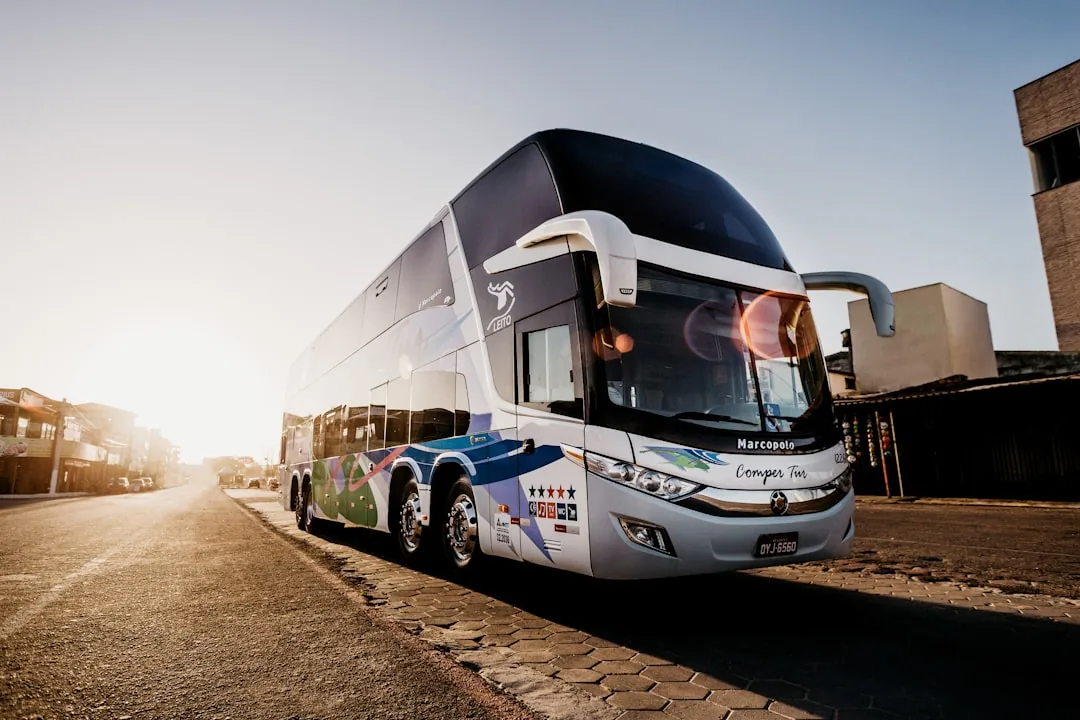
I’ve taken airport buses in Australia and Japan. Both are fine. But Korea’s system has a specific edge that took me a while to fully appreciate: the 버스 전용차선 (beoseu jeonnyong chason) — dedicated bus-only lanes. Even when the expressway is backed up with regular traffic, the bus keeps moving. That predictability matters enormously when you have a flight to catch.
The seats themselves are wider than you’d expect — wider than a standard taxi, honestly. You can recline the angle. There’s USB charging at your seat. WiFi on board. For a long transfer like Hwaseong to Incheon, that’s not a small thing. You’re not white-knuckling it through traffic; you’re actually just sitting there, phone charging, catching up on messages. With a baby in tow, that calm matters even more.
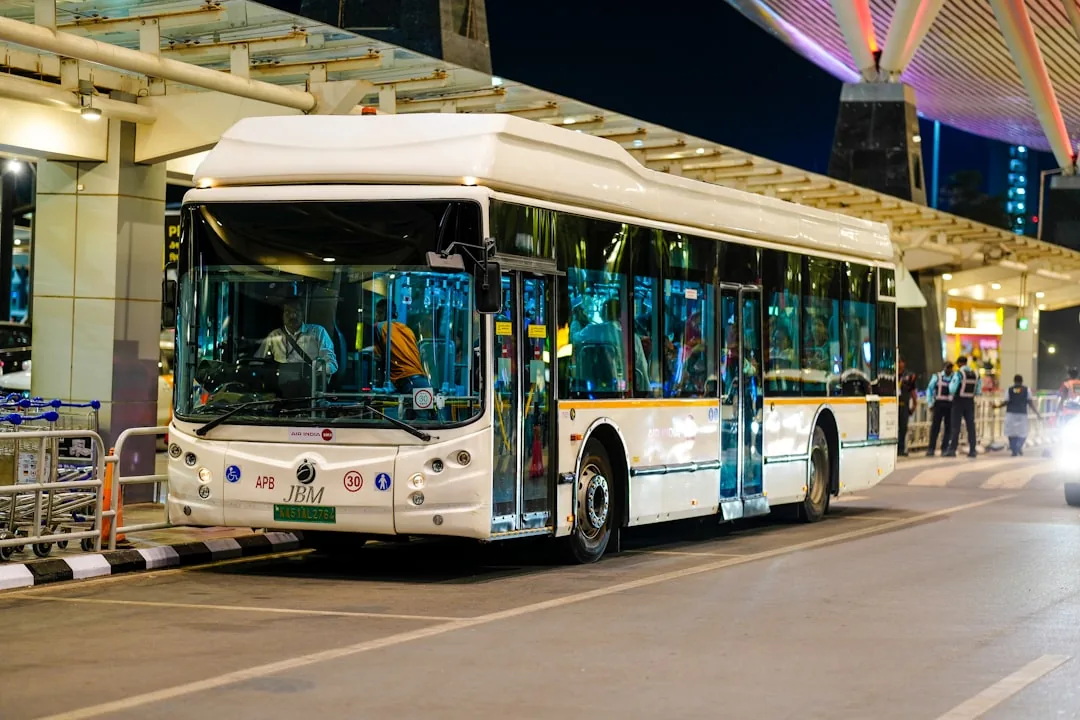
Cost-wise, a limousine bus from the Hwaseong area to Incheon runs a fraction of what a solo taxi costs. Incheon International Airport’s bus terminal handles departures from both Terminal 1 and Terminal 2, with routes covering a huge range of destinations across Gyeonggi Province and beyond. Routes are extensive enough that there’s usually a stop within reasonable distance of wherever you’re staying.
One more thing worth saying plainly: not having to drive means you can actually relax. No parking fees building up for a week while you’re overseas. No navigating after a 12-hour flight at midnight. That peace of mind has real value.
BusTago App Features and Tips: A Step-by-Step Booking Guide
Navigating Korean Apps Feeling Tricky?
If you’re stuck on payment setup, language settings, or any other local practicality that’s hard to Google in English, Jin can help. Get clear, friendly guidance from someone who’s lived it.
Ask JinThe app is called BusTago (버스타고), and you can download it from the BusTago official site or directly from the Google Play Store or Apple App Store. Once it’s installed, here’s how the flow works.
Step 1 — Set your language. In the top-left corner of the app, there’s a language selector. You can switch between Korean, English, Japanese, and Chinese. Do this first. One small caveat: destination names can appear slightly differently depending on which language you’re in, so double-check your destination before confirming — a stop might be listed under a different romanisation or translated name in the English version.
Step 2 — Enter your route and date. The main screen has fields for departure point, destination, and date. You can book one-way or round-trip. Select your travel date and tap search.
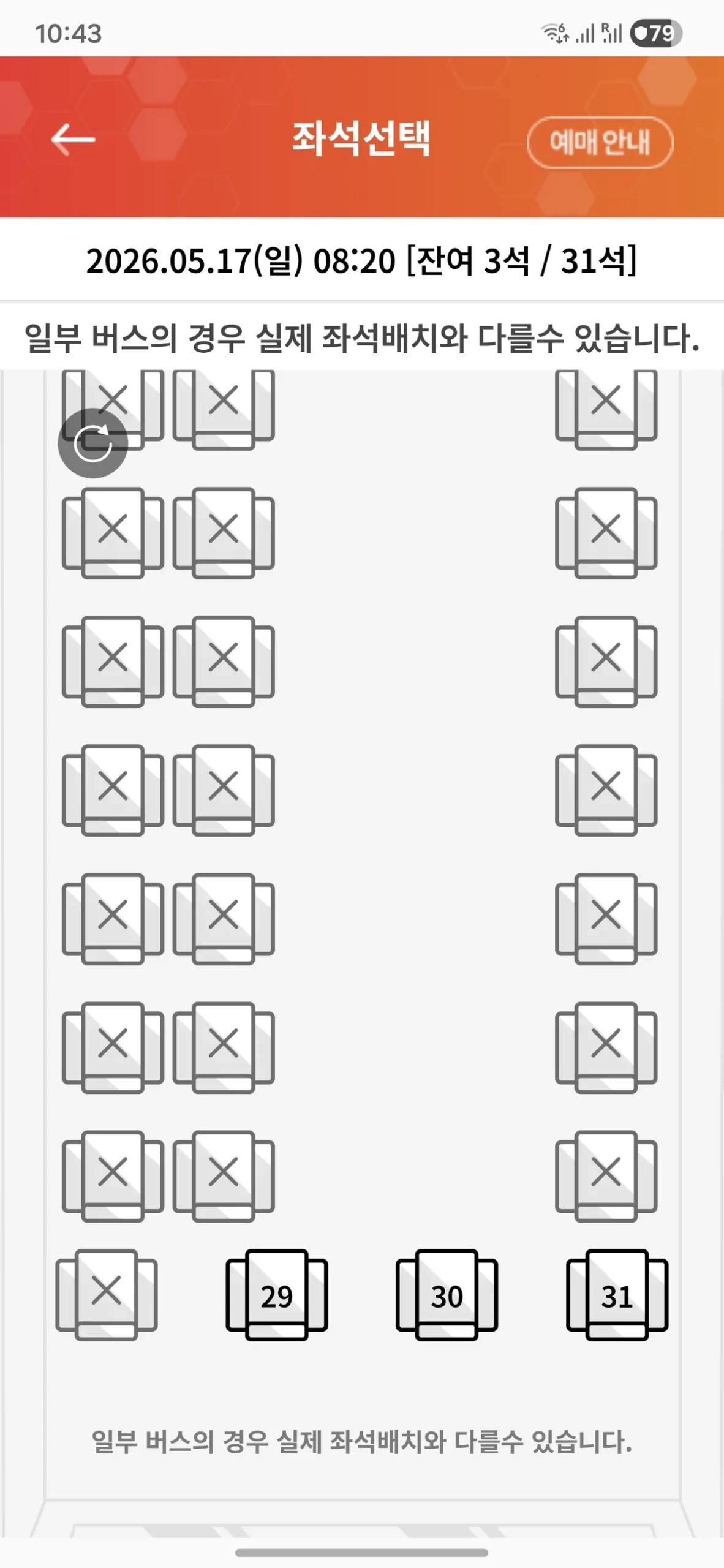
Step 3 — Choose your departure time and seat. The results show all available buses for that date. Tap a time that works, and you’ll be taken to a seat selection map. Pick your preferred seat — window, aisle, front, back, it’s all visible.
Step 4 — Pay. Payment options split into two categories. Standard payment accepts regular credit/debit cards and corporate cards. Easy payment (간편결제 — ganpyeon gyeoljae) supports Naver Pay, Kakao Pay, and PAYCO. Choose what you have set up.
💡 Pro Tip:
If you’re booking for a friend — say, a visiting family member arriving in Korea — you can book under your own name and simply send them a screenshot of the QR code via messenger. The gate scanner only reads the QR; it doesn’t verify identity. Handy when someone needs a ticket but doesn’t have the app set up yet.
Step 5 — Use your QR ticket. Once payment goes through, your 전자승차권 (jeonja seungchagwon) — electronic ticket — is issued as a QR code. At the bus terminal, scan it at the gate reader and you’re through. You can also add the ticket to Samsung Wallet for quicker access.
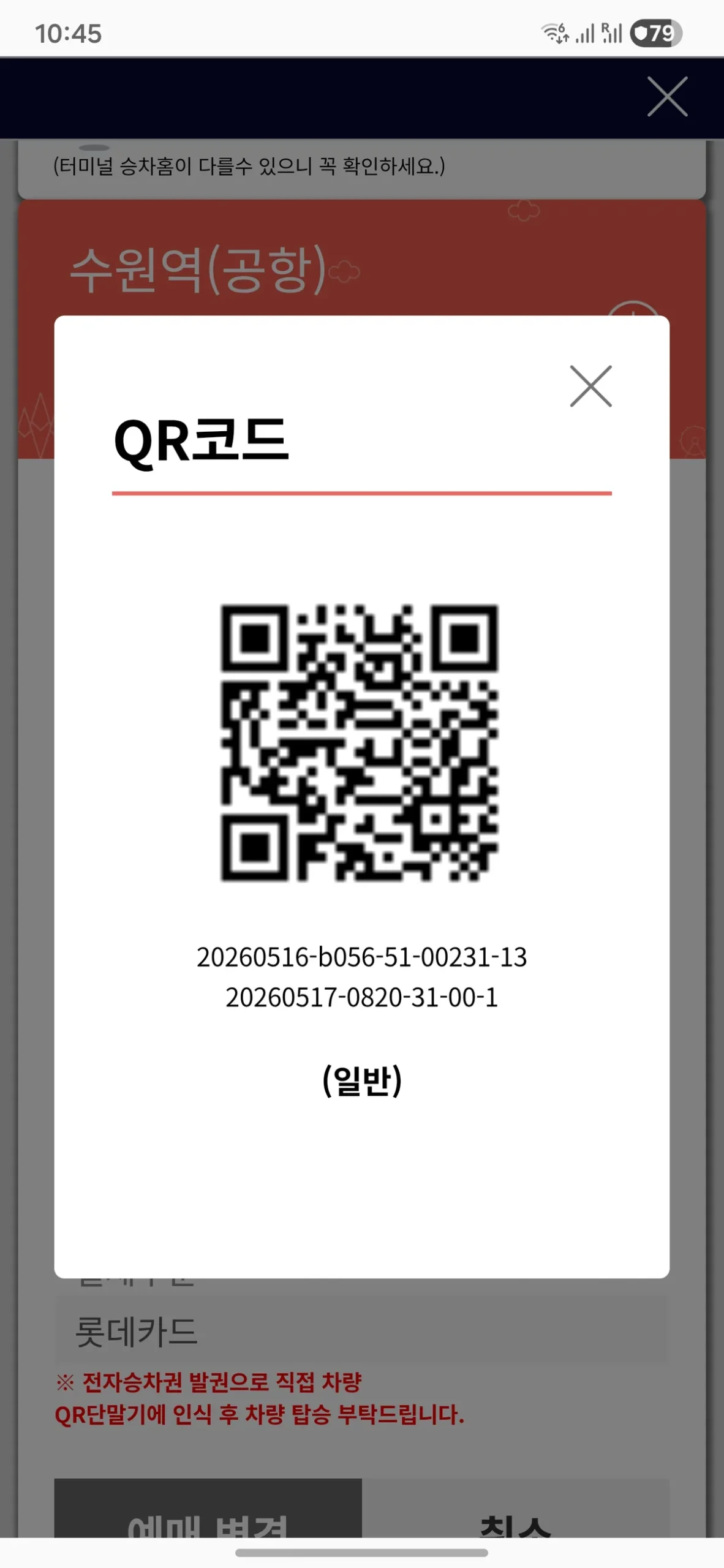
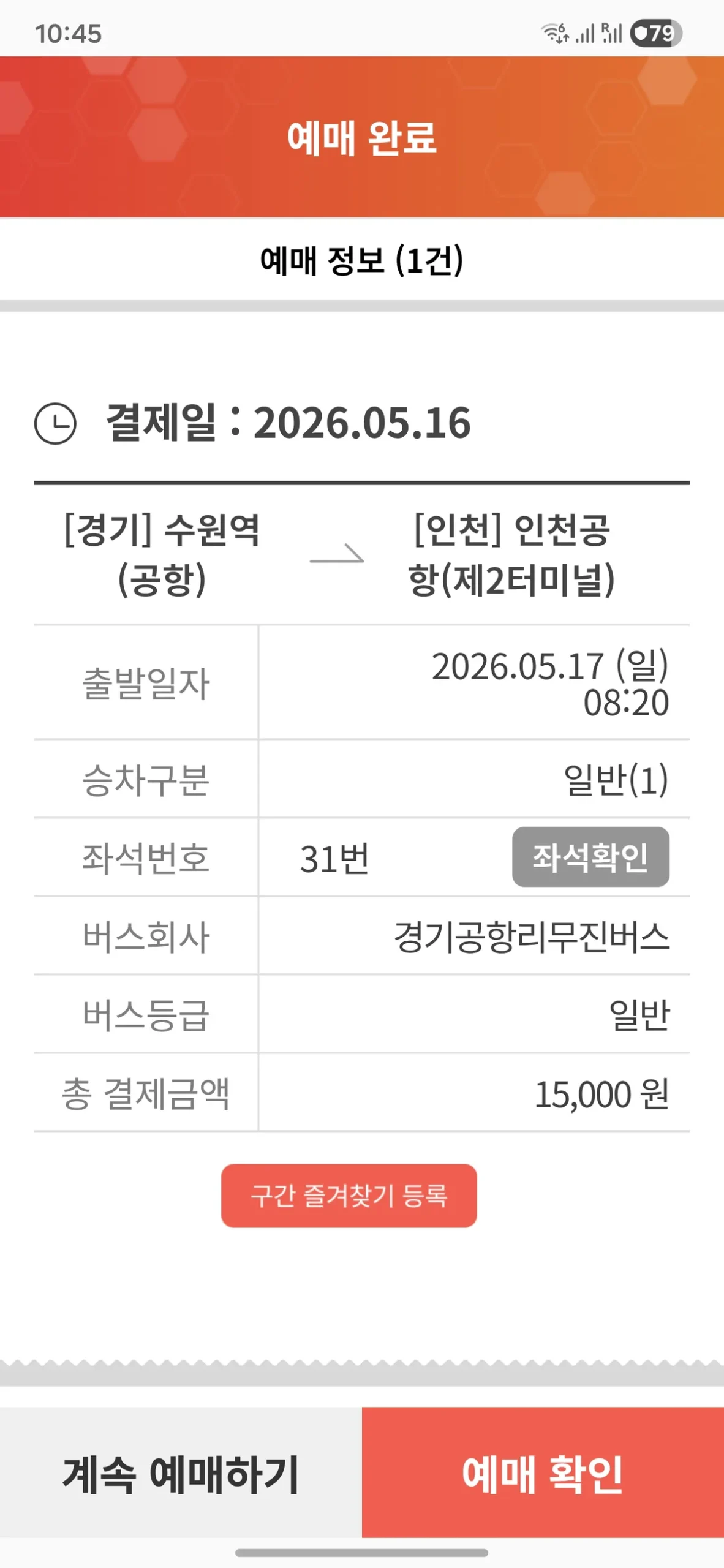
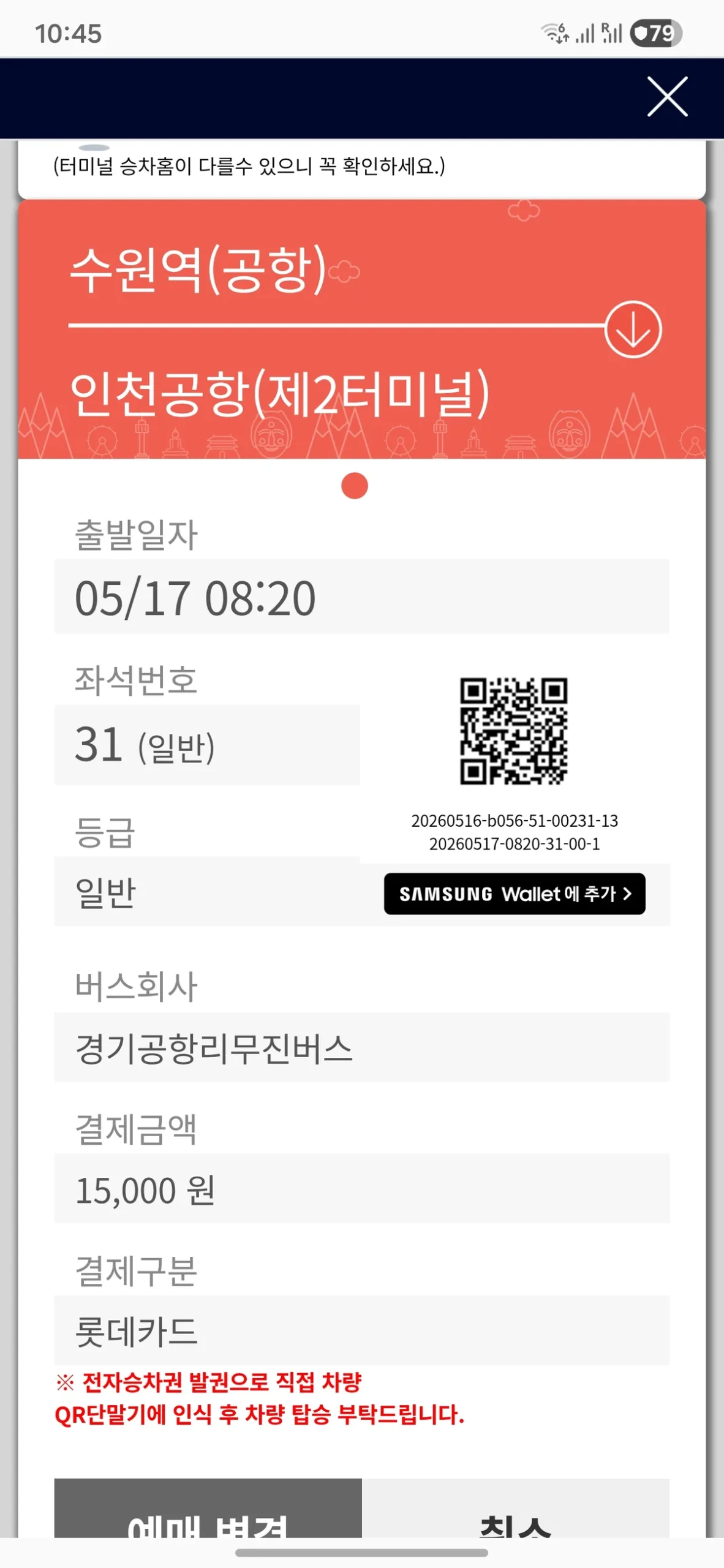
If any of this feels unclear or you run into language barriers navigating the app settings, JustAskJin is there for exactly this kind of thing — questions about Korean apps, payment setups, and local practicalities that are hard to Google in English.
Incheon Airport Express Bus Guide: Going Versus Coming Back
Here’s a distinction I think is genuinely worth making: book in advance when you’re heading to the airport, but consider waiting when you’re coming back.
Popular routes — especially those connecting Incheon to major Gyeonggi cities — do fill up. If you’re catching a morning flight, don’t assume there’ll be seats available if you just show up. Book through BusTago the night before or earlier.
Coming home is different. Flights get delayed. Connections get messy. If you’ve pre-booked a bus home for 7pm and your flight lands at 8:30pm, you’ve lost your ticket. On arrival, just head to the airport bus kiosk — they’re clearly marked at both terminals — and buy on the spot. It usually works out fine, and you keep the flexibility you need after a long journey.
💡 Pro Tip:
Aim to arrive at the airport at least three hours before an international flight. Factor that buffer into which bus time you book — and if you’re traveling during peak holiday seasons, add extra margin.
Korea Express Bus Luggage Policy: What You Can Actually Bring
Large bags go in the 짐칸 (jimkan) — the luggage compartment underneath the bus. The driver will help you load them, and in my experience Korean bus drivers are genuinely kind and helpful about it. Don’t stress about this part.
The official per-person luggage allowance is:
- Suitcases 25 inches or smaller: up to 2 bags
- Suitcases 28 inches or larger: 1 bag only
- Total dimensions: length + width + height must be 160 cm or under
- Weight limit: under 30 kg per bag
Oversized or overweight luggage may be refused or subject to an additional fee. Backpacks, handbags, and smaller carry items fit in the overhead storage inside the cabin. Keep your passport, wallet, and valuables with you at all times — don’t put anything irreplaceable in the hold.
For families with a 유모차 (yumoja) — stroller — or extra baby gear, the hold compartment is large enough in most cases, but it’s worth confirming at the terminal if you have something bulky.
Refund Policy: Know Before You Cancel
Plans change. Here’s what the cancellation fees look like, so there are no surprises:
- More than 2 days before departure: No fee — full refund
- 1 day before up to 1 hour before departure: 5% cancellation fee
- Within 1 hour of departure: 10% fee
- Up to 6 hours after departure: 30% fee
- More than 6 hours after departure: No refund
The takeaway: if you need to cancel, do it early. Two days out is the clean cutoff. Waiting until the last hour gets expensive fast.
💡 Pro Tip:
These policies and app features do get updated occasionally. Always verify current details directly on the BusTago official website before booking, especially if it’s been a while since you last used the service.
If you’re weighing up whether to drive yourself and deal with the whole Incheon Airport parking situation, take a look at the guide on getting an International Driving Permit — useful context for understanding your driving options here in Korea. But for airport runs, especially solo ones? The bus is, more often than not, the smarter call.
Frequently Asked Questions
Can I use the BusTago app in English?
Yes. The BusTago app supports English, Japanese, Chinese, and Korean. You can change the language using the selector in the top-left corner of the app. Note that destination names may appear slightly differently in each language, so double-check your stop before confirming your booking.
What payment methods does BusTago accept?
BusTago accepts standard credit and debit cards as well as Korean easy payment options including Naver Pay, Kakao Pay, and PAYCO. Corporate cards are also supported under the standard payment category. Always verify current payment options on the BusTago official website, as these can change.
How do I use my ticket once I’ve booked through BusTago?
After payment, BusTago issues a QR code as your electronic ticket (전자승차권). At the bus terminal, scan the QR code at the gate reader and you’re cleared to board. You can also add the ticket to Samsung Wallet for quicker access on the day.
What is the luggage allowance on Korean express buses?
The standard Korea express bus luggage policy allows one person to bring up to 2 suitcases of 25 inches or smaller, or 1 suitcase of 28 inches or larger. Total dimensions (length + width + height) must be 160 cm or under, and each bag must weigh under 30 kg. Oversized or overweight luggage may be refused or subject to an additional fee.
Should I book my return bus from Incheon Airport in advance?
It’s generally better to wait and buy at the airport kiosk on your way home. Flights get delayed and connections can change, so a pre-booked ticket for a specific departure time can become a problem. When heading to the airport, however, booking in advance through BusTago is recommended — especially on popular routes during peak travel periods.