- → What Is 춘곤증? The Spring Fatigue Expats Never See Coming
- → Yellow Dust Korea Health: The Invisible Threat Outside Your Window
- → The 4-Step Hwanjeolgi Immunity Survival System
- → Korea Pharmacy Cold Medicine: What to Actually Buy
- → Seasonal Immunity Tips Korea Locals Swear By
- → The Air Conditioner Warning Nobody Gives You
It was 2pm on a weekday, that drowsy post-lunch hour when the whole world seems to slow down. My wife and I were sitting on the swing chair in our apartment complex in Hwaseong, our daughter in my arms. The cherry blossoms were technically finished — but pink petals were still drifting off the ground, catching the breeze and floating past us in a way that was genuinely beautiful. Then my wife said it: she’d been feeling so tired lately. Low energy. Couldn’t explain it. As someone who grew up in Korea and understands navigating local health services in Hwaseong, I knew immediately what was happening. This is Korea spring fatigue expats hwanjeolgi — and almost no one who moves here is warned about it.

What Is 춘곤증? The Spring Fatigue Expats Never See Coming
춘곤증 (pronounced chun-gon-jeung) is a deeply Korean concept. There is no direct English word for it, no Japanese equivalent. It translates roughly as “spring fatigue syndrome” — that particular exhaustion that hits when winter finally breaks and your body, which has spent months conserving energy and regulating against the cold, suddenly has to recalibrate for warmth, longer days, and dramatic temperature swings. For Koreans, it is as familiar as hayfever is to Australians. For expats, it arrives completely unannounced.
My wife had never heard the word. She’d been attributing her tiredness to the baby, to disrupted sleep, to stress — all fair, all probably true to some degree. But the season itself was also doing something to her body that she didn’t have a framework to understand. That gap in knowledge is exactly what this post is about.
📌 Quick Summary:
Korea’s hwanjeolgi (환절기) — the seasonal transition period — causes extreme daily temperature swings of 10°C or more. Your body burns roughly 15% more energy just trying to thermoregulate. Combined with drier air, surging yellow dust levels, and reduced sunlight, it quietly dismantles your immune defenses before you even realize you’re run down.
Australia’s seasons are milder and, importantly, run opposite to Korea — Australian winters happen during Korean summer. I’ve watched Australians arrive here wearing heavy jackets in weather that honestly feels mild to me, because they have no reference point for a real Korean winter. Japan is different again: hotter and more humid than Korea, but considerably less cold. Hayfever is a major issue in Japan; yellow dust is not. Every country has its seasonal struggle. Korea’s version arrives in spring and it is quietly brutal.
Yellow Dust Korea Health: The Invisible Threat Outside Your Window
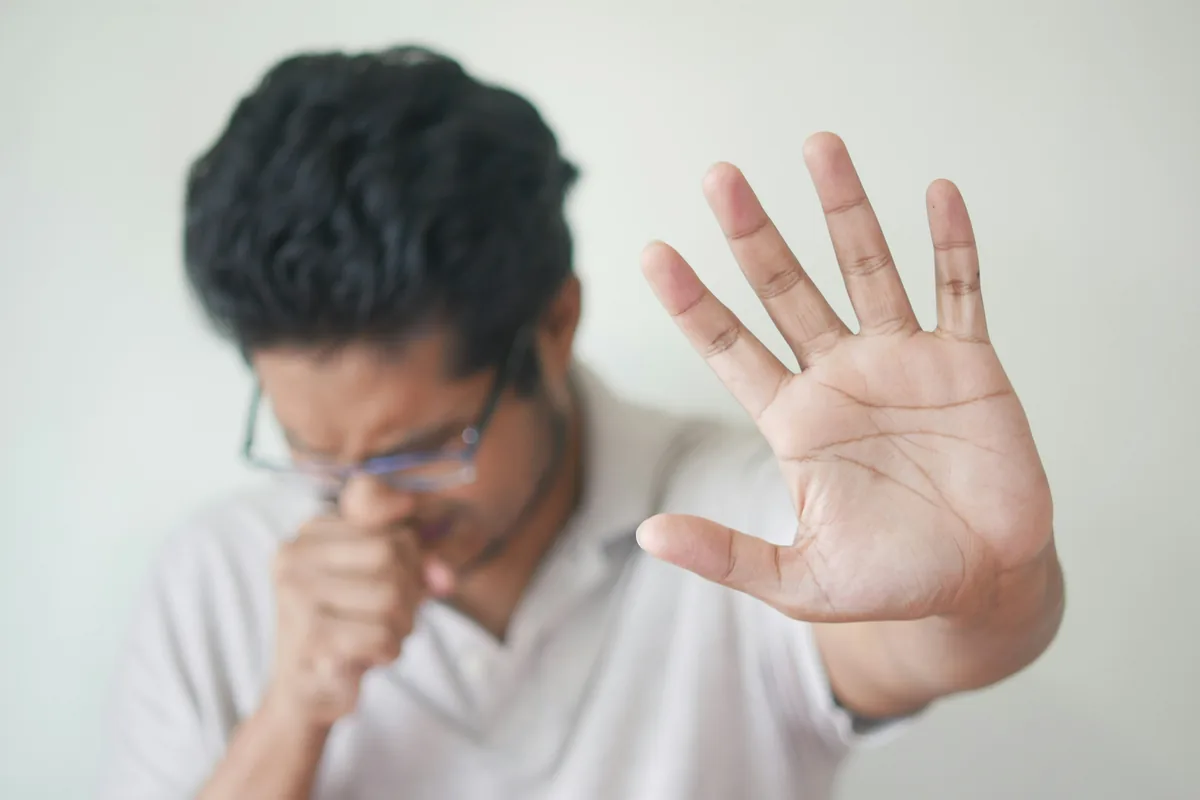
On top of 춘곤증, spring in Korea brings yellow dust — hwangsa (황사). Most of it originates from deserts in northern China and Mongolia, carried across the Yellow Sea by seasonal winds. Hwaseong sits close to that sea. On bad days, the sky takes on a genuine yellowish haze. You can see it. You close your windows and doors. You don’t go outside for a run or let the kids play in the park. The yellow dust Korea health risk is real: it carries fine particulate matter, heavy metals, and microorganisms that directly stress your respiratory system and suppress immune function.
Checking air quality in Korea is now as automatic as checking the temperature or UV index. Every weather app has it. Most Koreans look at it every morning. If you haven’t built that habit yet, build it now — it will save you a lot of unnecessary suffering during hwanjeolgi.
💡 Pro Tip:
The best apps for real-time air quality in Korea are AirVisual (IQAir) and the Korean government’s AirKorea platform. Check PM2.5 levels specifically — this is the fine particle count that matters most for respiratory health. Anything above 75μg/m³ is “bad”; above 150μg/m³ and you should genuinely stay indoors.
We bought an LG air purifier when our daughter came home from NICU specifically because of yellow dust season. If it were just the two of us, it probably would have stayed on the “nice to have” list. Having a baby concentrates the mind remarkably quickly on air quality.
The 4-Step Hwanjeolgi Immunity Survival System
This isn’t a list of supplements to buy. It’s a framework for how to think about your body across the arc of the seasonal transition — before you get sick, while you’re starting to feel it, and after you’ve been knocked down.
Step 1: Preparation — Build the Initial Defense Wall

The single most insidious thing about Korean spring is the daily temperature gap. Warm enough at 2pm to sit outside in a light jacket. Cold enough by 9pm to cut right through you. That swing — often 10°C or more — forces your autonomic nervous system to work overtime, and it is exhausting in ways you don’t immediately connect to the temperature.
Seasonal wellness in Korea isn’t limited to spring adaptation; summer brings its own cultural and infrastructural strategies, from traditional Boknal feasting to modern public cooling amenities, each designed to help the body transition through Korea’s challenging climate cycles.
Layer your clothing. It sounds obvious until you’re the person who left home at noon in a t-shirt because it was 22°C and is now shivering on the subway platform at 7pm. A drop of just 1°C in core body temperature has been shown to reduce immune function by up to 30%. That is not a small number.
Hydration is equally critical and equally overlooked. Korean spring air is dry — and that dryness desiccates the mucous membranes lining your respiratory tract. Those membranes are your body’s first physical barrier against airborne viruses. When they crack and dry out, the barrier fails. Drink 1.5 litres of room-temperature water daily. Not cold — room temperature. Cold water constricts the throat and does your mucosa no favors.
Step 2: Stabilization — Your Gut and Your Vitamin D
Approximately 70% of your immune cells live in and around your gut. When the season changes — and especially when your diet shifts or your stress levels rise — your gut microbiome takes a hit before the rest of your immune system does. Korean probiotics (유산균, yusangyun) are excellent and widely available at any pharmacy. Take them daily during hwanjeolgi. They’re inexpensive, evidence-backed, and the local formulations work well.
Simultaneously, your Vitamin D levels are quietly dropping. As days grow shorter and you spend less time outdoors in direct sunlight, your body’s natural synthesis slows. Vitamin D plays a direct role in activating the immune cells that detect and destroy pathogens. Pair it with Zinc, which supports mucosal immunity and the function of white blood cells. This combination is, frankly, the highest return-on-investment health decision you can make during the seasonal transition.
Step 3: Crisis Response — The Golden 24 Hours
A scratchy throat on your commute home. A sudden chill that doesn’t go away. These are not random sensations — they are your immune system sending an early alert, and the 24 hours after that alert are the most important window you have.
Rest immediately. Drink hot ginger tea. Prioritise sleep above almost everything else — your immune system does its most active repair work during deep sleep, and cutting it short to push through a workday is exactly how a manageable early-stage cold becomes a week-long shutdown.
Step 4: Recovery — Rebuilding After the Antibiotics

If you end up at the ENT clinic (ibi-inhugwa / 이비인후과) and come out with a prescription for antibiotics, understand what those pills are doing: wiping out bacteria indiscriminately. The bad bacteria causing your infection, yes — but also the beneficial bacteria your gut has spent months cultivating. After a course of antibiotics, your gut microbiome is in genuine disarray, and a depleted microbiome means a depleted immune system.
Spend the following month actively rebuilding. Double down on pre- and probiotics. Eat cleanly. Don’t skip this step — it’s the difference between recovering fully and finding yourself getting sick again two weeks later.
Korea Pharmacy Cold Medicine: What to Actually Buy
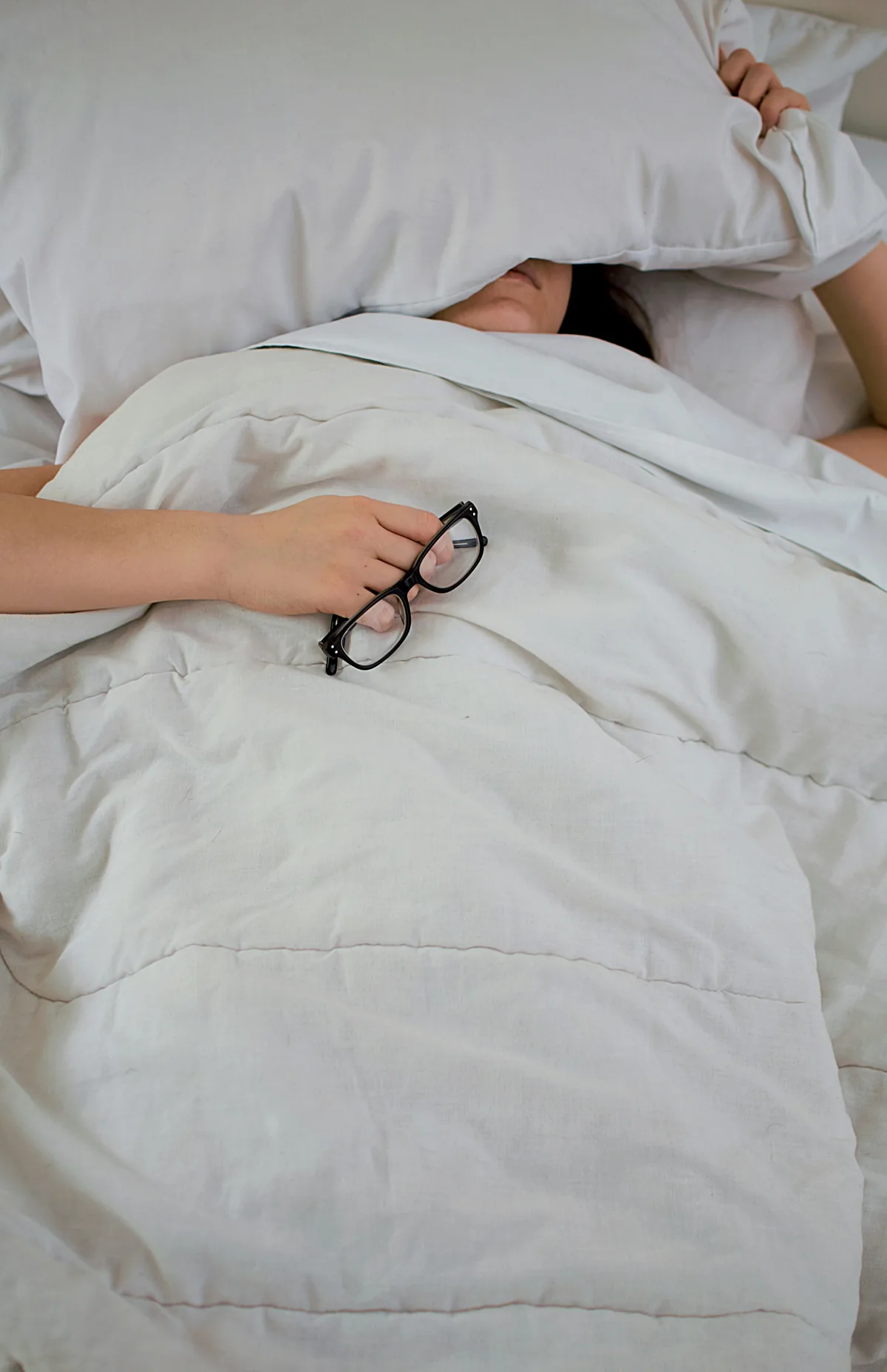
Korean pharmacies (yakguk / 약국) are excellent, accessible, and the pharmacists are genuinely helpful — even with minimal shared language. During hwanjeolgi, hospitals get extremely busy. Wait times stretch. If your symptoms are early-stage, the pharmacy is your best first stop.
For early cold symptoms, ask for 갈근탕 (Galgeuntang) — a traditional herbal formula specifically formulated for the onset of cold symptoms, particularly when accompanied by neck stiffness or chills. It’s widely stocked, inexpensive, and remarkably effective when taken at the very first sign of symptoms rather than after you’re already flat.
💡 Pro Tip:
If the language barrier makes pharmacy visits stressful, try going during weekday hours rather than evenings or weekends when it’s busiest. Better yet — make a reservation at a clinic via phone or app during a weekday break. Most clinics now have app-based booking systems. If you’re struggling with the Korean, that’s exactly what JustAskJin is for.
Seasonal Immunity Tips Korea Locals Swear By
Two zero-cost interventions that Koreans reach for instinctively during the seasonal transition that most expats have never considered:
족욕 (Jogyok) — foot soaking. Soaking your feet in hot water for 15–20 minutes before bed raises your core body temperature by approximately 1°C, which triggers the kind of deep, restorative sleep your immune system needs. It costs nothing. It has no side effects. It is incredibly effective.
찜질방 (Jjimjilbang) — the Korean bathhouse. The combination of heat rooms, cold pools, and rest in a jjimjilbang promotes deep thermoregulation, reduces cortisol, and gives your autonomic nervous system a genuine break. Think of it as maintenance, not a luxury.
On the other end of the spectrum: Korea has a well-established trend of IV vitamin drips (수액, suaek) at clinics when you’re exhausted — 100,000 KRW for a bag of vitamins delivered directly into your bloodstream. It feels efficient. It feels medical. It is also largely a band-aid if your fundamentals — sleep, hydration, diet — are broken. The drip won’t fix what poor habits created. Don’t skip the basics and rely on expensive shortcuts.
The Air Conditioner Warning Nobody Gives You
One last thing, and this one has nothing to do with immunity supplements: clean your air conditioner before summer arrives. If you’re renting — especially in a cheaper officetel — check whether it was cleaned before you moved in. Many landlords skip this entirely. A dirty air conditioner recirculates dust, mold spores, and bacteria directly into the air you breathe, every time it runs. Ask your landlord to clean it. It is their responsibility before letting a property. Do it now, before the heat hits and you actually need it.
Navigating Korea Is Easier When You’re Not Doing It Alone
From booking clinic appointments in Korean to figuring out which pharmacy to visit and what to ask for — settling into life here has a learning curve. JustAskJin offers concierge support for expats in Korea: hospital check-ups, document prep, food delivery, airport help, and more.
Get Support from JustAskJinBeyond hwanjeolgi fatigue, spring allergies often coincide with this seasonal shift—expats experiencing sneezing, congestion, and insomnia should review treatment options for allergic rhinitis in Korea to distinguish between seasonal fatigue and allergic symptoms.