When my foreign wife and I settled down in Hwaseong, we realized very quickly that relying purely on buses and the occasional taxi wasn’t going to cut it. We needed the freedom of a car. Today, she confidently drives my car to the hospital for pediatrician appointments or to the local mart for small shopping runs because she actually passed the rigorous Korean road test. You can read all about her specificjourney in Getting a Driver’s License in Korea. However, taking the full test isn’t the only way. For many expats, there is another fantastic option: exchanging your home country’s driver’s license for a Korean one. But between figuring out if your International Driving Permit (IDP) is valid, understanding the exchange rules, and navigating car rentals, the bureaucracy can feel overwhelming.
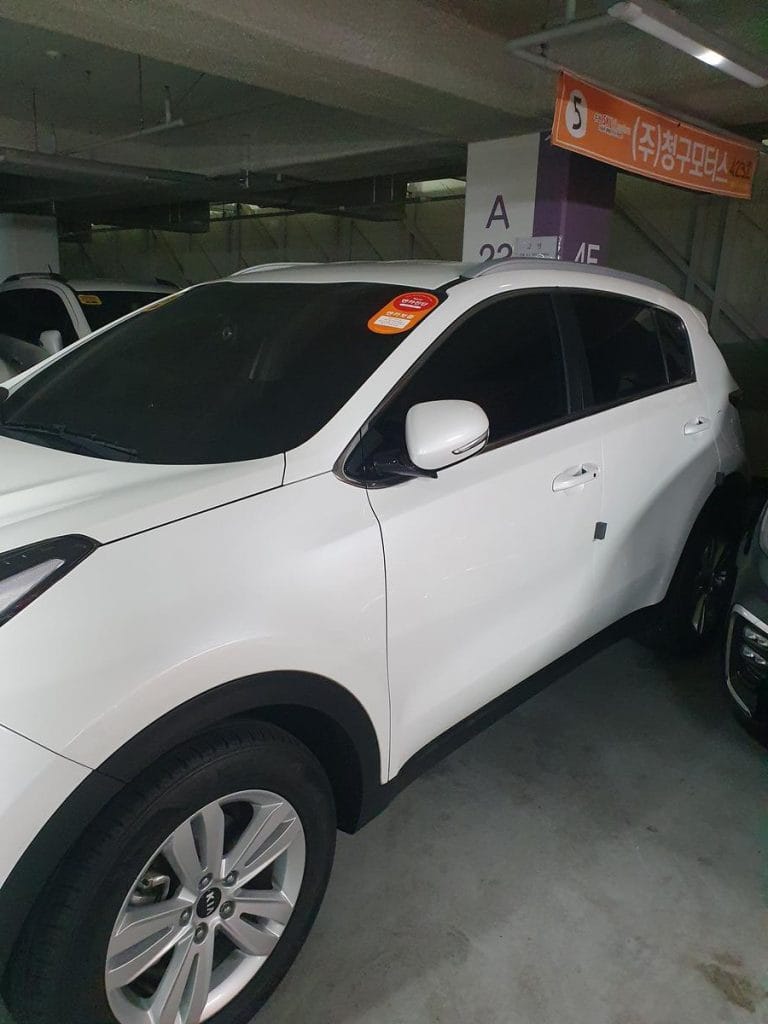
I completely understand the frustration. When I lived in Japan, I remember taking my Korean license to the local examination center to exchange it. Because the digital systems weren’t fully integrated back then, I sat on a hard plastic chair waiting all day just to get my Japanese license. Years before, when I lived in Queensland, Australia, I had to go through a similar song and dance. And I will never forget the dusty heat of the savanna, the smell of dry earth, and the feeling of absolute freedom when we were
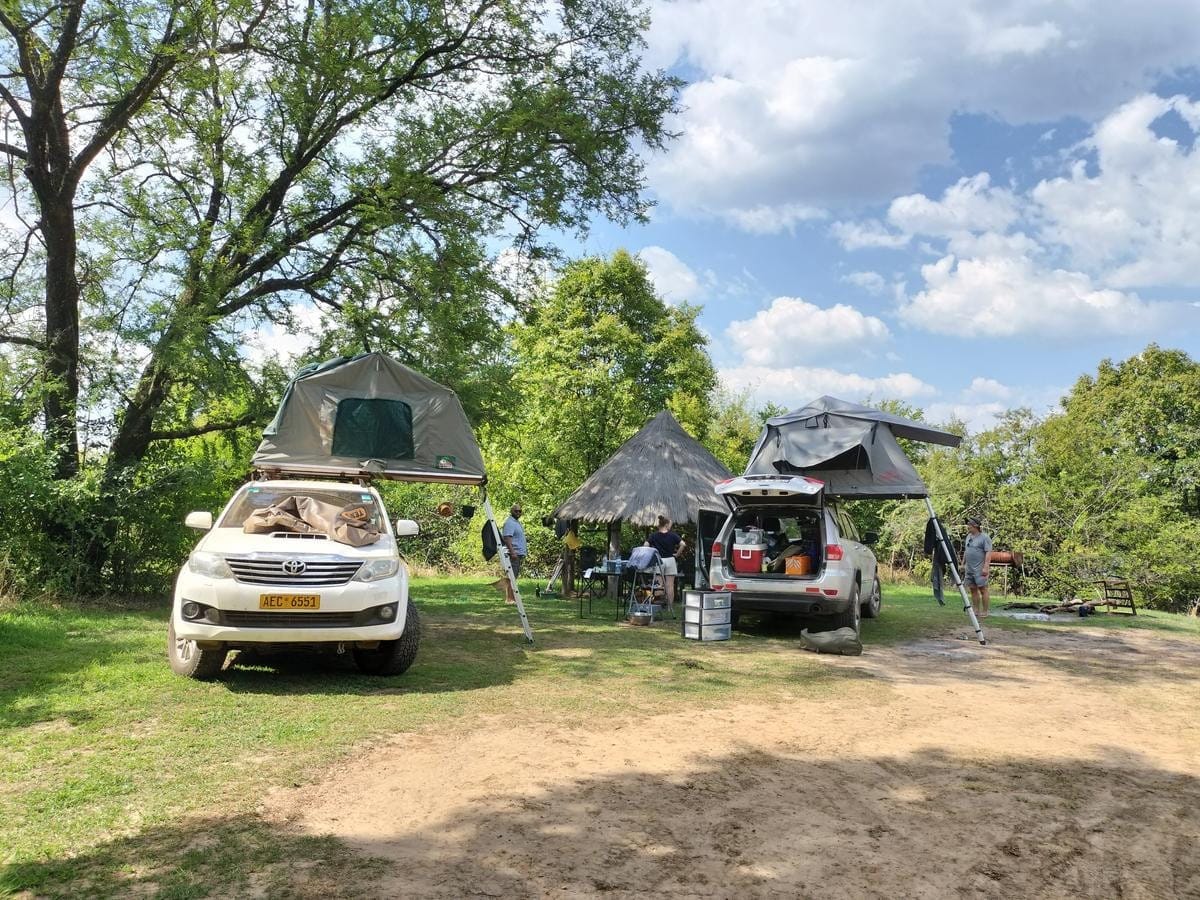
perched up high, sitting on the roof rack of a white off-road vehicle during our family camping trip in Africa. We only managed that trip because we had our IDP paperwork perfectly in order.
💡 Core Summary of this Post
- Short-term visitors: Can drive using an IDP (Geneva Convention only) for up to 1 year from the date of entry.
- Must carry 3 items: IDP, original home country license, and your physical passport. Missing even one means you are driving illegally.
- Long-term residents: Must exchange their home country license for a Korean one, or take the written/practical test if their country is unacknowledged.
- Car Sharing: Socar and Greencar are great options for expats, but require specific registration steps and an international credit card.
Short-Term Visitors: The 1-Year IDP Rule
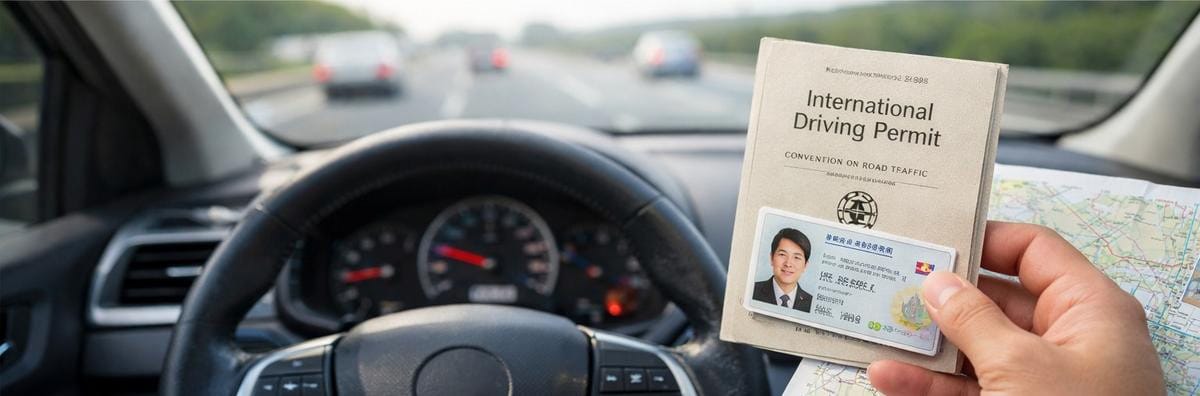
If you have just arrived in Korea or are visiting for a short holiday, you can generally use an International Driving Permit. However, Korea is very strict about which permits it accepts. You must hold an IDP issued by a country that is part of the Geneva Convention of 1949 (which includes about 104 countries like the USA, Japan, Australia, and New Zealand).
If your IDP is from a Vienna Convention country, or if you hold a Chinese mainland license, you cannot drive in Korea using an IDP. If you are ever pulled over for a routine check, handing the officer just the paper IDP booklet will get you in massive trouble. You must simultaneously present your IDP, your original home country driver’s license, and your physical passport. If the English spelling on your IDP differs from your passport by even a single letter or space, it is invalid.
There is also a major trap: the validity period. Even if your IDP booklet says it is valid for 3 years, under Korean law, it is only legally recognized for 1 year from your exact date of entry into South Korea. After 365 days, it is useless.
Long-Term Residents: Time to Exchange Your License
If you hold an Alien Registration Card (ARC) and plan to live here long-term, you cannot rely on your IDP forever. After one year, you are legally required to switch to a Korean license. The good news is that South Korea has reciprocal agreements with 139 countries. If your license is from an “Acknowledged Country” (like the UK, France, Japan, Taiwan, or certain US states), you can simply exchange it without taking a driving test. I remember accompanying an expat friend recently; seeing the vibrant pink hue of his ID as I looked closely at ahand holding a pink United Kingdom driving licence plastic card, knowing he wouldn’t have to suffer through the road test.
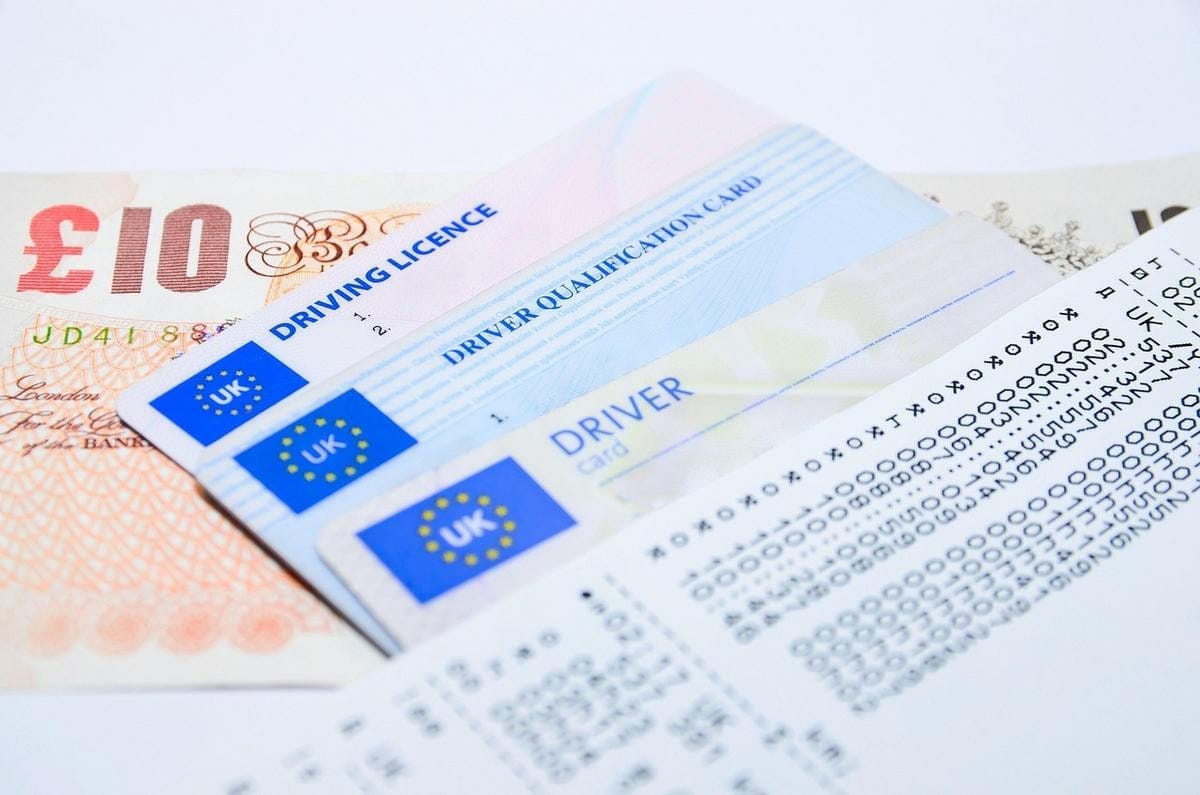
If your country is “Unacknowledged” (like Vietnam, mainland China, or non-reciprocal US states), do not panic. You can still get a license, but you will have to pass a 40-question multiple-choice written test. Thankfully, this test is offered in English, Chinese, and Vietnamese. For those who end up needing to do the full practical test, you can read about my wife’s journey in Passing the Korean Driving Test.
Step-by-Step: How to Exchange Your Foreign License
The exchange process is quite fast—often completed on the same day—but you must visit a designated Driver’s License Examination Center in person. You cannot do this via proxy.
You need to gather a mountain of paperwork. I distinctly recall the feeling of sitting in the sterile, brightly lit office, feeling the smooth edge of my ARC as I watched a
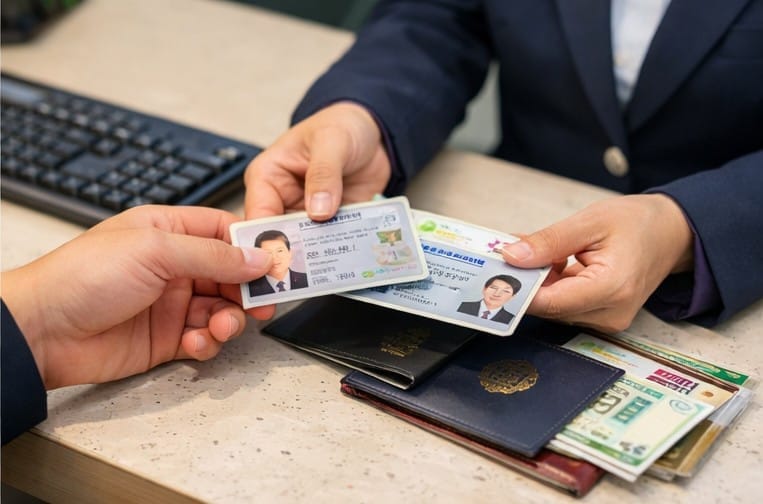
hand passing a plastic identification card and a folded document across a wooden table to the clerk behind the glass. You will need:
- Original Foreign License: Copies are strictly forbidden.
- Embassy Certificate or Apostille: Proving the license is authentic.
- Translation Notarization: If your license is not in English or Korean.
- Passport & ARC: To prove your identity and long-term residency status.
- Certificate of Entry and Exit: Proving you were in your home country when the license was issued.
- Three Color Photos: Standard passport size, taken within the last 6 months.
Once your documents are approved, you will undergo a basic vision and hearing test (costing around 6,000 to 7,000 KRW). Finally, you will hand over your original foreign license. Yes, they keep it! The authority holds onto it, and you can only get it back when you present a plane ticket proving you are leaving the country. For official guidelines, always check the Korea Road Traffic Authority (KoROAD) website.
Renting a Car at Incheon Airport: What to Expect
If you are arriving for a holiday or waiting for your Soft Landing Korea services to kick in, renting a car directly at the airport is a fantastic option. Major airports like Incheon, Gimpo, and Jeju have dedicated rental desks on the first floor.
The transaction is usually smooth. After finalizing the paperwork and confirming my insurance coverage, I remember standing at the counter, the fluorescent lights glinting off the close-up of one person’s hand passing a black car key fob to another person’s hand.

To secure a rental, you will absolutely need a valid IDP, your home country license, your passport, and an international credit card (Visa, MasterCard, Amex) in the driver’s name. Debit cards are rarely accepted for the security deposit.
Crucial Airport Rental Tips:
- Book at least two weeks in advance during summer or end-of-year holidays.
- Always choose full CDW (Collision Damage Waiver) insurance. Korean roads can be hectic, and the peace of mind is worth the extra daily fee.
- Take photos and videos of the car’s exterior and interior before you drive away. Document every single scratch.
Car Sharing for Expats: Socar vs. Greencar
If you only need a car for a few hours to grab groceries at a big mart or visit a nearby cafe, traditional rental companies are too expensive. This is where car-sharing apps shine. The two biggest players in Korea are Socar and Greencar.
Historically, foreigners had a terrible time registering for these apps, but things are improving.

Actually, Socar has recently partnered with global OTAs (like Klook and KKday) to allow foreigners with an IDP to book vehicles, starting with Jeju Island and expanding to Seoul and Incheon.
Socar: Boasts around 20,000 vehicles nationwide. It is slightly more expensive but has a massive variety of cars, from compacts to SUVs. Registration for expats with a Korean license and ARC is instant.
Greencar: Has around 10,000 vehicles and focuses heavily on eco-friendly hybrids and EVs. Registration approval for foreigners using an IDP/Passport can take 1 to 2 days, so do not leave it to the last minute.
Essential Driving Tips for Korean Roads
Driving in Korea requires sharp reflexes. The infrastructure is incredible, but the driving culture can be aggressive. First, you will need a reliable navigation app. Google Maps does not provide driving directions in Korea due to national security laws. Sitting in the driver’s seat, I always have my setup ready: a hand holding a smartphone displaying a digital map application inside a vehicle dashboard area.
You must download Naver Map or KakaoMap and set the language to English.
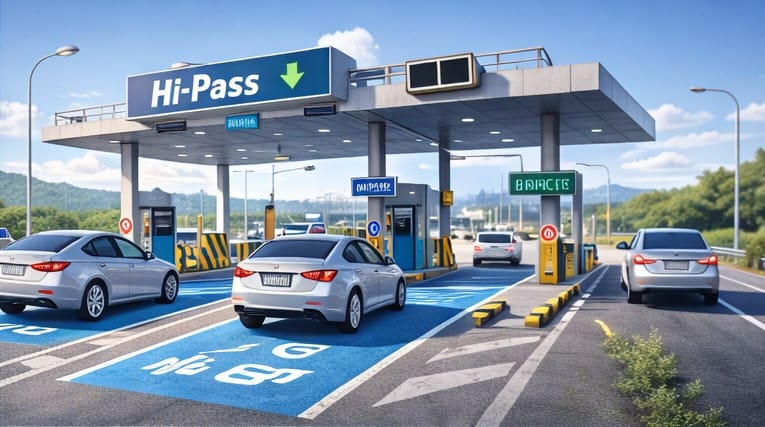
Watch out for the speed cameras—they are absolutely everywhere, especially in school zones (strictly 30 km/h). Also, be aware of the blue lanes on the highways; these are exclusive bus lanes, and entering them illegally will result in a hefty fine. If you plan to use the highways frequently, save yourself a headache and read my guide on the South Korea Hi-Pass Card so you can breeze through the toll gates automatically.
Final Thoughts: The Freedom of the Open Road
There is nothing quite like the feeling of gripping the steering wheel, knowing you have the freedom to explore every hidden coastal cafe, mountain temple, and bustling market in Korea on your own schedule. Yes, the initial paperwork to exchange your license or validate your IDP feels like a massive chore. But the moment you cruise down the coastal highway with the windows down, it all becomes worth it.
Have you tried renting a car or exchanging your license in Korea yet? Take a deep breath, gather your documents, and take that first step toward open-road freedom. If you have any questions about the process, drop a comment below—I’d love to help you get behind the wheel safely!
Once you’re legally on Korean roads, one of the most important things to understand is how school zone rules and the MinSik Law affect your daily driving — the penalties are far stricter than most expats expect.
If you are looking for a complete overview of navigating the roads here, check out my Complete Guide to Driving in Korea for Expats.
Arriving in Korea soon?
Don’t navigate your first day alone
I meet you at Incheon or Gimpo airport and guide you through everything — SIM card, T-money, transport, and getting to your accommodation. Personal support from $180.
Book arrival support →